Head Spa for Dry and Itchy Scalp
Head Spa for Dry and Itchy Scalp
A head spa for a dry and itchy scalp can provide gentle cleansing, hydration, soothing care, and relaxation. It may be helpful when scalp discomfort is related to dryness, mild buildup, or an unsuitable hair-care routine. However, a head spa is not a universal treatment for scalp conditions.
Dryness and itching can also occur with dandruff, seborrheic dermatitis, eczema, psoriasis, allergic reactions, or scalp infections. Because these conditions can look similar, persistent or severe symptoms may require professional evaluation rather than repeated spa treatments.
Can a Head Spa Help a Dry and Itchy Scalp?
Yes, a gentle head spa may help improve comfort when dryness or surface buildup contributes to itching.
A typical treatment may provide:
- Gentle scalp cleansing
- Hydration-focused care
- Removal of surface residue
- Soothing products
- Gentle scalp massage
- A relaxing treatment experience
The results depend on the underlying cause. If itching is caused by a medical scalp condition, cosmetic treatment alone may not resolve the problem.
What Causes a Dry and Itchy Scalp?
Dryness and itching can have several causes.
Dry Scalp
A dry scalp can occur when the skin loses moisture. Cold or dry weather and irritating hair-care products may contribute to dryness. Fine flakes and tightness can occur along with itching.
Dandruff
Dandruff can cause visible flakes and scalp itching. It may be associated with oily skin, hair-care habits, or seborrheic dermatitis.
Product Irritation
Shampoo, conditioner, styling products, or hair dye can irritate the scalp. An allergic reaction can also produce itching and a rash, particularly after using a new product.
Scalp Conditions
Conditions such as psoriasis, eczema, seborrheic dermatitis, and fungal infections can cause combinations of itching, scaling, inflammation, and discomfort. These conditions may require targeted medical treatment.
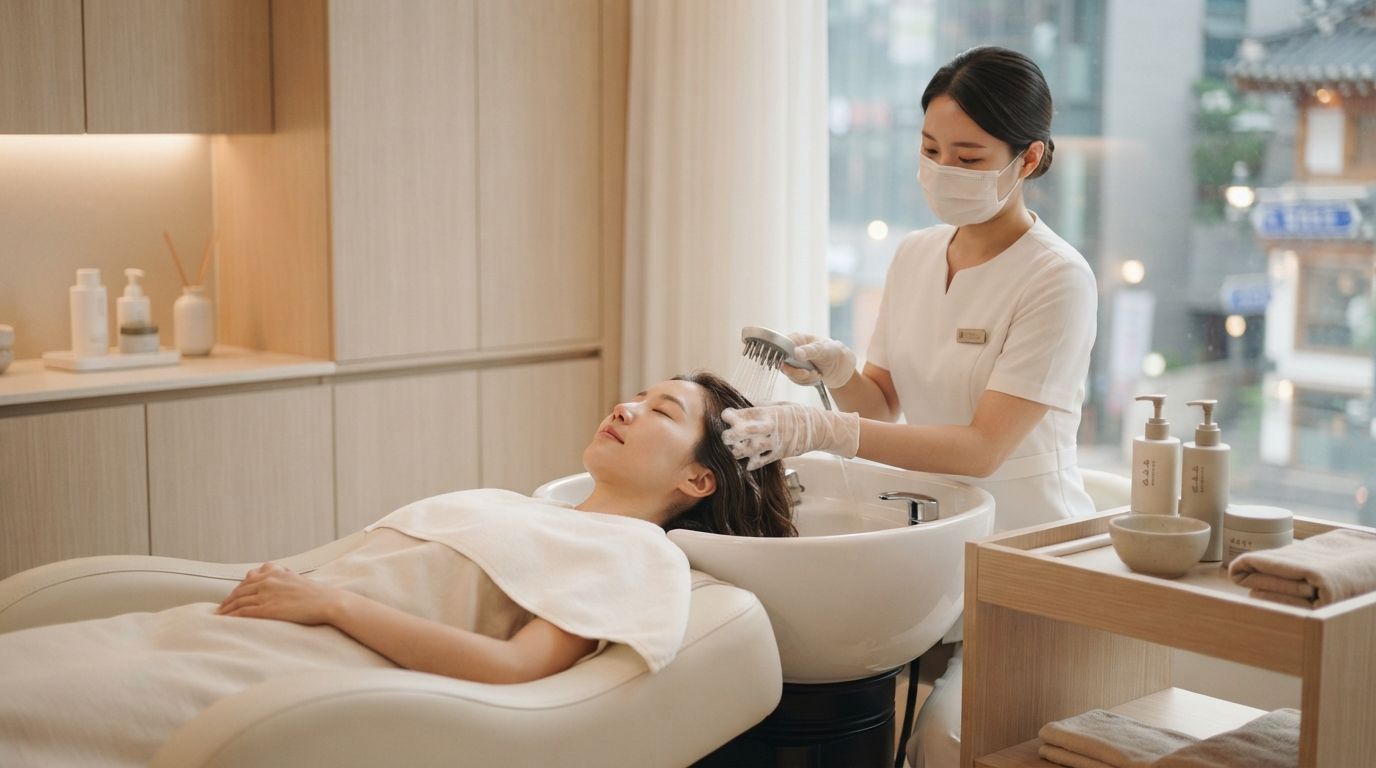
What Happens During a Head Spa for Dry and Itchy Scalp?
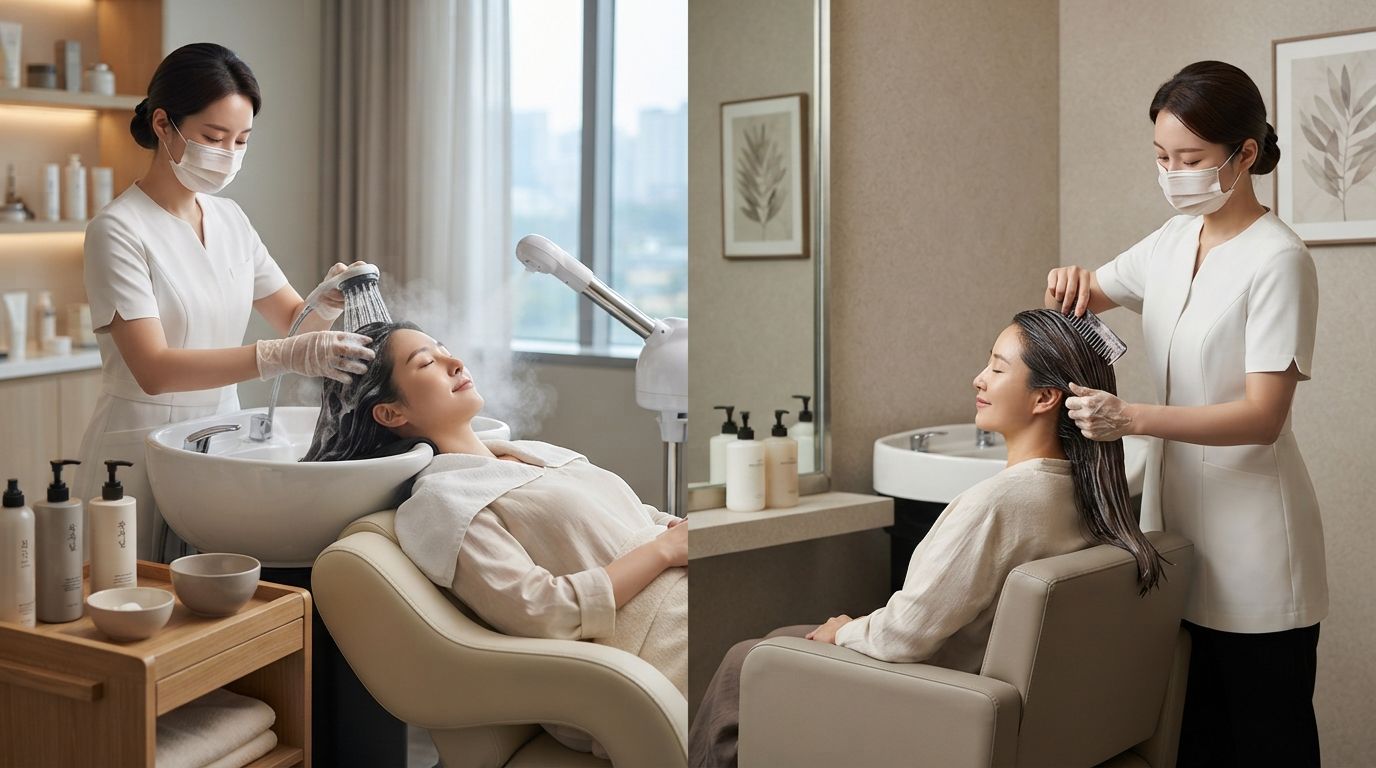
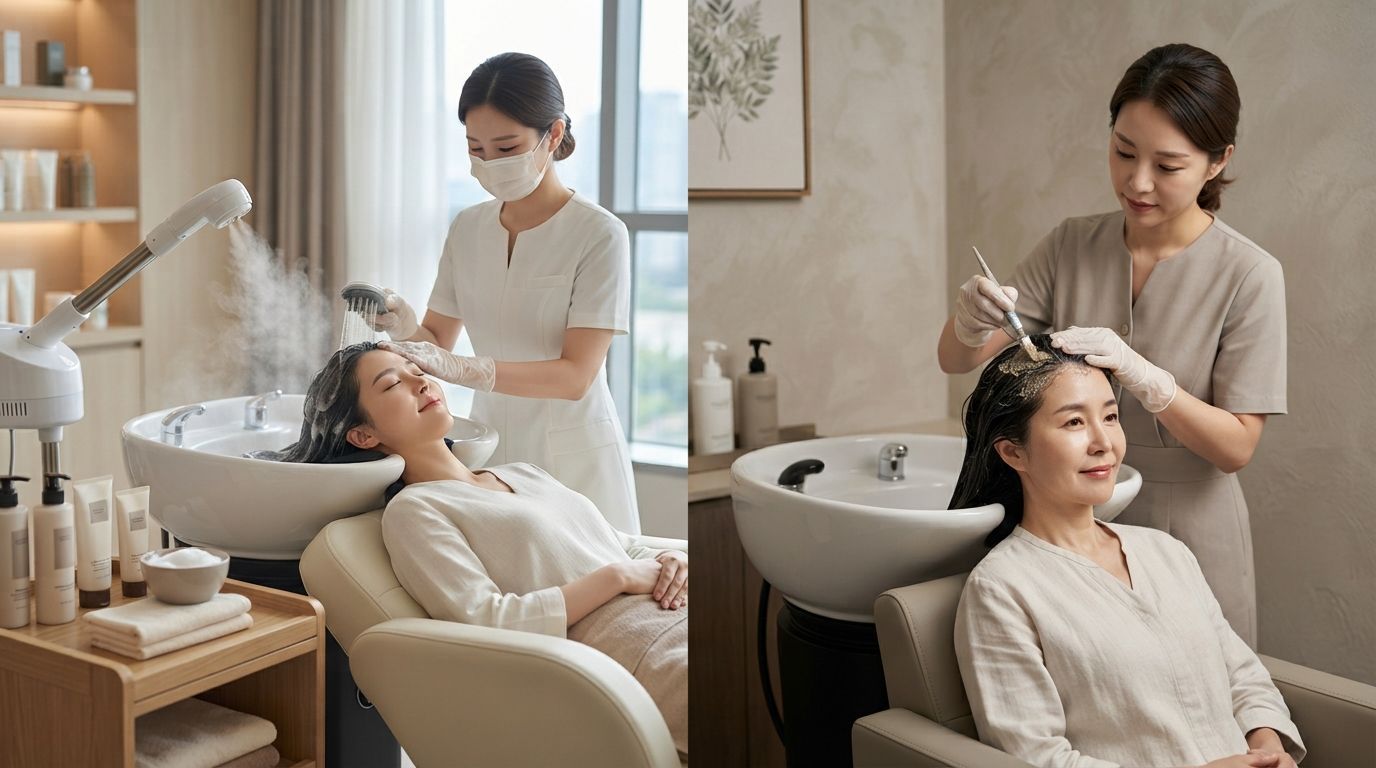
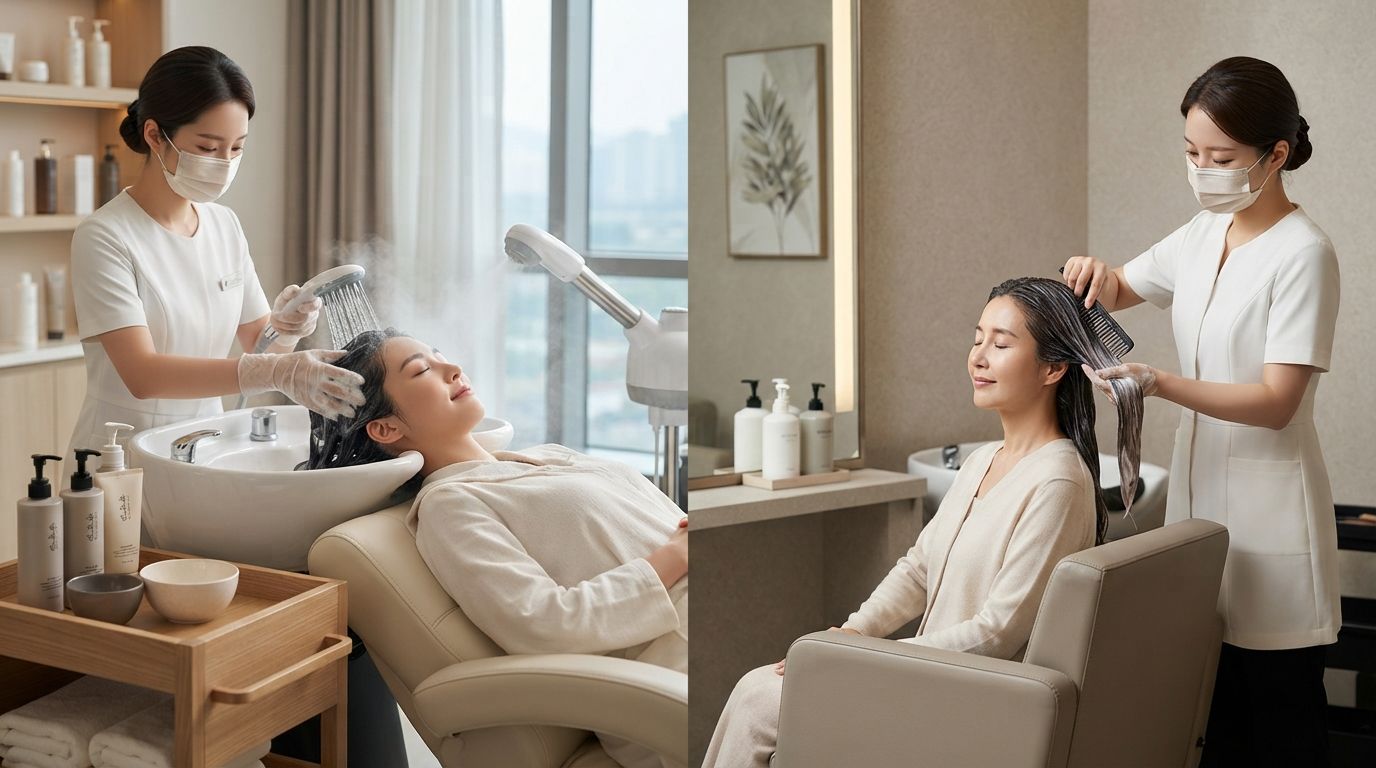
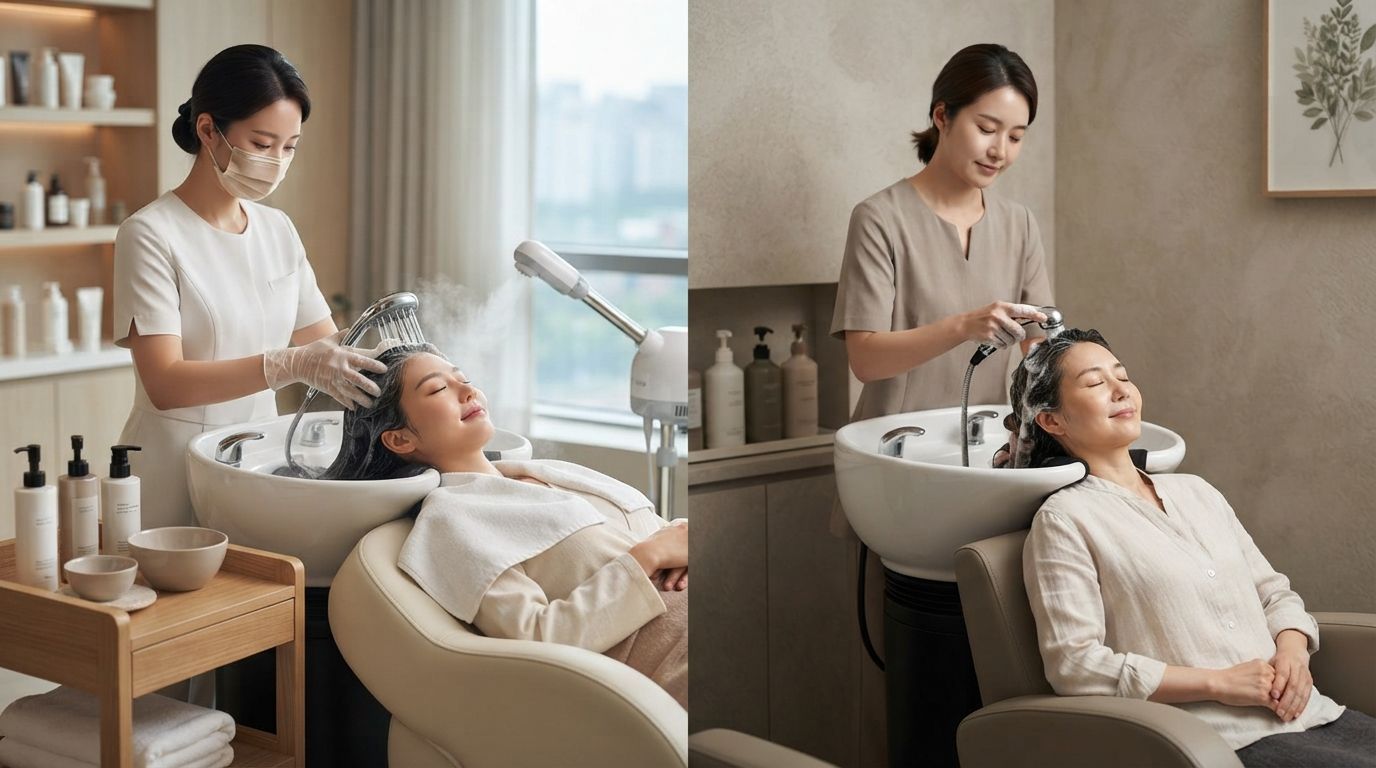
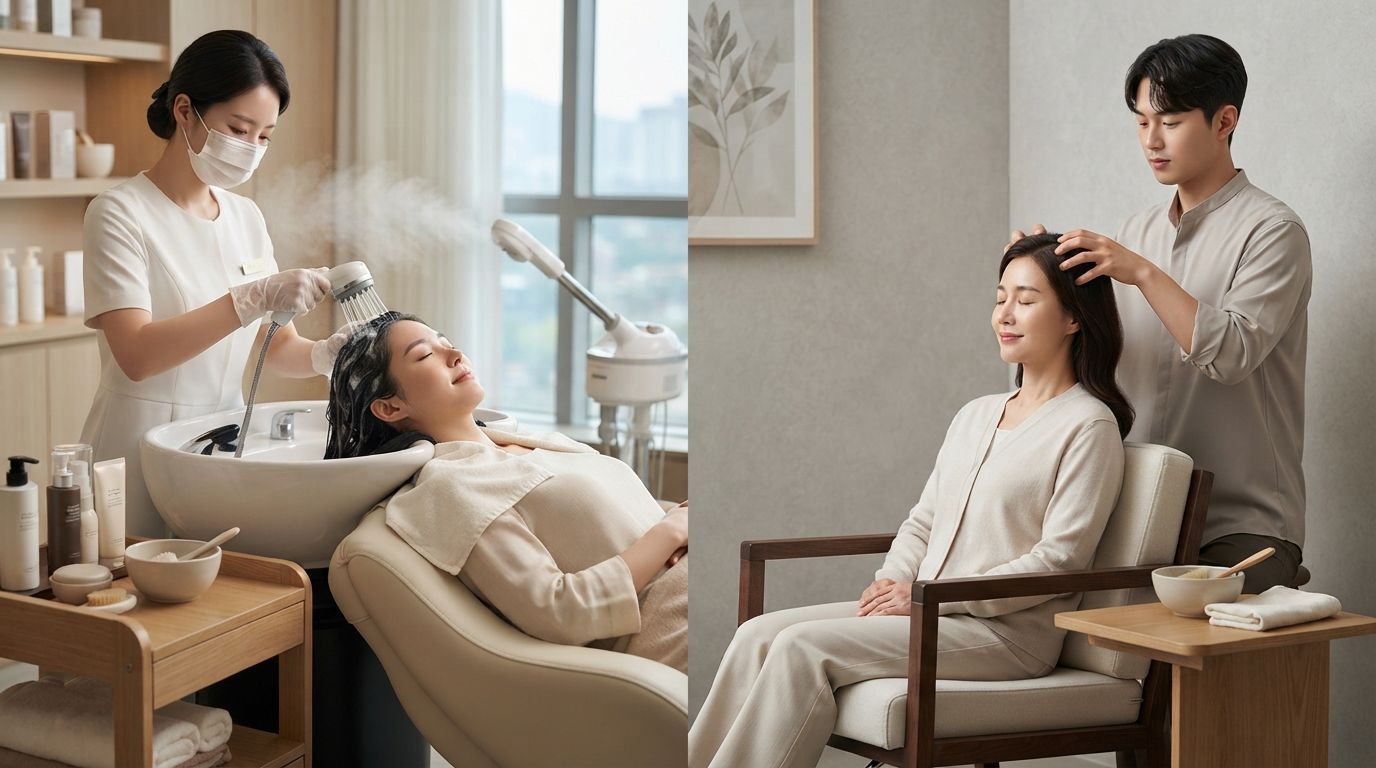
The exact procedure varies by provider, but a gentle scalp-focused session may include several stages.
Scalp Assessment
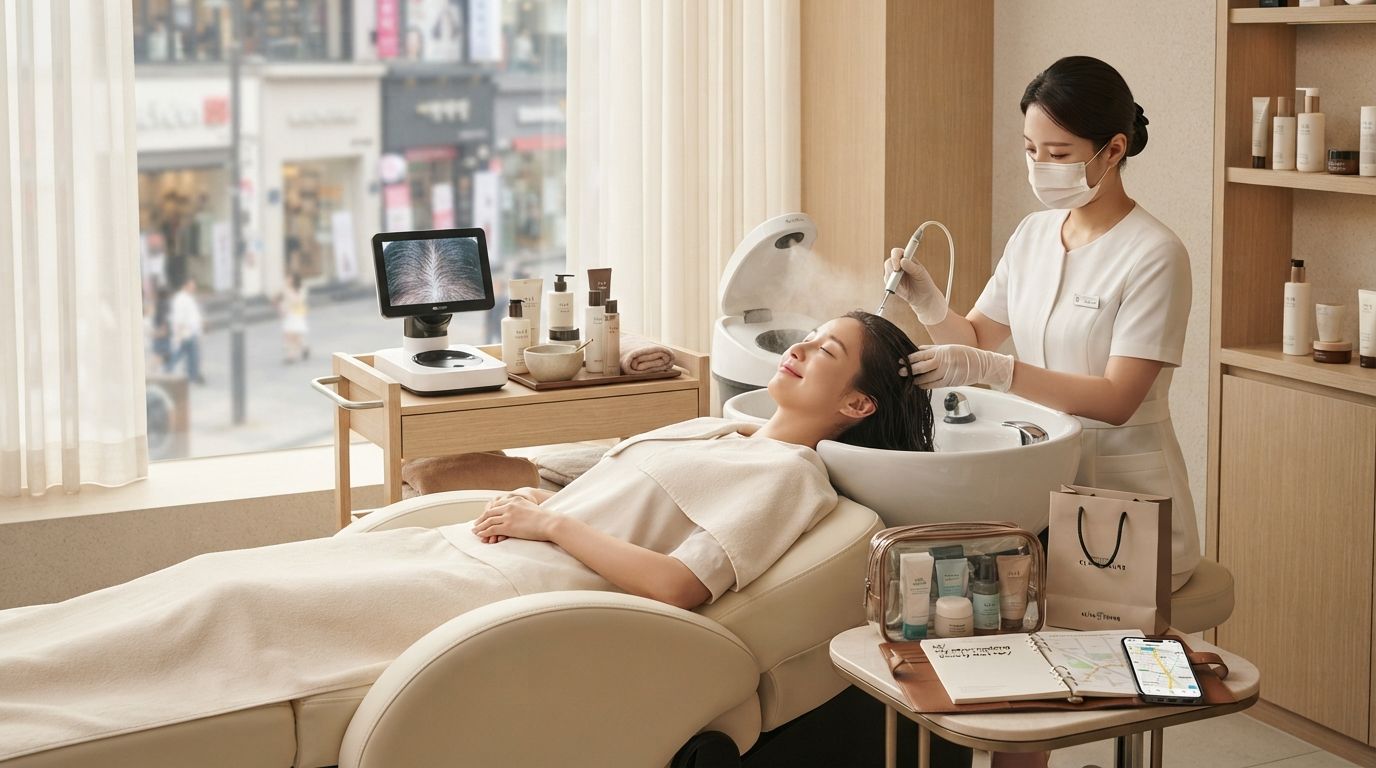
The treatment may begin with an examination of the scalp to identify visible dryness, flakes, oil, or buildup. This helps determine whether a hydration-focused or cleansing treatment is appropriate.
Gentle Cleansing
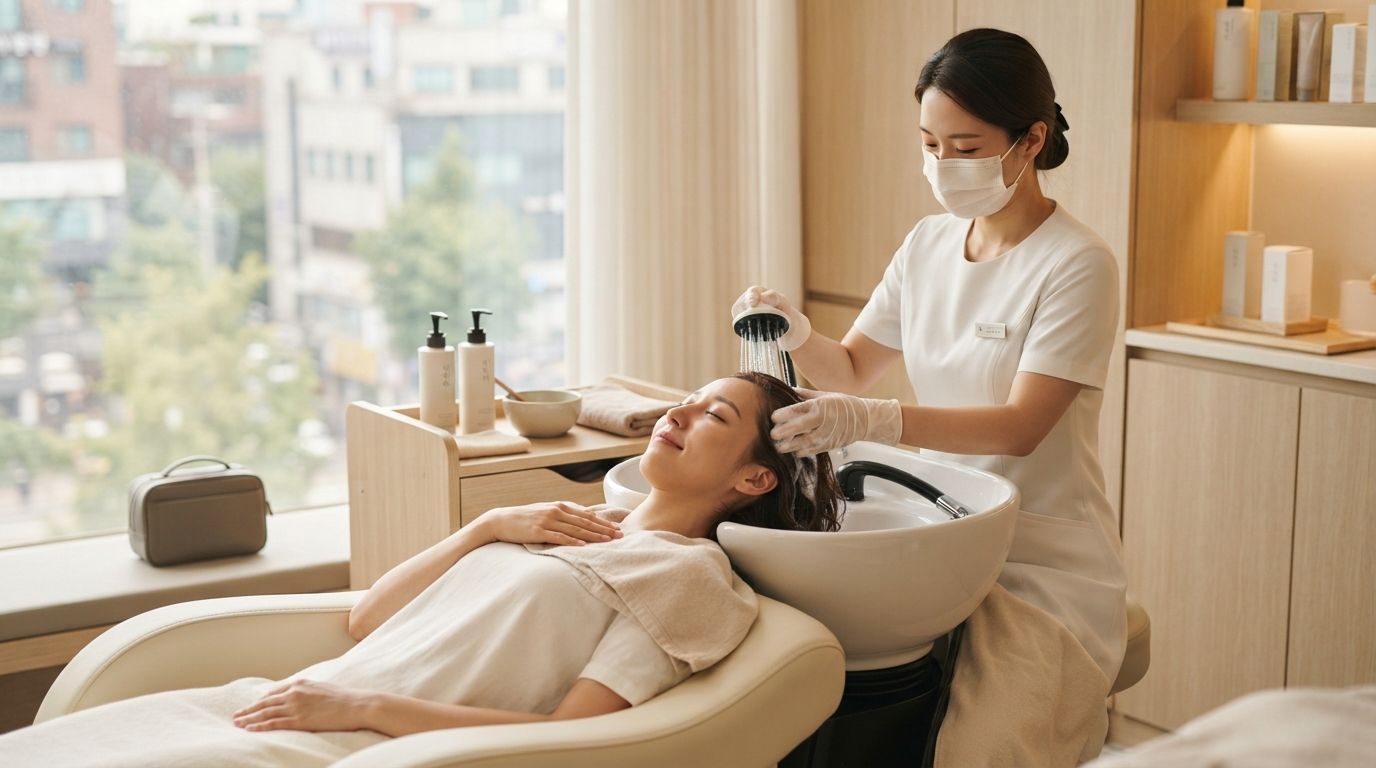
A mild cleansing step removes sweat, excess oil, and product residue. Thorough rinsing is important because leftover hair products can contribute to scalp irritation.
Hydration and Soothing Care
A moisturizing or soothing treatment may be applied to help reduce the feeling of tightness and dryness.
For a sensitive or itchy scalp, it is generally preferable to avoid unnecessarily aggressive treatment techniques.
Gentle Scalp Massage
Massage may be included as part of the head spa experience. It can be relaxing, but it should not be considered a medical treatment for an underlying scalp disorder.
Finishing Care
The session may end with scalp-conditioning products and gentle hair drying. The specific products and finishing steps depend on the treatment program.
Head Spa vs. Medical Treatment for Dry and Itchy Scalp
These approaches have different purposes.
A head spa may be appropriate when:
- The scalp feels dry or tight
- Itching is mild and occasional
- There is minor surface buildup
- The scalp is not significantly inflamed
- You want hydration and relaxation
- Symptoms appear related to your hair-care routine
Medical evaluation may be more appropriate when:
- Itching is persistent or intense
- The scalp is significantly red or inflamed
- There are thick scales or plaques
- You have sores, crusting, or oozing
- There is unexplained hair loss
- Symptoms continue despite gentle scalp care
A dermatologist can help distinguish simple dryness or dandruff from conditions such as seborrheic dermatitis, psoriasis, eczema, or fungal infection.
Should You Exfoliate a Dry and Itchy Scalp?
Not necessarily. Some head spa treatments include scalp exfoliation to remove surface buildup, but an already irritated scalp may not tolerate aggressive exfoliation well.
If your scalp feels dry, burning, painful, or highly sensitive, ask whether exfoliation can be reduced or skipped.
The goal should be comfortable cleansing rather than removing as much scalp buildup as possible.
How Long Does a Dry and Itchy Scalp Head Spa Take?
Treatment duration varies according to the program.
A shorter service may focus on cleansing and hydration, while a more comprehensive head spa may include scalp assessment, cleansing, treatment application, massage, and finishing care.
Before booking, ask:
- How long is the complete treatment?
- Is scalp analysis included?
- Is exfoliation included?
- Can exfoliation be skipped?
- What products are used?
- Is the treatment designed for sensitive scalps?
- Can massage pressure be adjusted?
How Often Should You Get a Head Spa?
There is no universal schedule for a dry or itchy scalp. Frequency depends on the scalp condition, treatment intensity, hair-care routine, and individual response.
For mild dryness, occasional professional scalp care may be enough alongside an appropriate home routine.
If itching continues between appointments, simply increasing the frequency of head spa treatments may not address the underlying cause.
Dry and Itchy Scalp Care at Home
A gentle home routine can complement professional scalp care.
Consider:
- Using a gentle shampoo suitable for your scalp
- Avoiding very hot water
- Rinsing shampoo and conditioner thoroughly
- Avoiding aggressive scratching
- Limiting excessive scalp exfoliation
- Stopping products that appear to trigger irritation
- Avoiding excessive heat from styling tools
- Following product instructions when using dandruff shampoo
If dandruff is responsible for the itching and flakes, dandruff shampoos containing appropriate active ingredients may be useful.
When Is a Head Spa Not Enough?
A head spa should not be used as a substitute for medical evaluation when symptoms suggest an underlying scalp disorder.
Consider seeing a dermatologist if you develop:
- Severe or persistent itching
- Significant redness or inflammation
- Burning or pain
- Thick or widespread scaling
- Sores or bleeding
- Crusting or oozing
- Patches of hair loss
- A persistent rash
- Symptoms that repeatedly return
For example, seborrheic dermatitis can cause an itchy, scaly scalp and may require dandruff shampoo or other treatment recommended by a dermatologist.
Head Spa for Dry and Itchy Scalp in Seoul
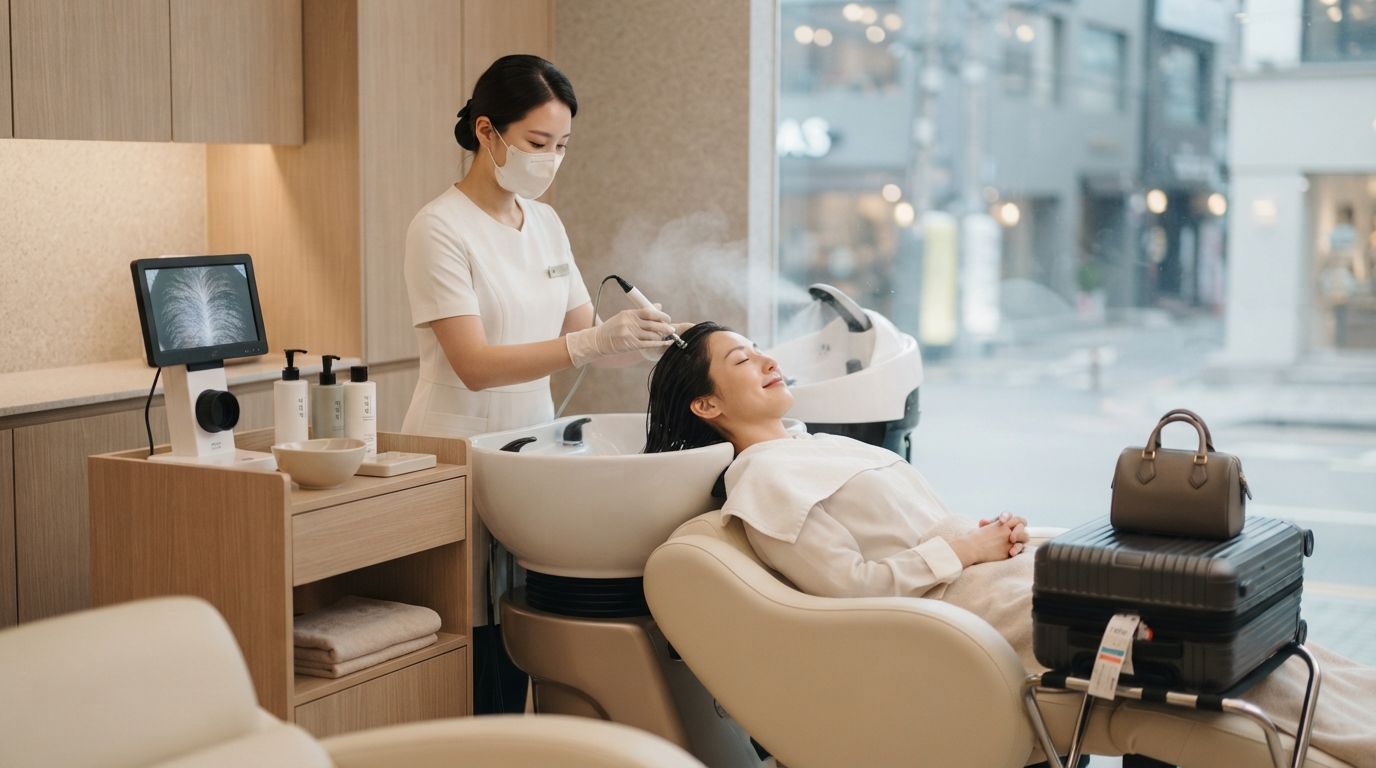
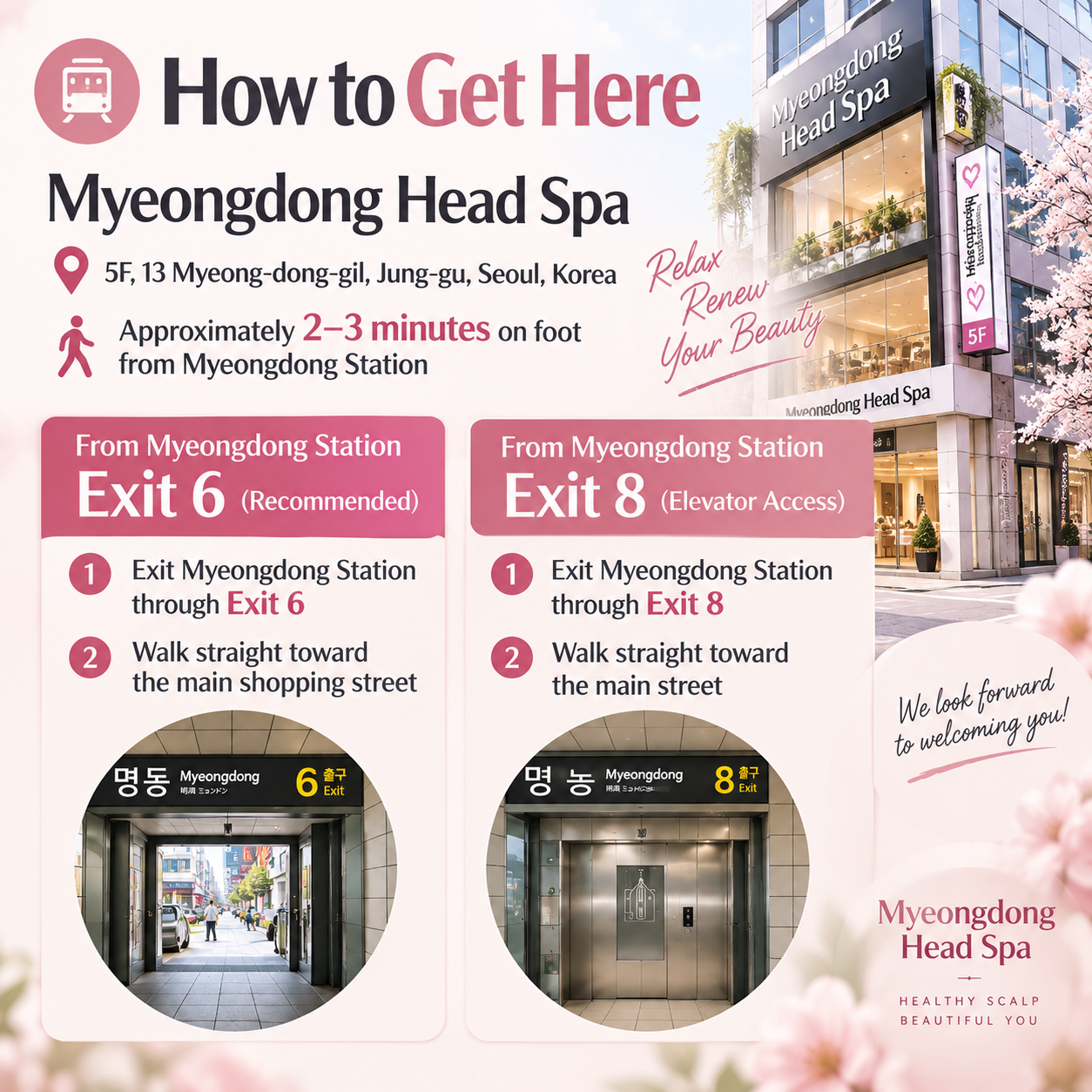
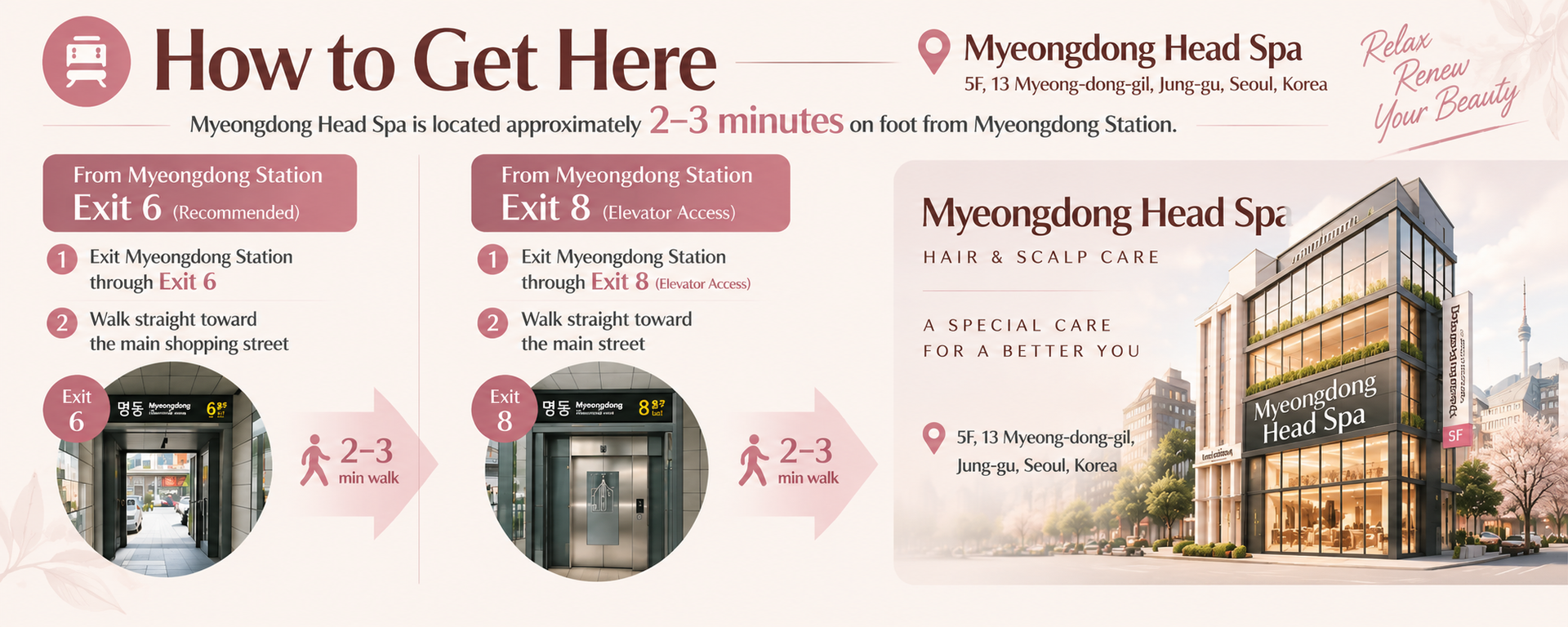
Seoul is known for its Korean head spa and scalp-care services, making it possible to find treatments focused on cleansing, hydration, relaxation, and scalp comfort.
When choosing a treatment, explain that your scalp is both dry and itchy rather than simply requesting a standard head spa. Ask whether the provider can customize the treatment and reduce strong exfoliation or stimulation if necessary.
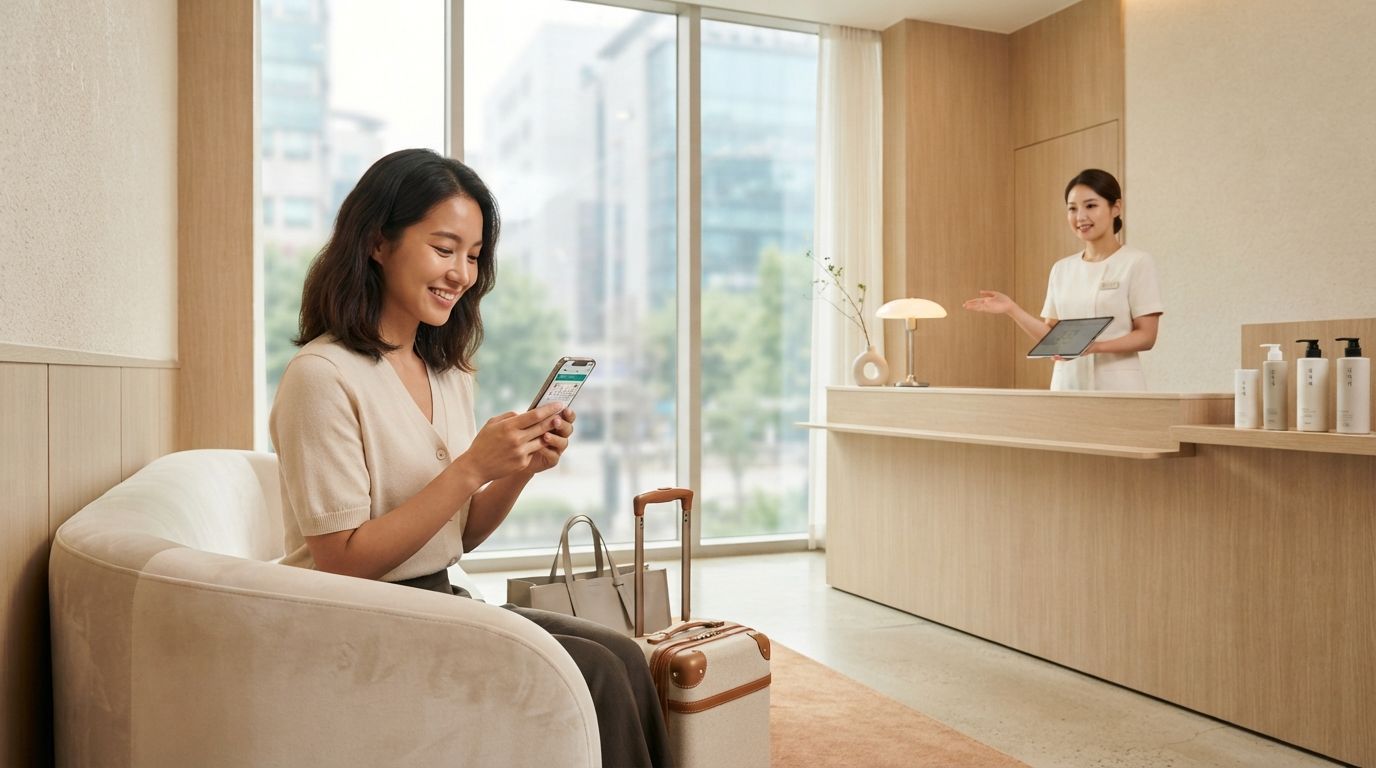
International visitors may also want to confirm:
- Whether English-language assistance is available
- What products will be used
- Whether scalp analysis is included
- How long the session takes
- Whether the treatment is suitable for sensitive skin
- What aftercare is recommended
If your scalp has significant inflammation or other warning signs, consider medical evaluation rather than relying exclusively on a spa treatment.
Benefits and Limitations
A suitable head spa may provide:
- Gentle scalp cleansing
- Improved feeling of scalp hydration
- Temporary relief from dryness-related discomfort
- Removal of surface residue
- Relaxation
- A more comfortable scalp-care routine
However, results depend on the cause of the symptoms. A head spa cannot be expected to treat every cause of scalp itching or flaking.
If the underlying problem is dandruff, seborrheic dermatitis, psoriasis, eczema, or an infection, targeted treatment may be necessary.
Conclusion
A head spa for a dry and itchy scalp can be a useful option when mild dryness, surface buildup, or an irritating hair-care routine contributes to scalp discomfort. Gentle cleansing, hydration, soothing care, and adjustable massage can make the experience more comfortable.
However, persistent or severe itching should not automatically be treated with more intensive scalp care. Redness, thick scaling, sores, inflammation, or unexplained hair loss may indicate a condition that requires professional evaluation.
The best approach is to match the treatment intensity to the condition of the scalp and choose medical care when symptoms go beyond ordinary dryness or mild irritation.
Frequently Asked Questions
Can a head spa help with a dry scalp?
Yes. A gentle head spa can provide cleansing and hydration-focused care that may improve comfort when simple dryness contributes to scalp tightness or mild flaking.
Can a head spa stop an itchy scalp?
It may temporarily improve mild itching related to dryness or buildup. Persistent itching can have other causes and may require professional assessment.
Should I get a head spa if my scalp is very sensitive?
A gentle, customized treatment may be appropriate, but aggressive exfoliation or stimulation may not be suitable for an irritated scalp. Tell the provider about your sensitivity before treatment.
Is scalp exfoliation good for dry scalp?
It can help with surface buildup in some situations, but excessive exfoliation may increase irritation. A dry or sensitive scalp generally benefits from a gentle approach.
Can dandruff cause both dryness and itching?
Yes. Dandruff commonly produces visible flakes and itching. However, dry scalp and dandruff are not identical, and persistent symptoms may need professional assessment.
When should I see a dermatologist?
Consider professional evaluation if itching is persistent or severe, or if you develop significant redness, pain, thick scaling, sores, crusting, or unexplained hair loss.