Dry Scalp vs Dandruff: How to Tell the Difference
Dry Scalp vs Dandruff: How to Tell the Difference
Dry scalp and dandruff can both cause visible flakes, itching, and scalp discomfort, but they are not the same condition. A dry scalp is usually related to a lack of moisture, while dandruff is commonly associated with excess oil, scalp irritation, and an imbalance involving naturally occurring yeast on the scalp.
The easiest way to distinguish them is to look at the type of flakes, how the scalp feels, and whether the scalp tends to be dry or oily. Understanding the difference can help you choose more appropriate scalp care and recognize when professional evaluation may be necessary.
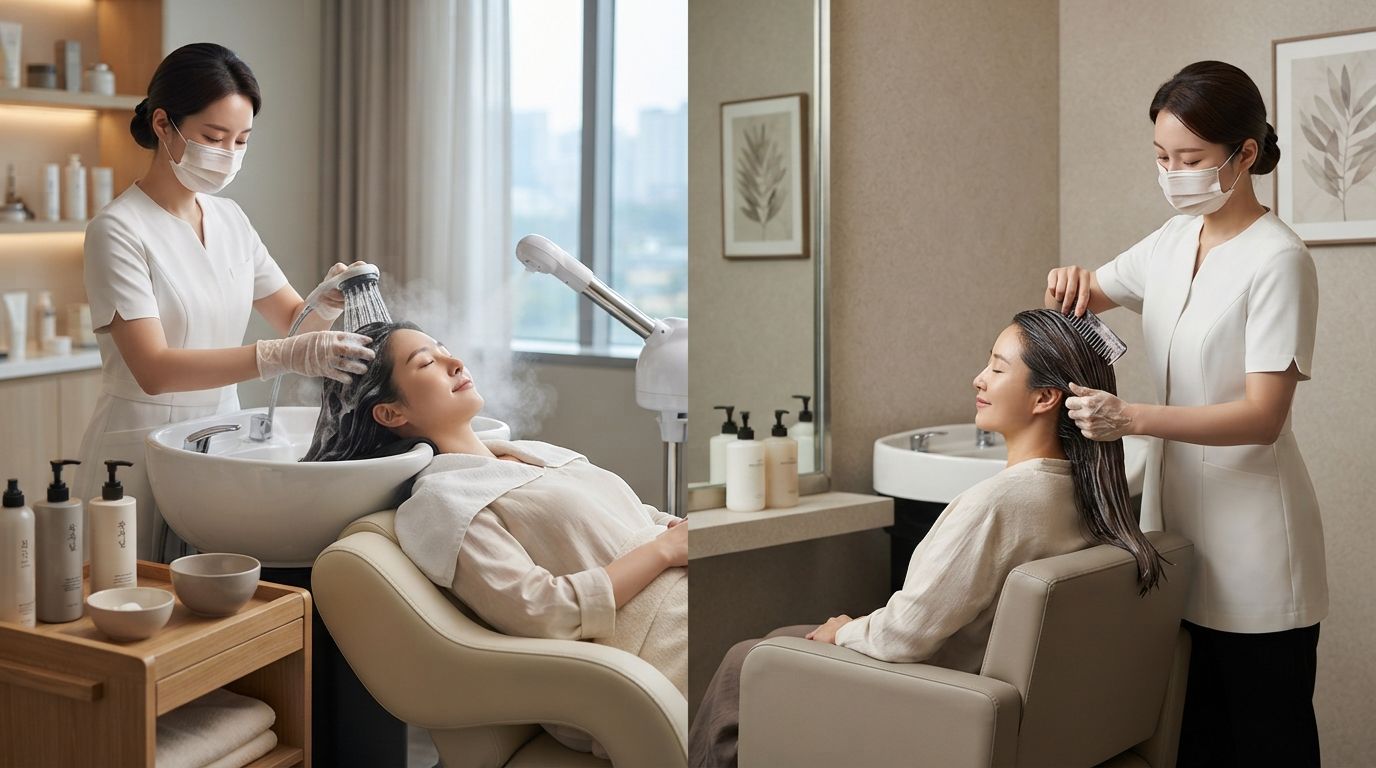
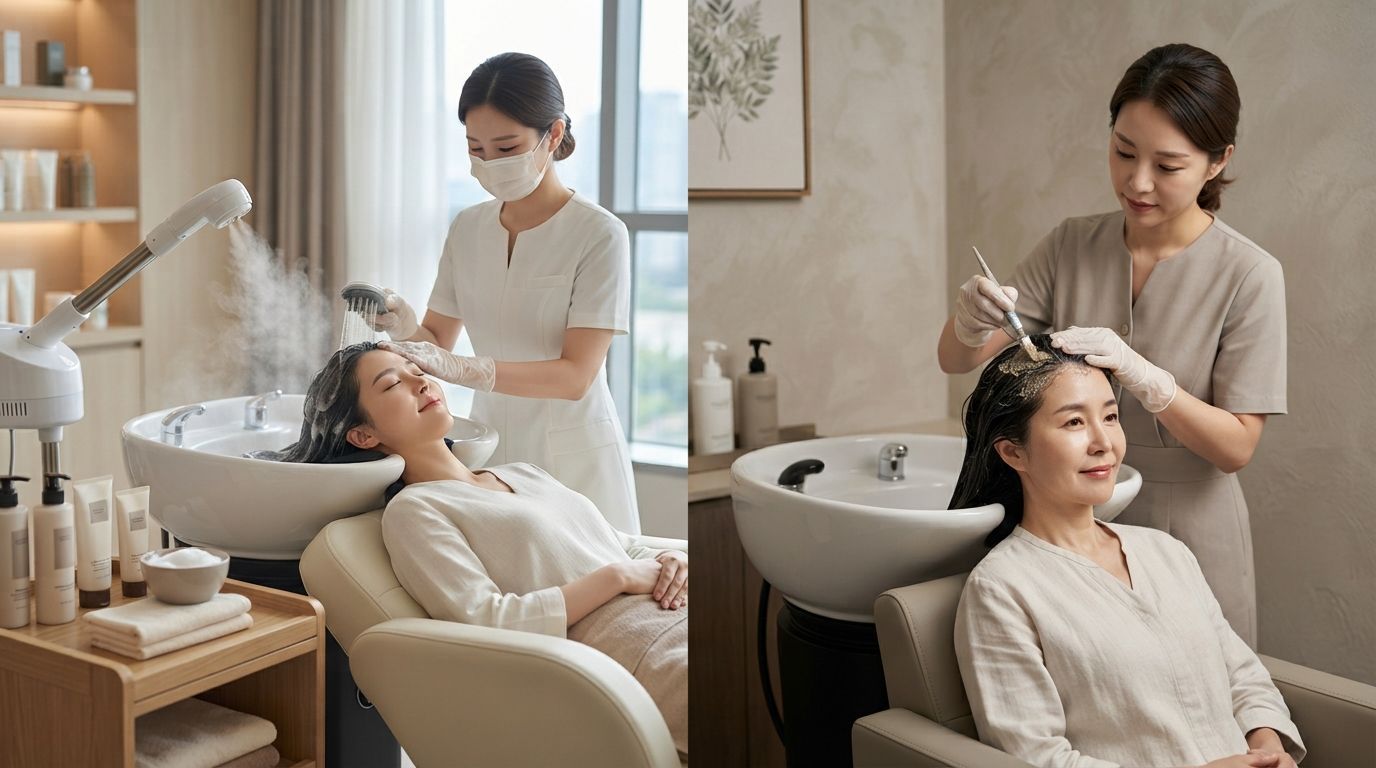
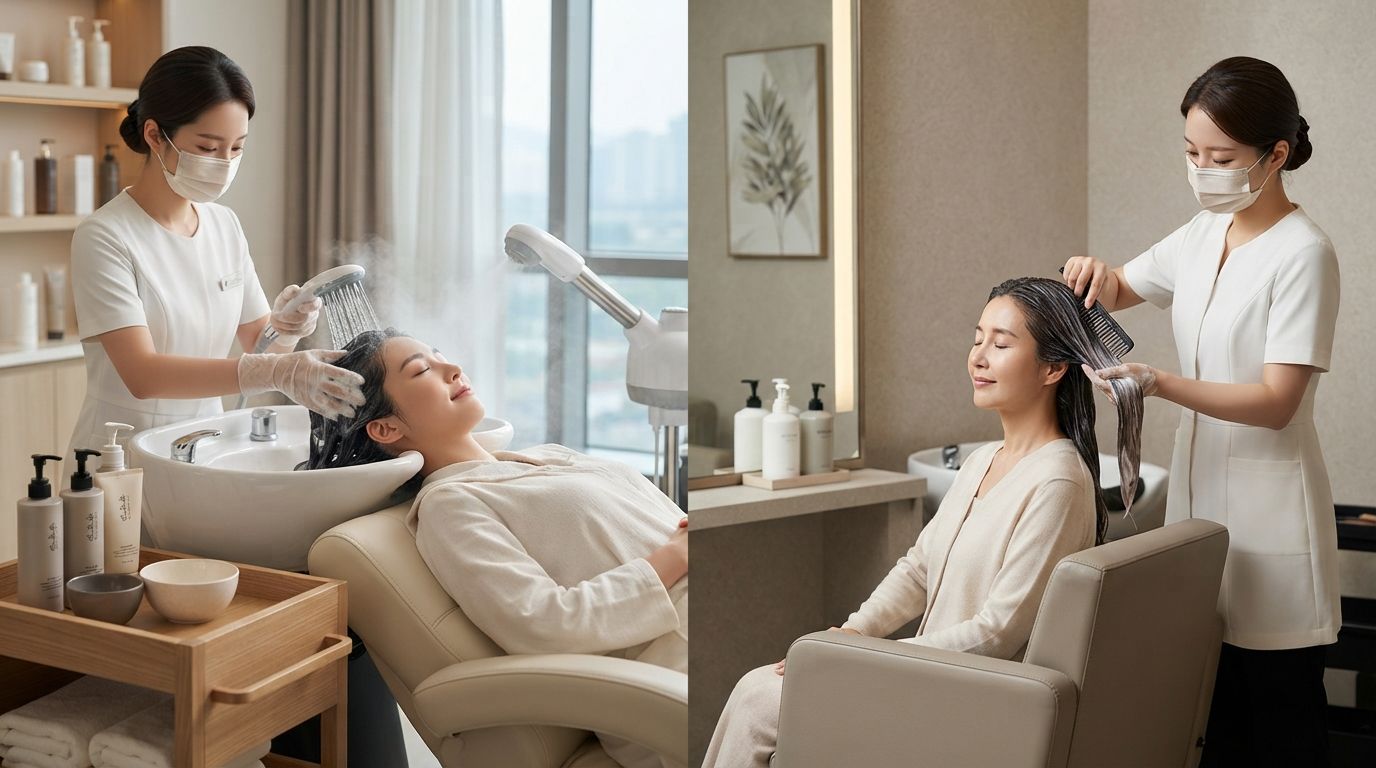
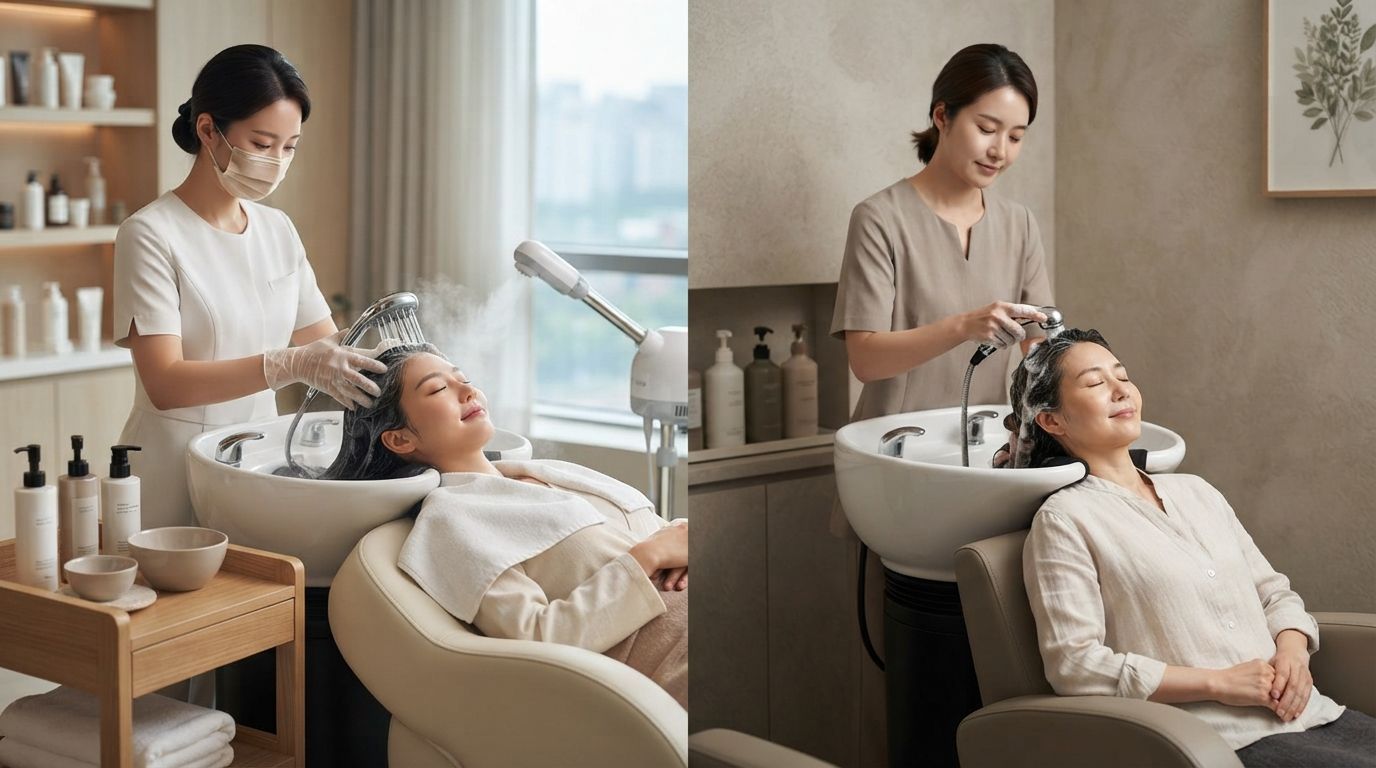
Recommended Image ALT Text: Dry scalp vs dandruff comparison showing different scalp flaking patterns
Dry Scalp vs Dandruff: What Is the Difference?
| Feature | Dry Scalp | Dandruff |
|---|---|---|
| Main issue | Insufficient moisture or loss of scalp hydration | Flaking associated with scalp oil, irritation, and microbial imbalance |
| Flakes | Usually small, fine, and white | Often larger, more noticeable, and may appear white, yellowish, or oily |
| Scalp feel | Dry, tight, rough, or uncomfortable | Often oily, irritated, or itchy |
| Oil production | May be normal or lower than usual | Often associated with an oily scalp |
| Common triggers | Cold or dry weather, hot water, harsh cleansing, or excessive washing | Oil buildup, scalp sensitivity, and conditions such as seborrheic dermatitis |
| Care approach | Gentle cleansing and improved scalp hydration | Scalp cleansing and, when appropriate, targeted anti-dandruff or medical treatment |
These differences are useful guidelines rather than a diagnosis. Several scalp conditions can produce similar symptoms, so persistent or severe flaking should be assessed by a qualified professional.
What Does a Dry Scalp Look and Feel Like?
A dry scalp occurs when the scalp does not retain enough moisture or its natural protective barrier becomes disrupted. It can become more noticeable during cold or dry weather, after frequent washing, or when the scalp is exposed to hot water or irritating hair products.
Typical signs may include:
- Small, fine white flakes
- A tight or dry feeling on the scalp
- Mild itching
- Rough or uncomfortable scalp skin
- Dryness that may also affect the hair
If the scalp feels dry rather than oily and the flakes are very fine, simple scalp dryness may be more likely. However, appearance alone cannot confirm the cause.
What Does Dandruff Look and Feel Like?
Dandruff is a common scalp condition characterized by visible flaking. It is often associated with increased scalp oil and irritation and can overlap with seborrheic dermatitis.
Common signs can include:
- Visible white or yellowish flakes
- Persistent scalp itching
- An oily or greasy scalp
- Scalp irritation or redness
- Flakes that become more noticeable on dark clothing
Dandruff may become more noticeable when scalp oil production increases or when the scalp becomes irritated. More significant redness, inflammation, thick scaling, or symptoms involving other areas of the skin may indicate a condition that requires medical assessment.
Why Do Dry Scalp and Dandruff Get Confused?
The main reason is that both can produce flakes and itching. A person may see flakes on their hair or clothing and assume they have dandruff, even when the underlying problem is simply scalp dryness.
Another reason is that scalp conditions can overlap. Someone can have a dry-feeling scalp while also experiencing irritation or flaking related to another scalp condition.
For this reason, it is better to consider several symptoms together rather than relying only on the appearance of flakes.
How to Tell If Your Scalp Is Dry or You Have Dandruff
1. Check the Type of Flakes
Fine, powder-like white flakes are more commonly associated with dryness. Larger or somewhat greasy flakes can be more consistent with dandruff or an oily scalp condition.
2. Check Whether Your Scalp Is Oily
If your roots become greasy quickly and you also experience persistent flaking, dandruff may be more likely. A scalp that feels tight and dry, particularly after washing, may point more toward dryness.
3. Look for Redness or Irritation
Mild dryness may cause discomfort without significant inflammation. Noticeable redness, persistent itching, greasy scaling, or irritation may indicate dandruff or another inflammatory scalp condition.
4. Consider Recent Changes
Think about whether your symptoms started after changing shampoo, washing more frequently, using very hot water, spending time in dry weather, or applying new styling products. Environmental and product-related changes can contribute to scalp dryness or irritation.
How Is Dry Scalp Usually Managed?
When dryness is the main issue, the goal is generally to reduce irritation and support the scalp's moisture barrier.
- Use a gentle cleanser appropriate for your scalp.
- Avoid excessively hot water.
- Avoid unnecessary over-washing.
- Limit products that cause burning, stinging, or irritation.
- Use appropriate moisturizing or soothing scalp-care products when suitable.
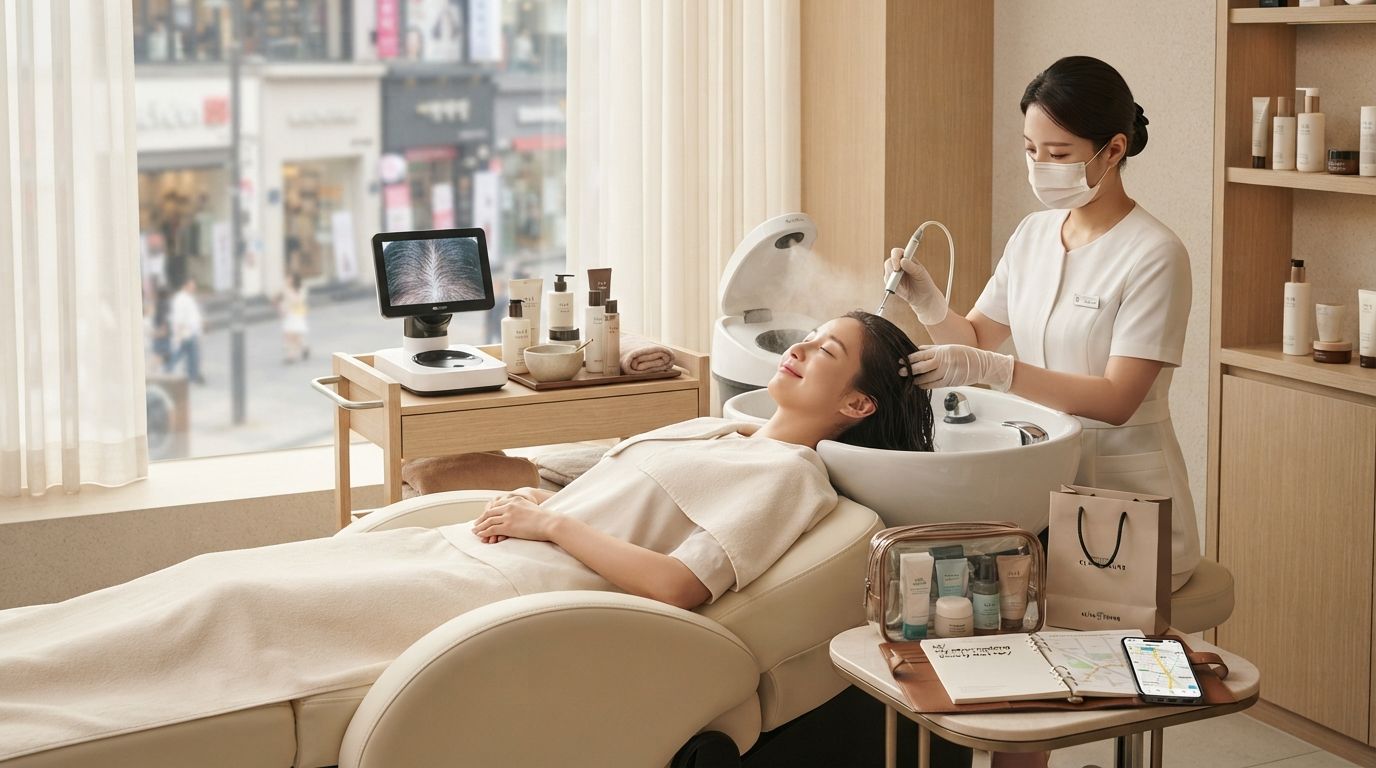
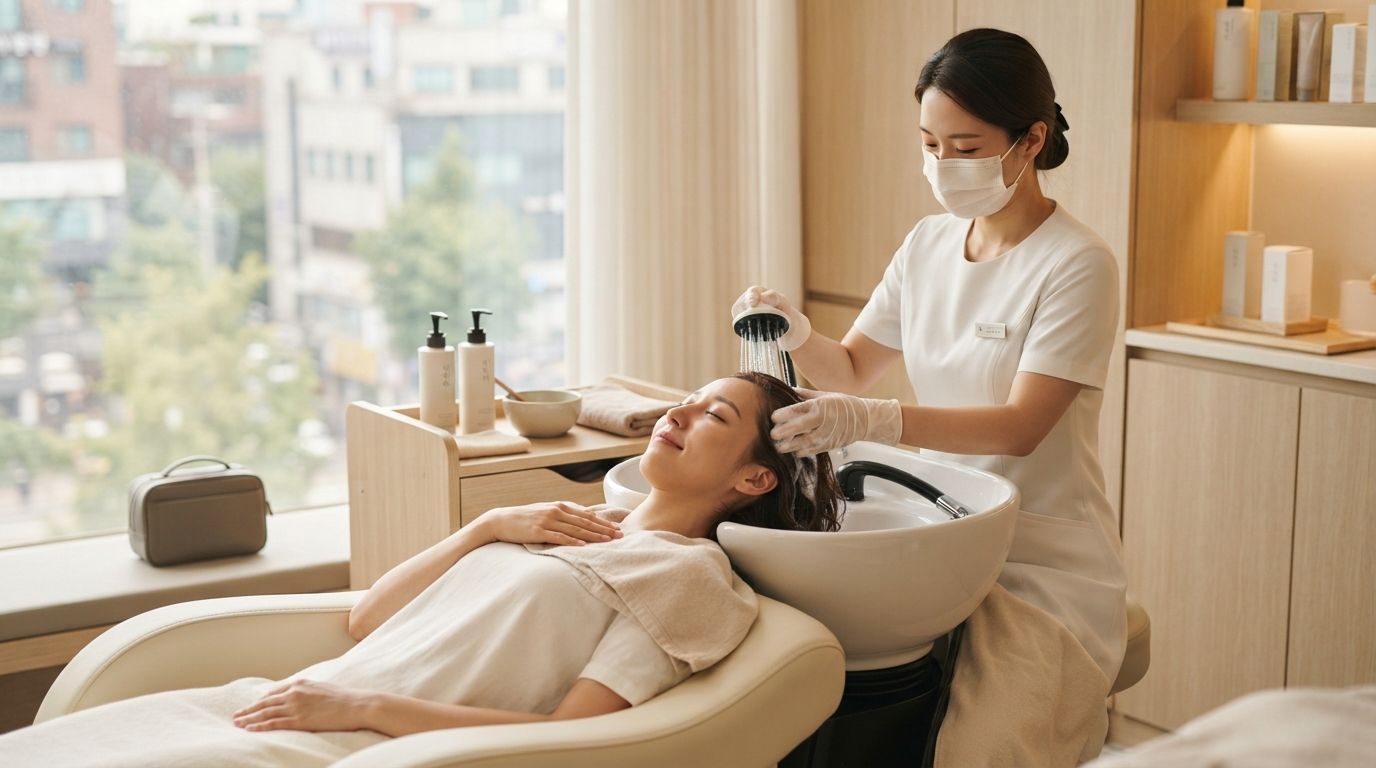
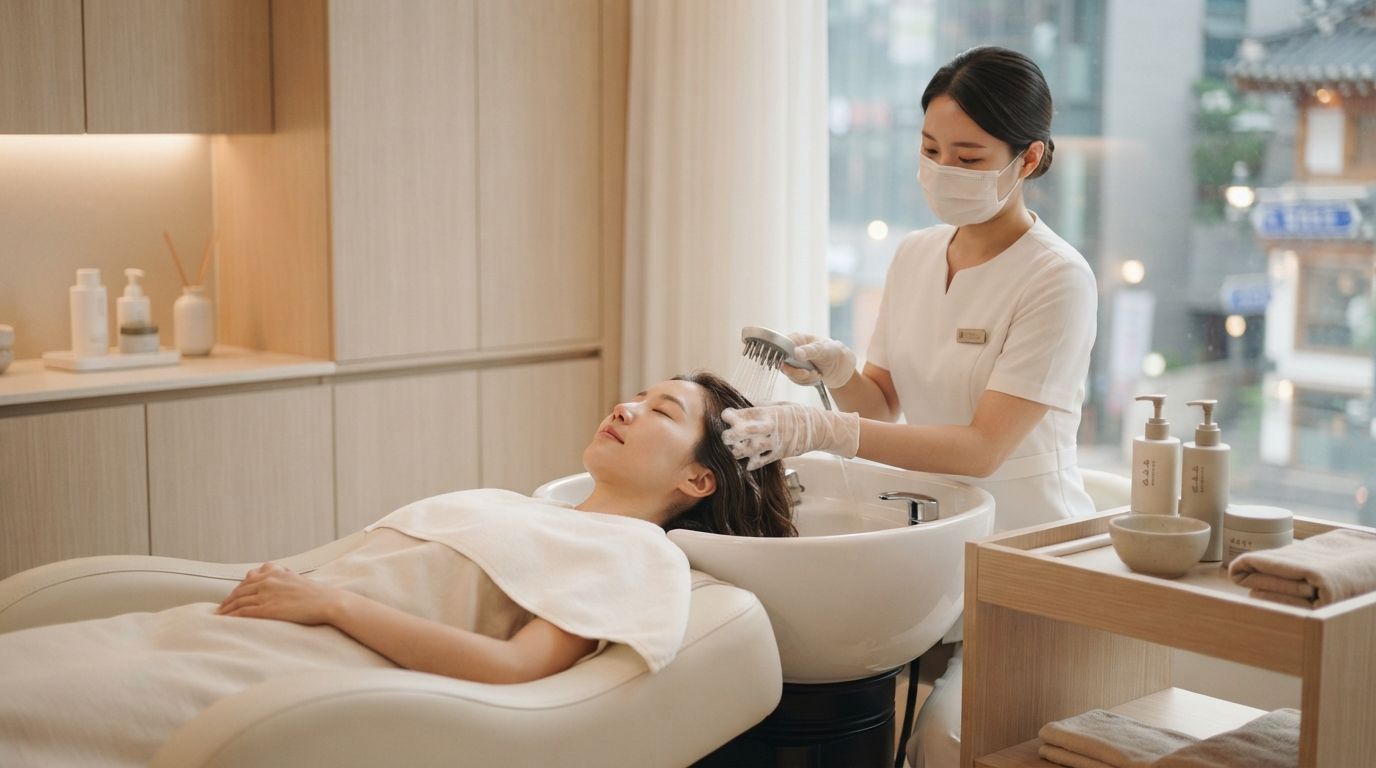
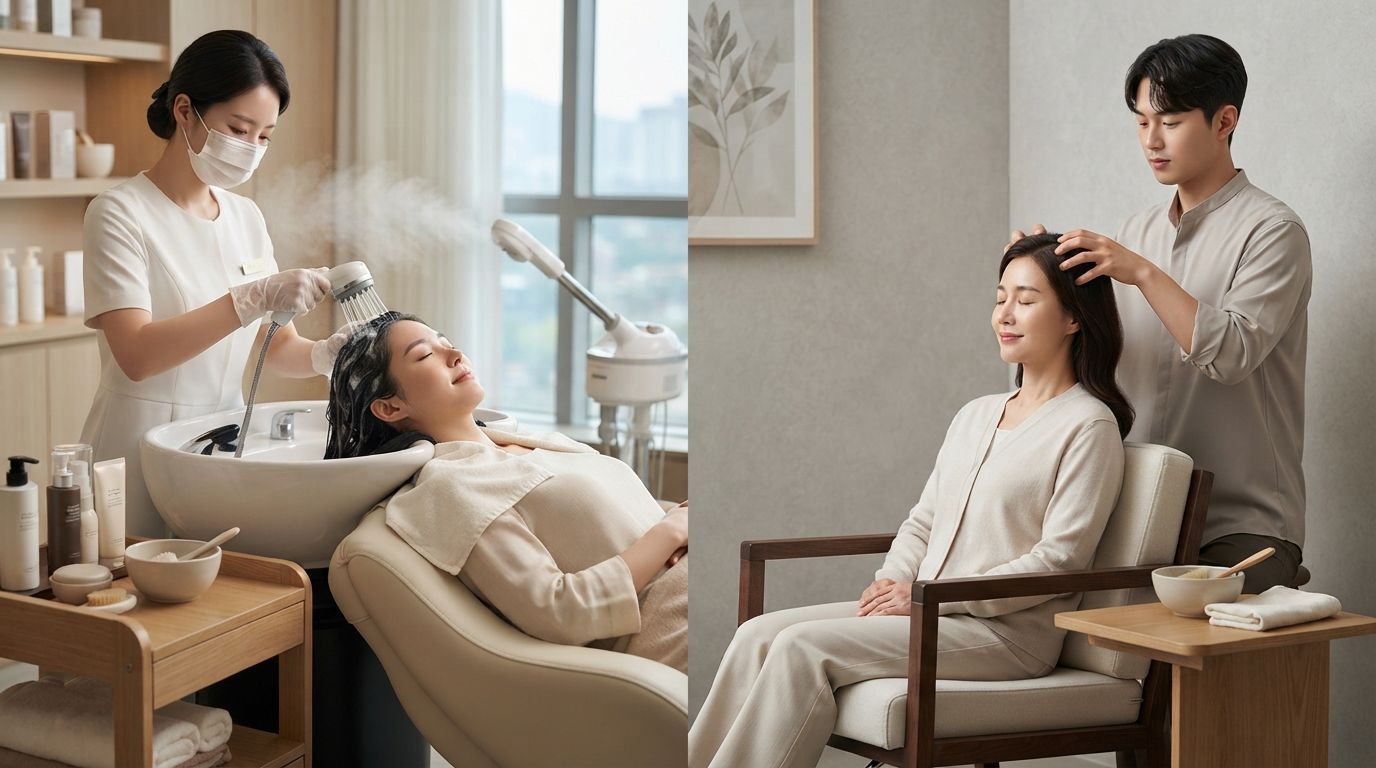
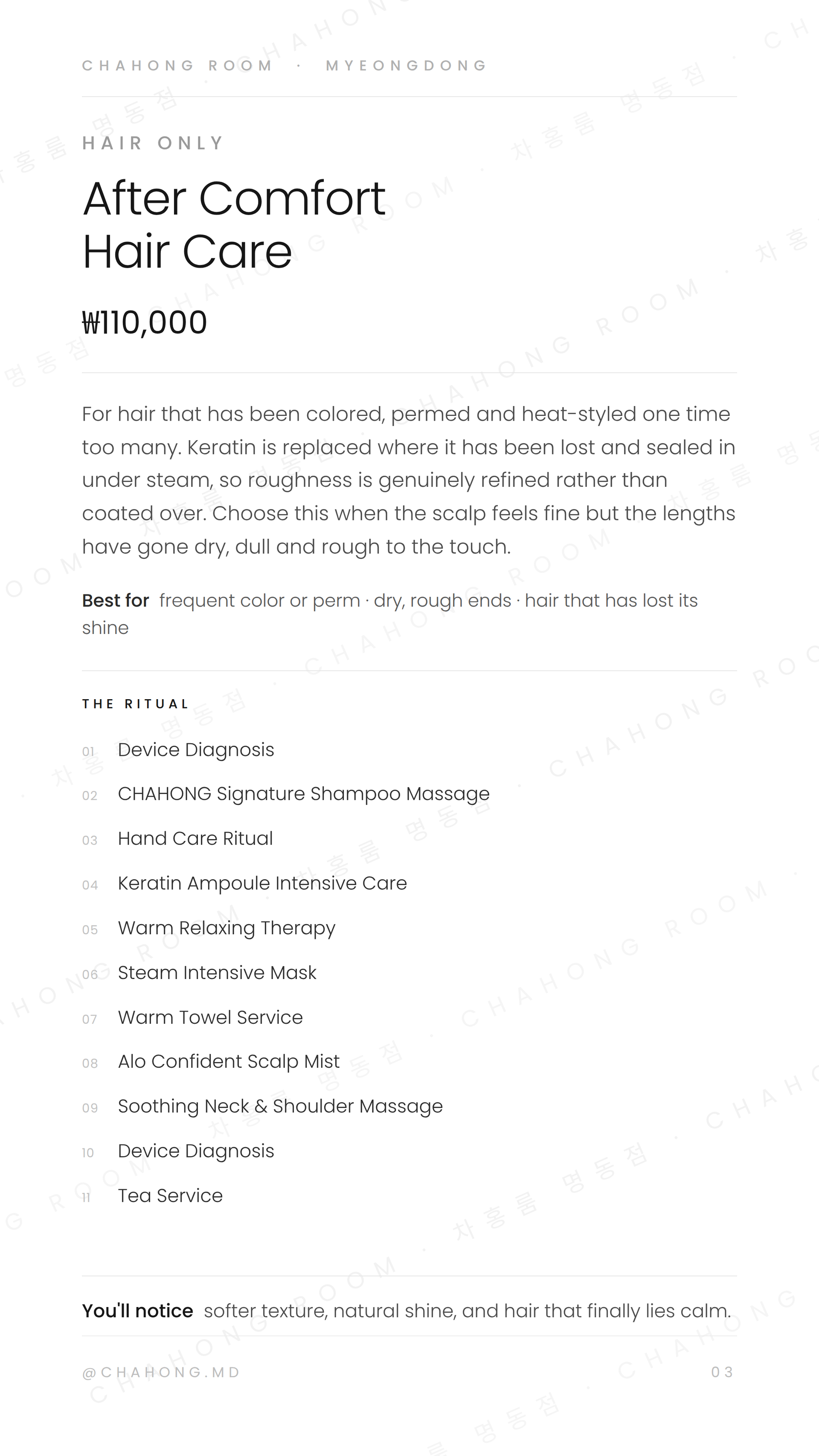
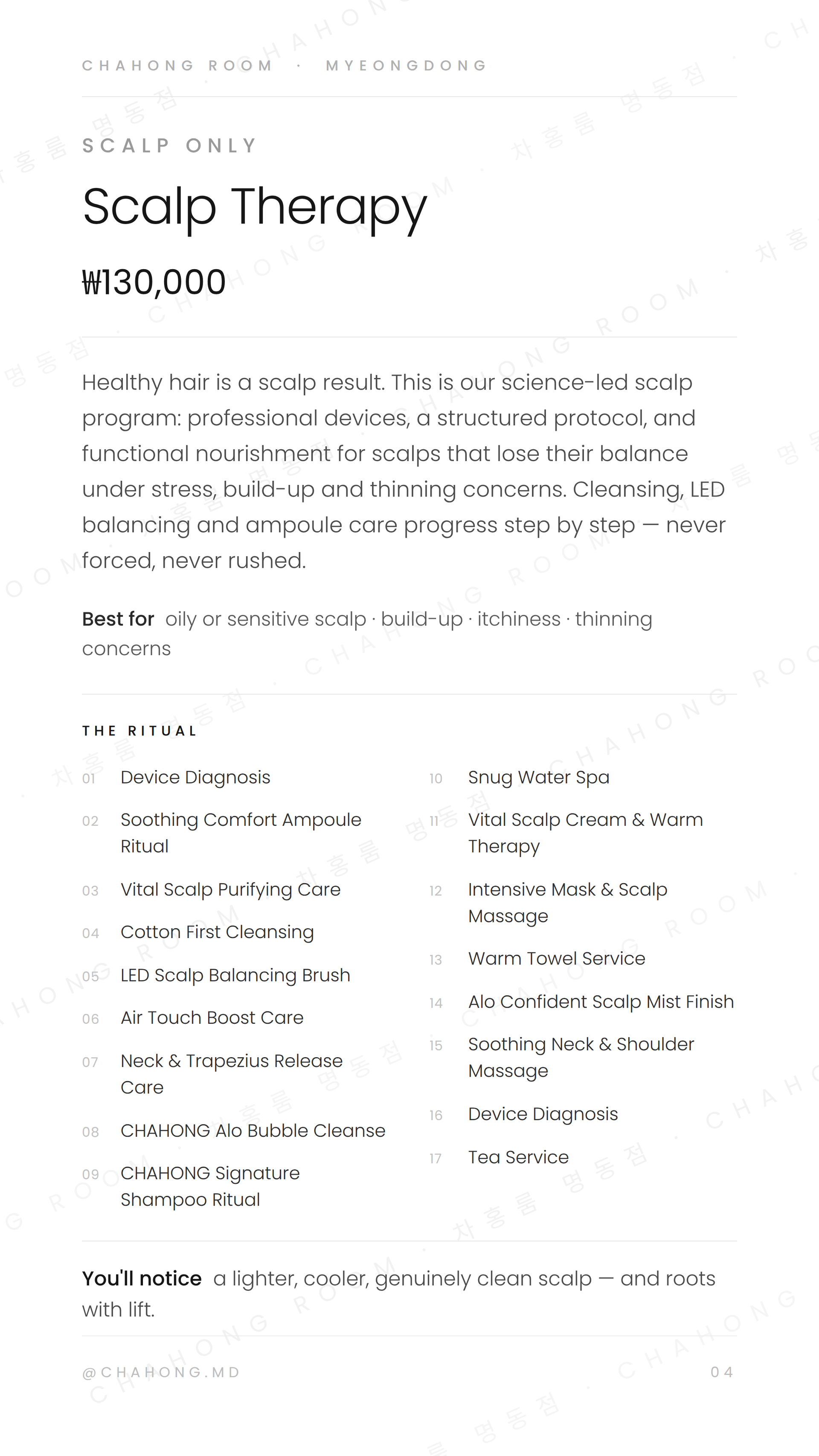
A professional scalp-care treatment, including a gentle Korean head spa, may be considered when the goal is cleansing, relaxation, hydration, and scalp comfort. It should not be considered a medical cure for an underlying scalp disorder.
How Is Dandruff Usually Managed?
Dandruff management depends on its severity and underlying cause. Mild dandruff may improve with appropriate anti-dandruff scalp care, while persistent or significant symptoms may require evaluation by a dermatologist or other qualified medical professional.
Professional assessment may be particularly useful when flaking is accompanied by significant redness, inflammation, severe itching, thick scales, sores, or symptoms that do not improve with basic care.
Can a Head Spa Help With Dry Scalp or Dandruff?
A head spa can support general scalp care, but its role differs depending on the problem.
For dry scalp: gentle cleansing, hydration-focused care, and avoiding excessive exfoliation may help improve scalp comfort.
For dandruff: cleansing may temporarily remove visible flakes and excess oil, but a head spa does not necessarily address the underlying cause of persistent dandruff.
If dandruff keeps returning despite regular scalp care, medical evaluation may be more appropriate than repeatedly increasing exfoliation or cleansing intensity.
When Should You See a Medical Professional?
Consider professional evaluation if you experience:
- Persistent or worsening scalp flaking
- Significant redness or swelling
- Severe or persistent itching
- Thick or extensive scaling
- Crusting, sores, or bleeding from scratching
- Hair loss associated with scalp changes
- Symptoms that do not improve with appropriate basic scalp care
Conditions such as seborrheic dermatitis, psoriasis, contact dermatitis, or fungal infections can sometimes resemble ordinary dandruff or dry scalp. A professional can determine whether further treatment is needed.
Dry Scalp vs Dandruff: Which Treatment Approach Is Appropriate?
The appropriate approach depends on what is causing the symptoms.
- Dry scalp: focus on gentle cleansing, reducing irritation, and supporting hydration.
- Mild dandruff: consider appropriate anti-dandruff scalp care and monitor whether symptoms improve.
- Persistent or inflamed dandruff: seek professional evaluation to determine whether a medical scalp condition is involved.
- Unclear symptoms: avoid repeatedly experimenting with stronger products or aggressive exfoliation and consider professional assessment.
Dry Scalp vs Dandruff for Visitors to Seoul
International visitors in Seoul may notice changes in their scalp after traveling because of differences in weather, indoor heating or air conditioning, water exposure, hair-washing habits, and new hair-care products.
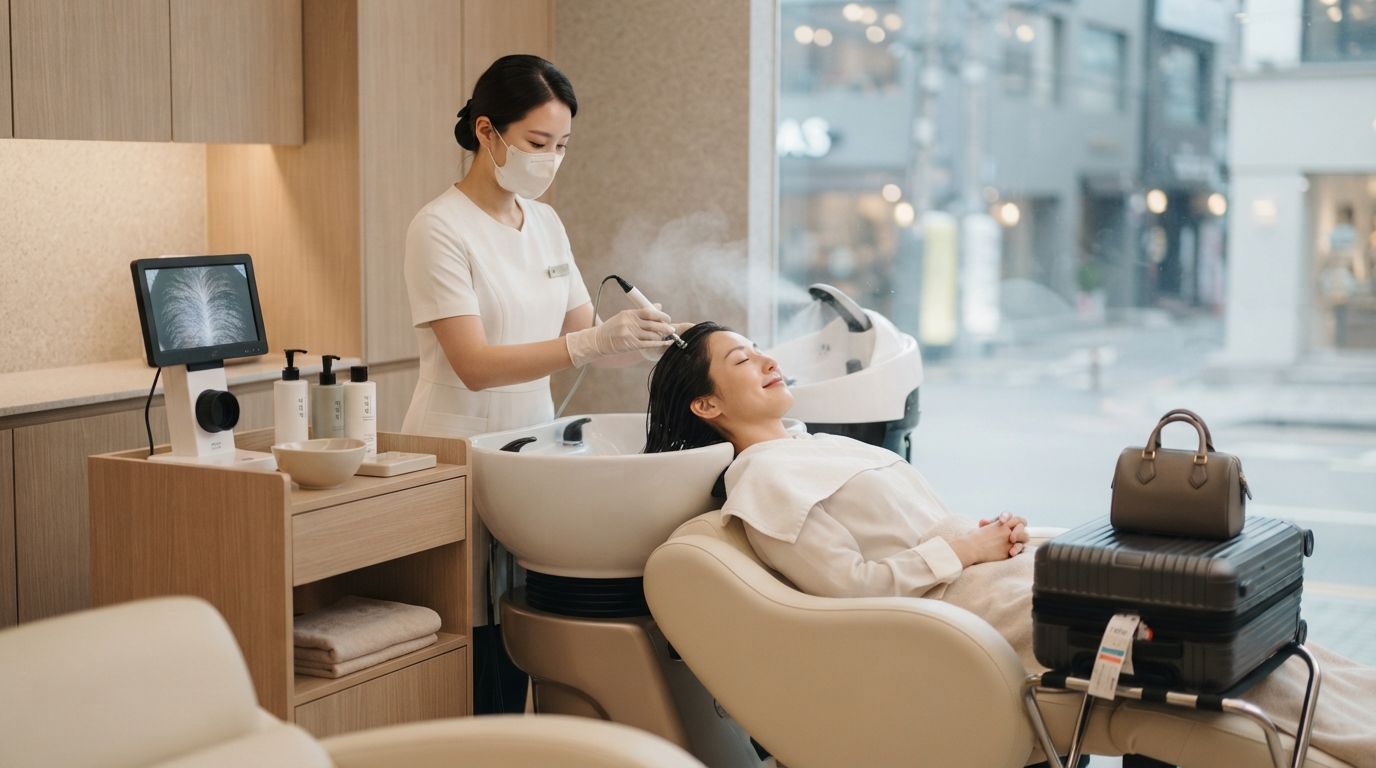
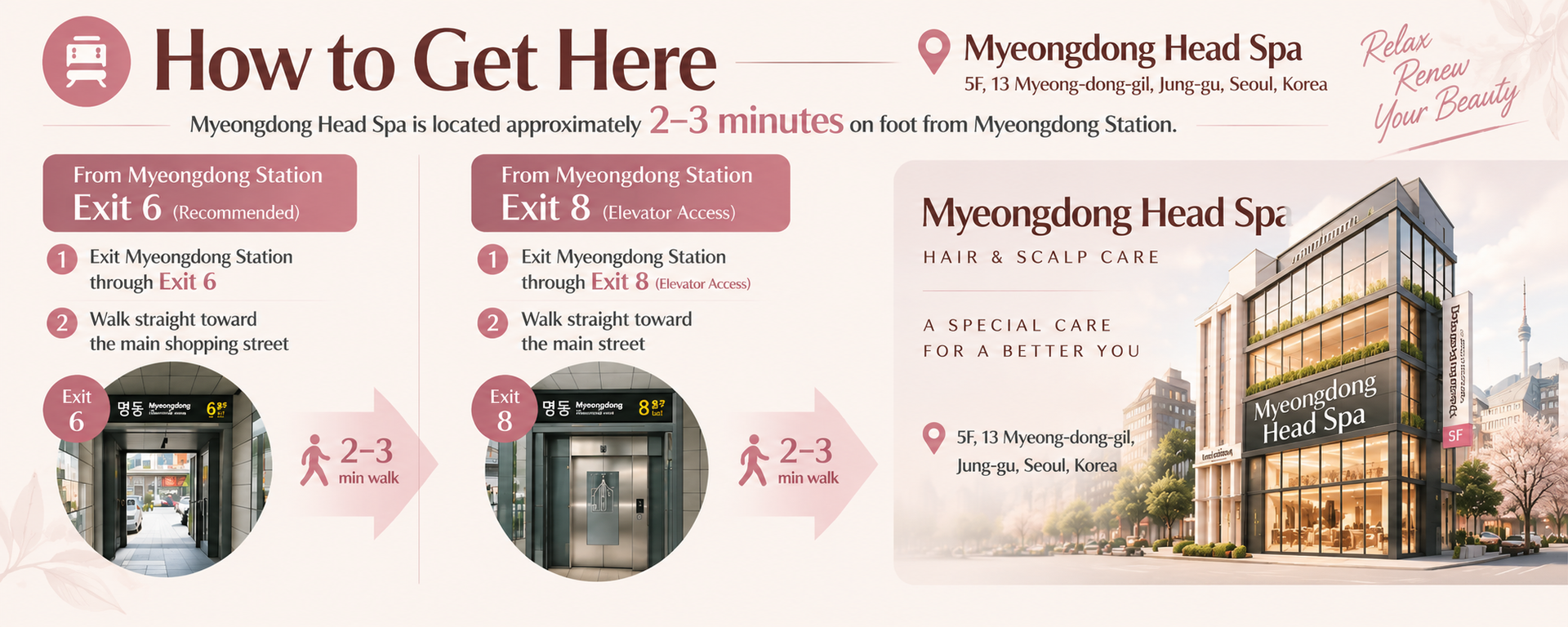
If you are considering a Korean head spa or scalp-care treatment in Seoul or Myeongdong, explain your symptoms clearly before treatment. Let the provider know if your scalp is sensitive, irritated, painful, or currently being treated for a medical condition.
For visitors with persistent symptoms, choosing a facility that can explain the treatment clearly and advise when medical evaluation is appropriate can be especially helpful.
Conclusion
Dry scalp and dandruff can look similar, but they often have different patterns. Dry scalp is generally associated with insufficient moisture and a tight or dry feeling, while dandruff is more commonly associated with flaking, scalp oil, itching, and irritation.
Gentle scalp care may help manage mild dryness, while persistent dandruff may require targeted treatment or professional evaluation. If you are unsure which condition you have, avoid relying only on the appearance of flakes. The scalp's oiliness, level of irritation, symptoms, and response to care all provide useful clues.
Frequently Asked Questions
Is dry scalp the same as dandruff?
No. Dry scalp is generally related to inadequate moisture or disruption of the scalp barrier, while dandruff is commonly associated with flaking and scalp irritation, often in an oily scalp environment.
How can I tell if my flakes are from dry scalp?
Fine white flakes combined with a tight, dry, or rough scalp may suggest dryness. However, persistent flaking can have several causes, so symptoms alone cannot confirm the diagnosis.
Does dandruff mean my scalp is dirty?
No. Dandruff is not simply a result of poor hygiene. Scalp oil, irritation, and individual susceptibility can all contribute to dandruff.
Can a Korean head spa remove dandruff?
A head spa can cleanse the scalp and temporarily remove visible flakes and buildup, but it should not be considered a medical treatment for persistent dandruff or an underlying scalp disorder.
Should I exfoliate a dry or flaky scalp?
Excessive exfoliation can increase irritation, especially when the scalp is already dry or sensitive. The appropriate level of exfoliation depends on the condition of the scalp.
When should I see a dermatologist for scalp flakes?
Consider professional evaluation when flaking is persistent, severe, painful, associated with significant redness or inflammation, accompanied by hair loss, or not improving with appropriate basic care.