Head Spa for Greasy Hair
Head Spa for Greasy Hair
A head spa for greasy hair can help remove excess oil, sweat, and product residue from the scalp while providing a deeper cleansing and relaxation experience than ordinary hair washing. Korean head spa treatments often combine scalp cleansing, gentle exfoliation or scaling, massage, and conditioning.
However, a head spa does not permanently reduce oil production. If your hair becomes greasy very quickly, the underlying cause may be your scalp's natural sebum production, hair-care routine, product use, or an underlying scalp condition.
Why Does Hair Become Greasy?
Greasy hair usually results from sebum, an oily substance naturally produced by sebaceous glands in the scalp. Sebum helps protect the skin, but excess oil can make the roots look shiny or feel heavy.
Common Factors Behind Greasy Hair
Several factors can contribute to an oily scalp:
- Naturally higher sebum production
- Frequent use of heavy styling products
- Sweat and physical activity
- Product residue accumulating near the roots
- Hair-care habits that do not suit the scalp
- Hormonal influences
- Certain scalp conditions
Greasy hair does not necessarily mean that the scalp is dirty. Over-cleansing or aggressive scrubbing can also irritate the scalp without addressing why it becomes oily.
How Can a Head Spa Help Greasy Hair?
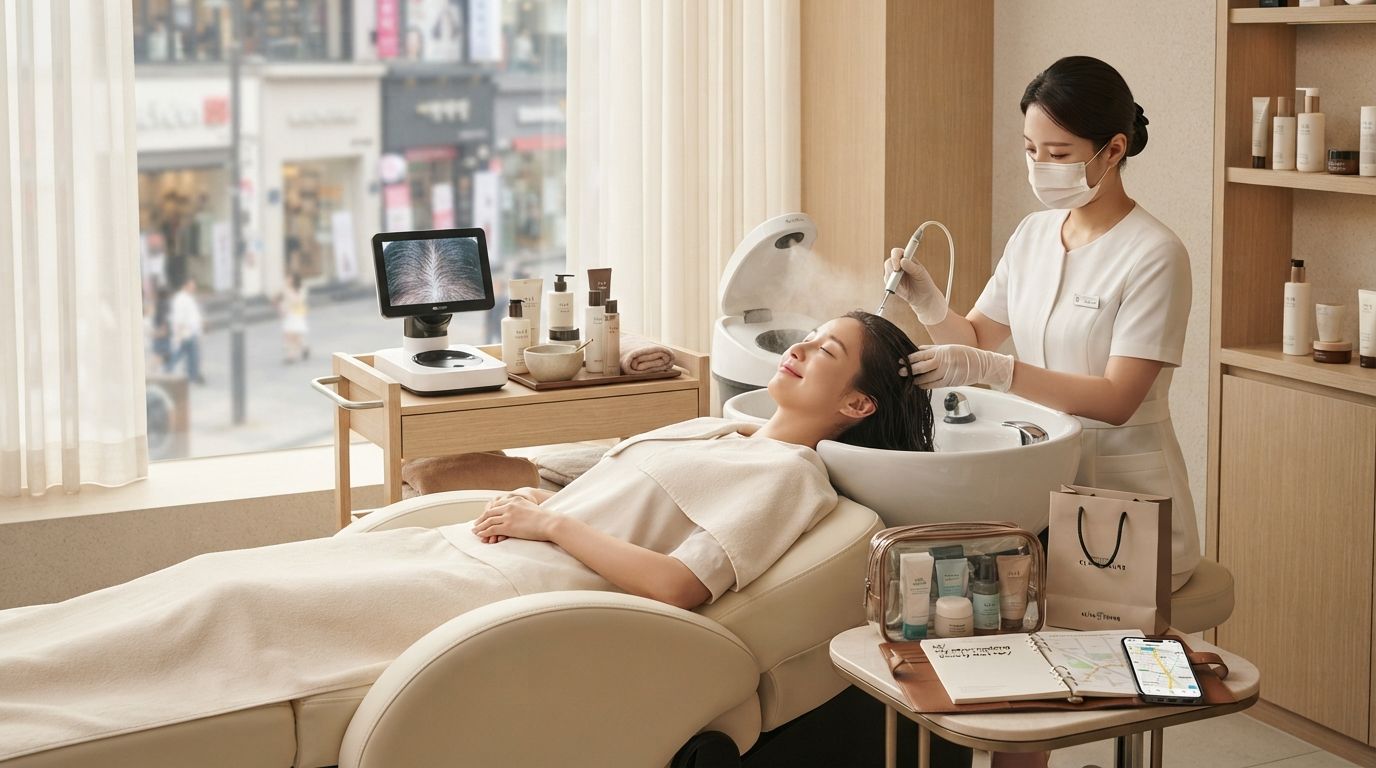
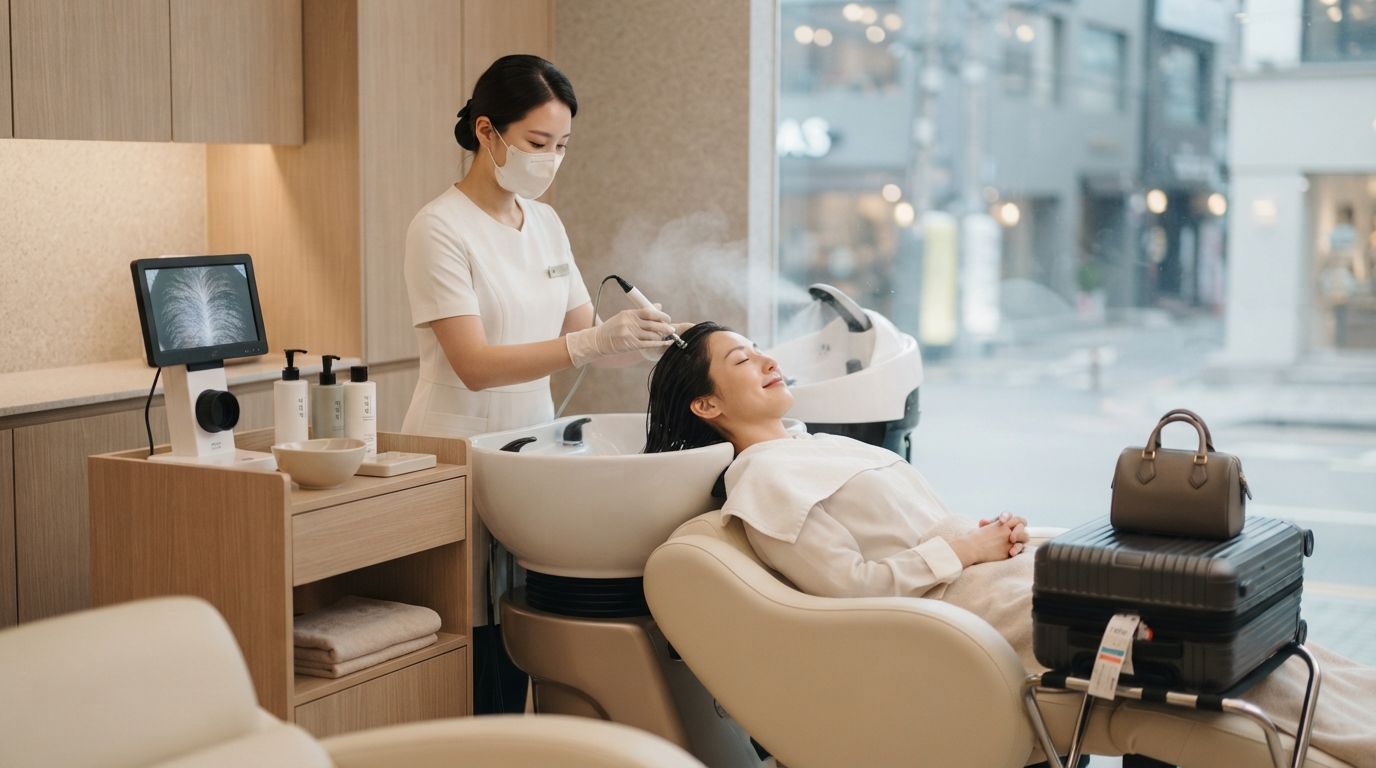
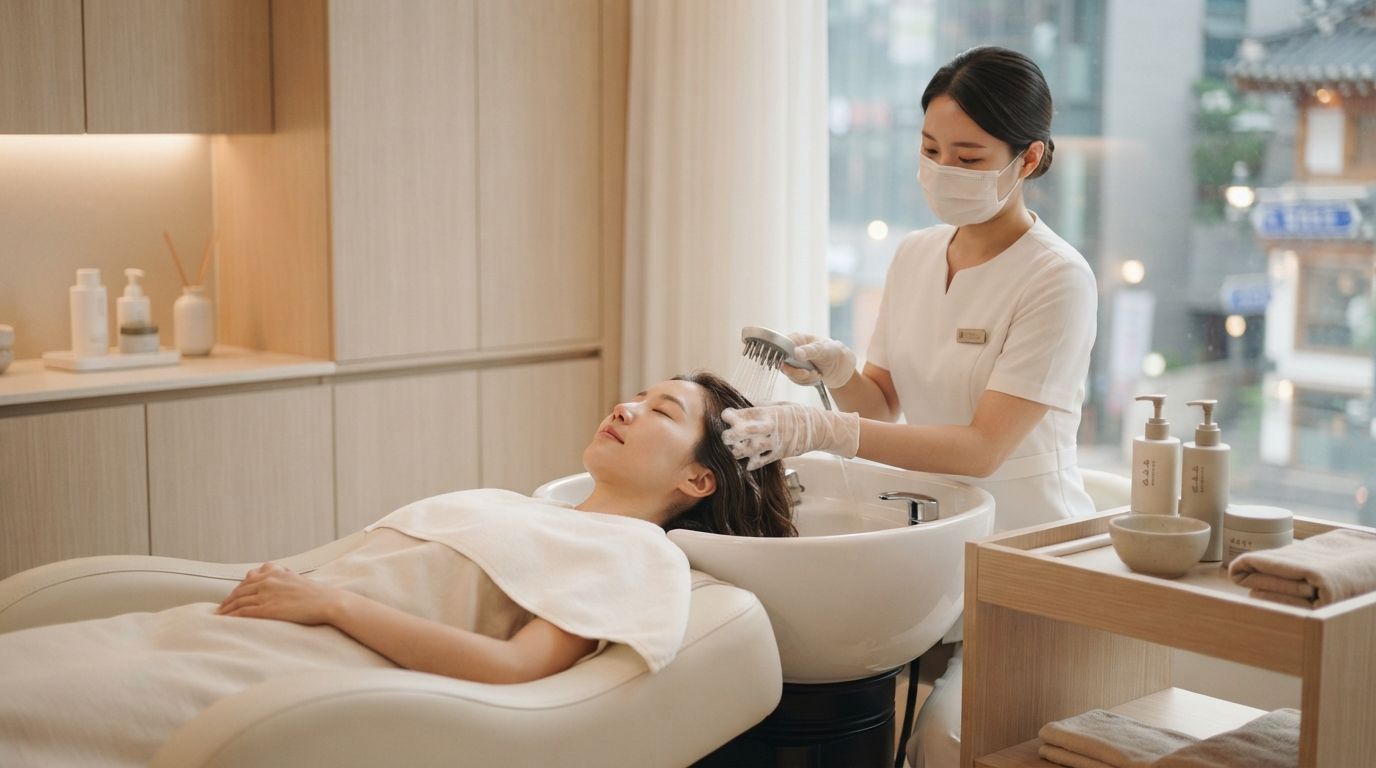
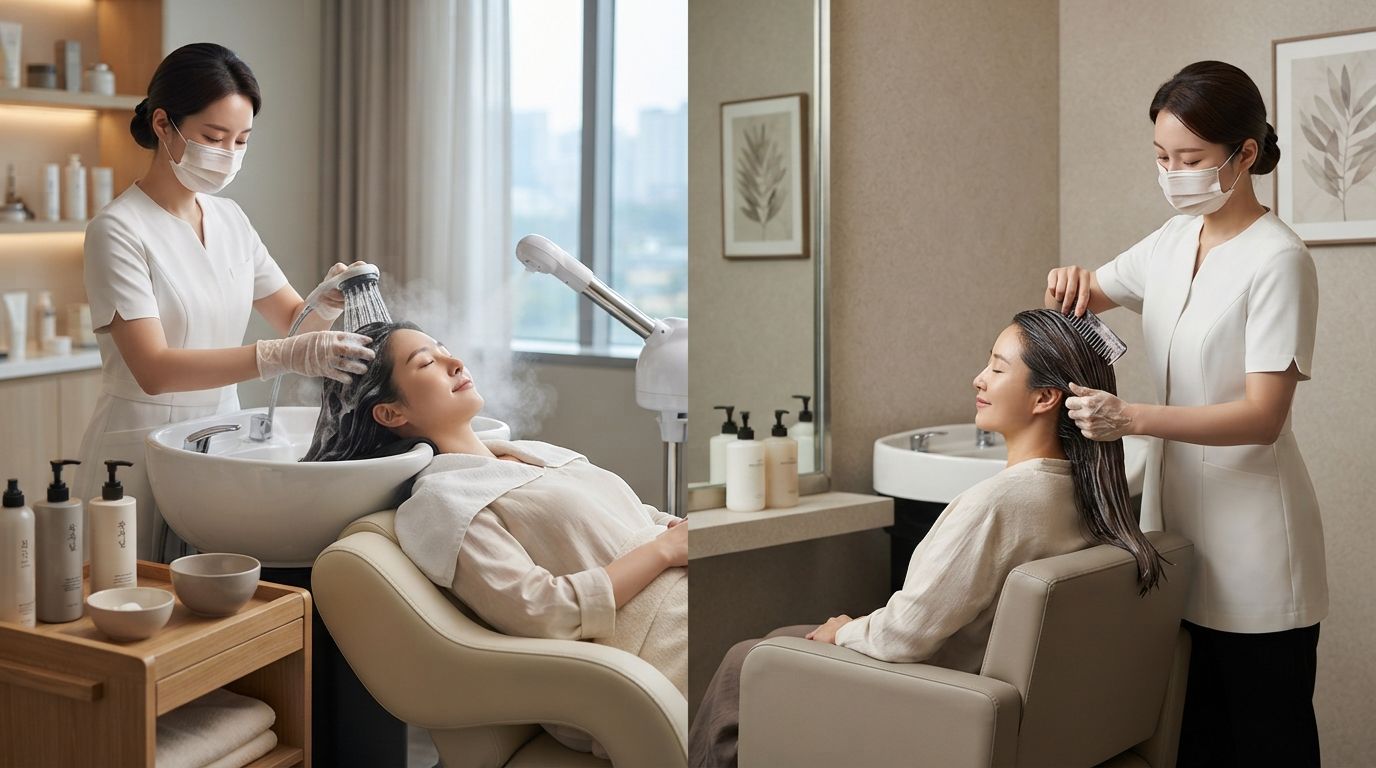
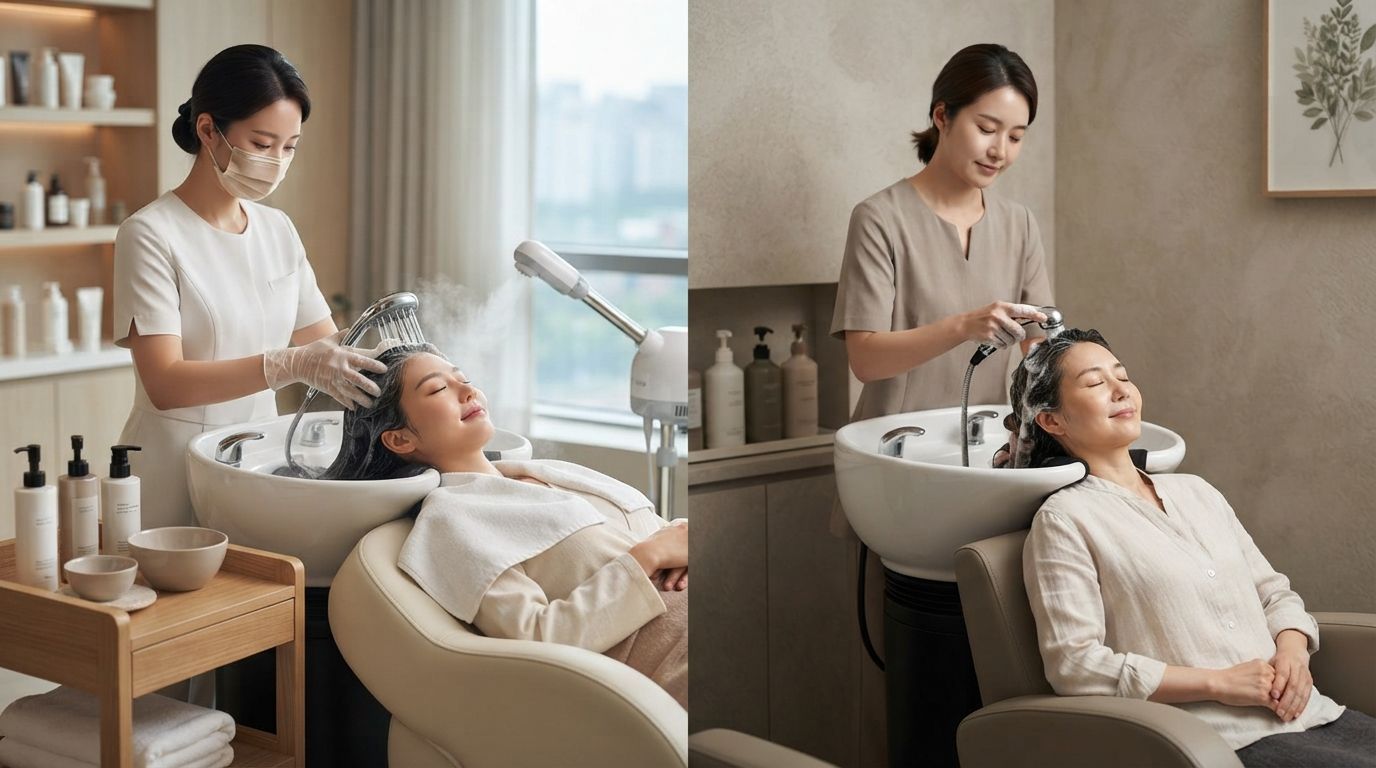
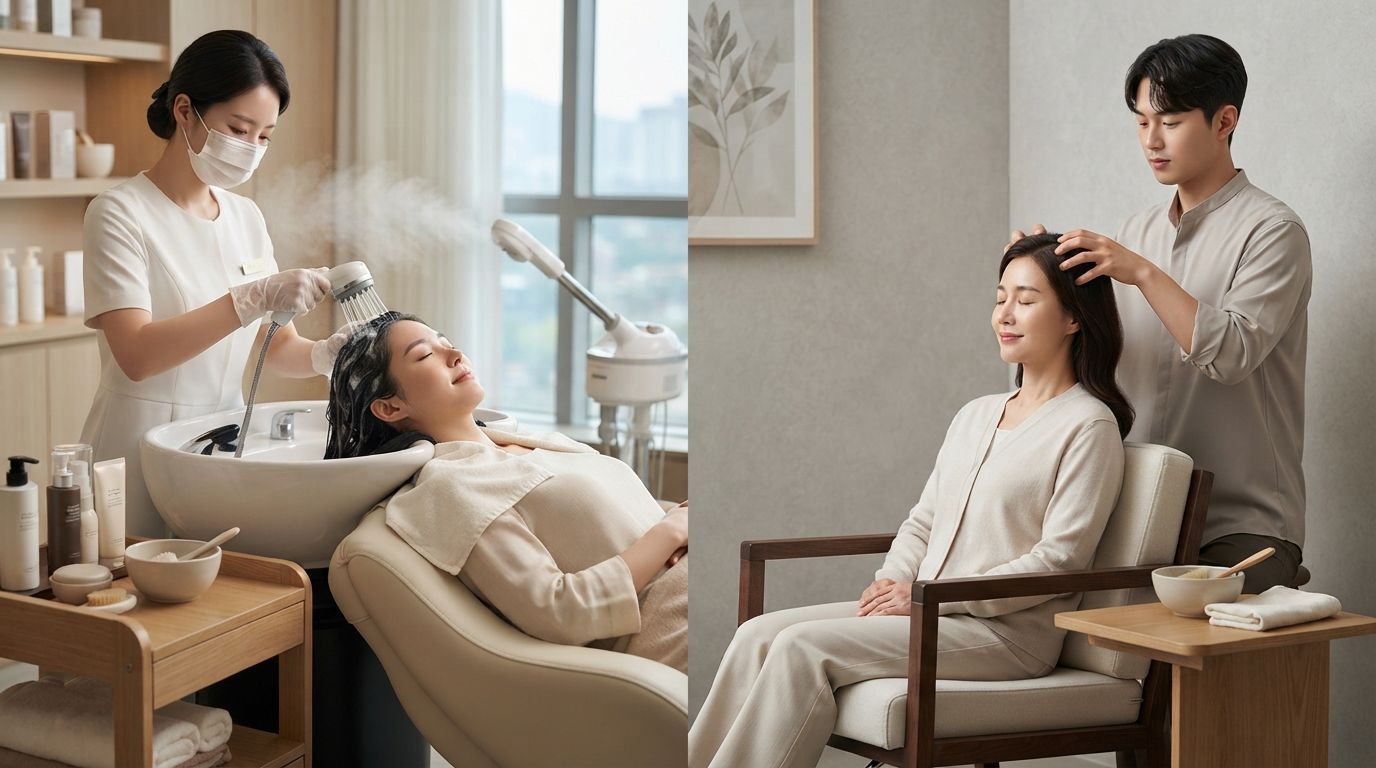
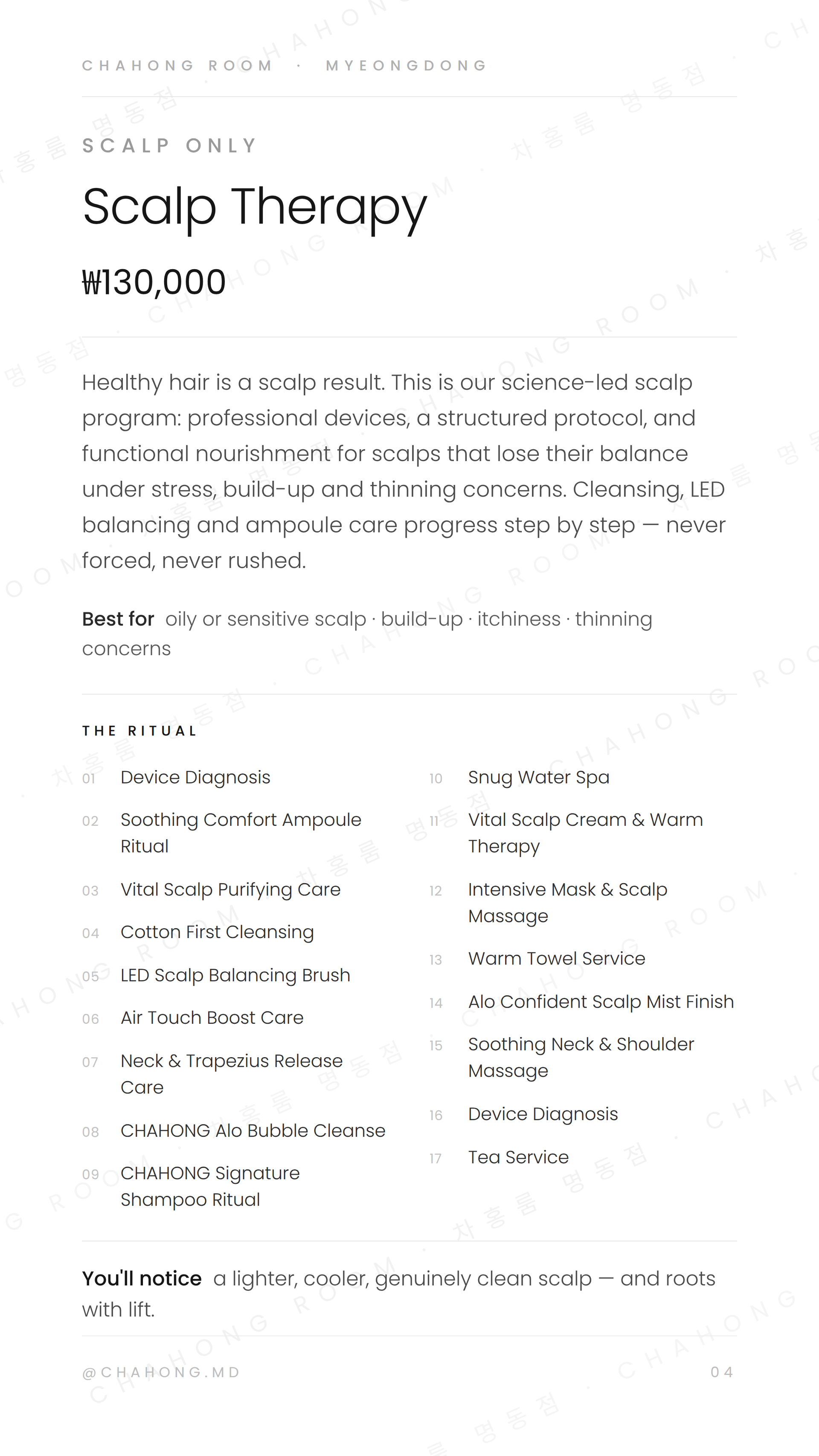
A Korean head spa focuses on the scalp rather than simply washing the hair lengths. A cleansing-oriented program may help remove accumulated oil and residue from the scalp's surface.
Deep Scalp Cleansing
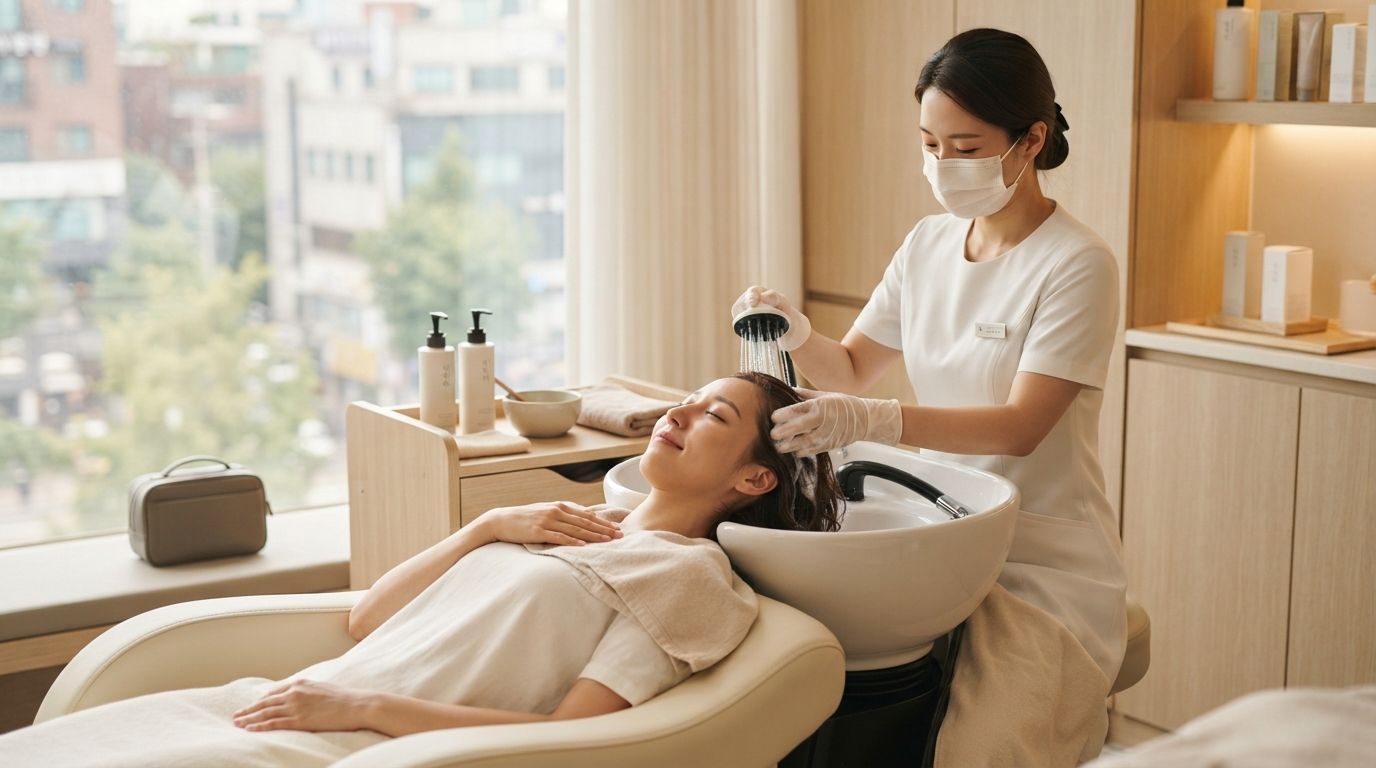
Professional cleansing can loosen and wash away excess oil, styling-product residue, sweat, and surface debris.
This can make the roots feel lighter and cleaner immediately after the appointment.
Scalp Scaling or Exfoliation
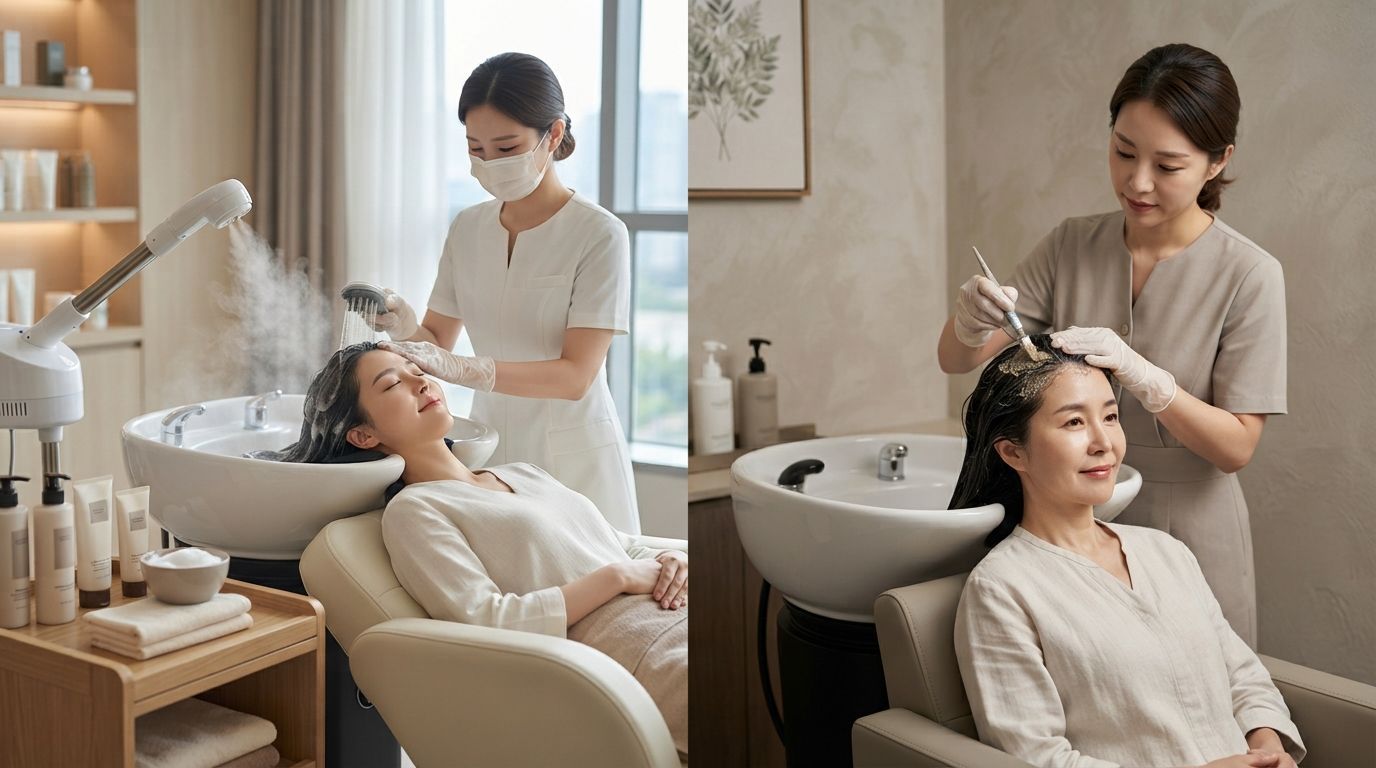
Some programs include scalp scaling, which is intended to loosen surface buildup before cleansing.
This may be useful when product residue or dead skin cells are contributing to a coated feeling. However, stronger exfoliation is not necessarily more effective and may irritate sensitive skin.
Scalp Massage
Massage is commonly included in Korean head spa treatments.
For greasy hair, massage is mainly a relaxation component rather than a method of permanently controlling sebum production. Excessive rubbing may irritate an already sensitive scalp.
Rinsing and Conditioning
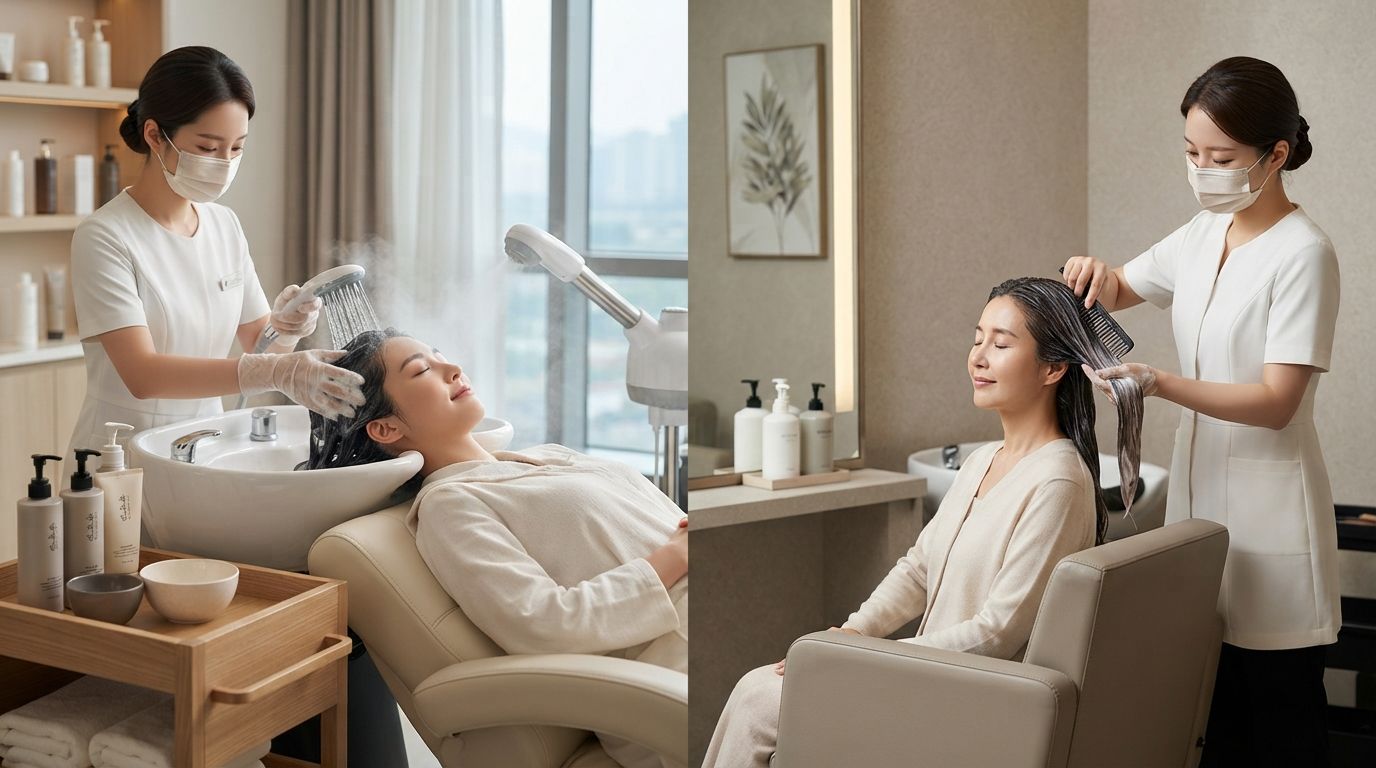
After cleansing, the scalp and hair are thoroughly rinsed. Some treatments include a conditioning or moisturizing step.
The products used should match the scalp and hair condition. Heavy products applied close to oily roots may contribute to a greasy appearance again.
Does a Head Spa Stop Greasy Hair?
No. A head spa can remove existing oil and buildup, but it does not permanently stop the scalp from producing sebum.
The scalp's oil production is influenced by biological factors that a cosmetic cleansing treatment does not eliminate.
You may notice that your hair feels cleaner for a period after treatment, but the oil will naturally return as the sebaceous glands continue to function.
What Results Are Realistic?
After a cleansing-focused head spa, you may notice:
- A cleaner-feeling scalp
- Less surface oil and residue
- Lighter-feeling roots
- Fresher-looking hair
- Temporary improvement in scalp comfort
These effects should be considered short-term cosmetic benefits rather than a permanent solution to oily hair.
Head Spa vs. Washing Greasy Hair at Home
A head spa and regular shampooing serve different purposes.
| Regular hair washingHead spa | |
|---|---|
| Routine scalp hygiene | Professional scalp-care experience |
| Usually shampoo and rinse | May include multiple cleansing steps |
| Usually takes a few minutes | Often takes longer |
| Performed regularly | Usually occasional |
| Mainly focused on everyday cleansing | May combine cleansing with massage and conditioning |
For someone with an oily scalp, regular appropriate washing remains the foundation of scalp hygiene. A head spa can be an additional cosmetic treatment rather than a replacement for normal hair care.
How to Manage Greasy Hair Between Head Spa Visits
A professional treatment can remove existing buildup, but daily habits influence how quickly oil returns.
Choose Products for Your Scalp
Use products appropriate for your scalp rather than selecting products solely based on your hair lengths.
If your roots become greasy quickly, applying heavy oils or rich leave-in products directly to the scalp may make the problem more noticeable.
Wash According to Your Needs
There is no single washing schedule that works for everyone.
People with naturally oily scalps may need to wash more frequently than those with dry scalps. The goal is to keep the scalp comfortable and clean without causing irritation from unnecessarily aggressive washing.
Rinse Thoroughly
Remaining shampoo, conditioner, or styling products can contribute to a coated feeling.
Pay particular attention to rinsing the scalp and roots thoroughly.
Avoid Excessive Scrubbing
Scrubbing harder does not necessarily produce a cleaner scalp. Vigorous scratching can cause irritation and discomfort.
Use your fingertips gently when washing rather than scraping the scalp with your nails.
Can a Head Spa Help With Scalp Buildup?
Yes, a cleansing-focused head spa may help when greasy hair is accompanied by ordinary product and oil buildup.
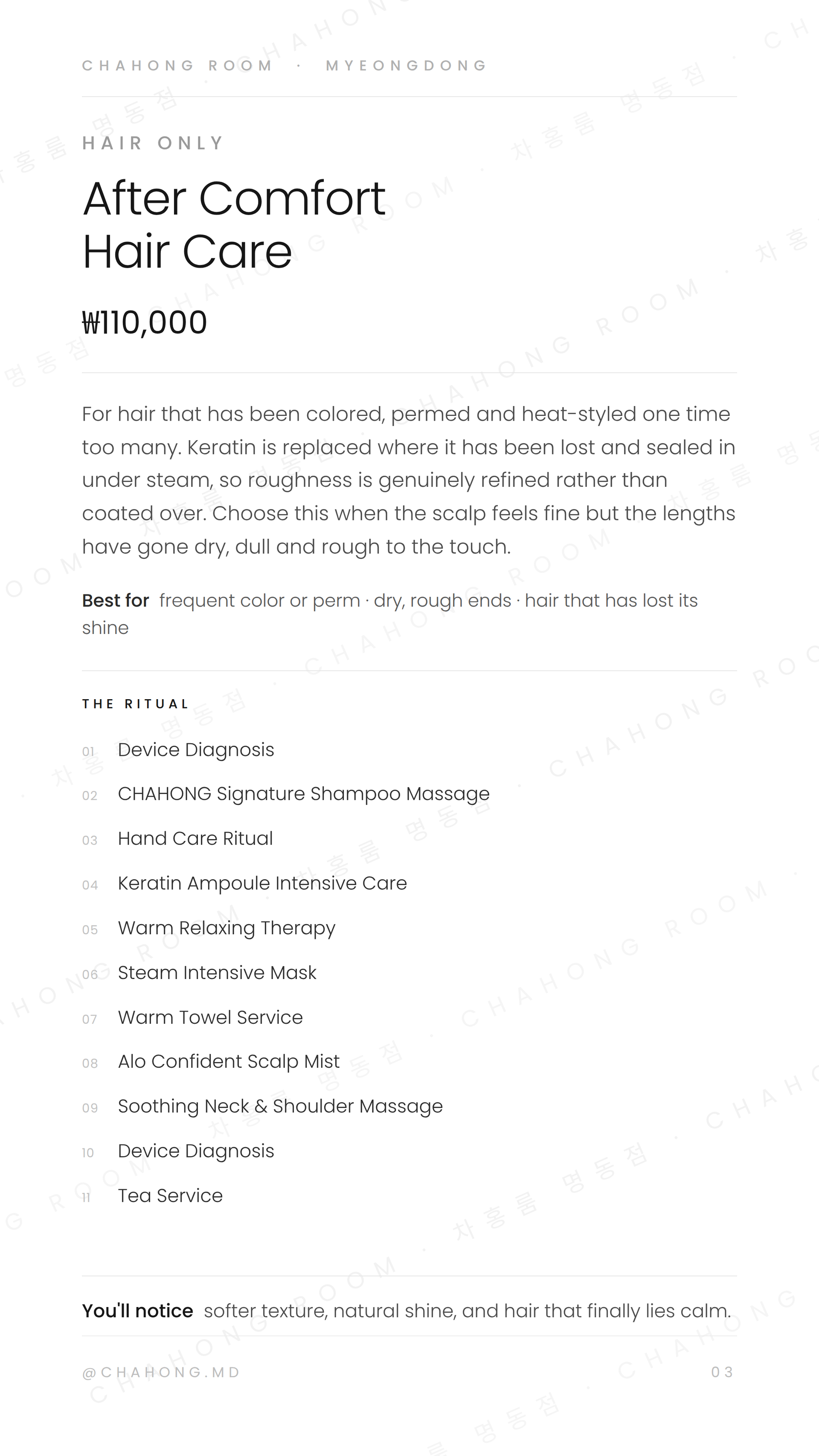
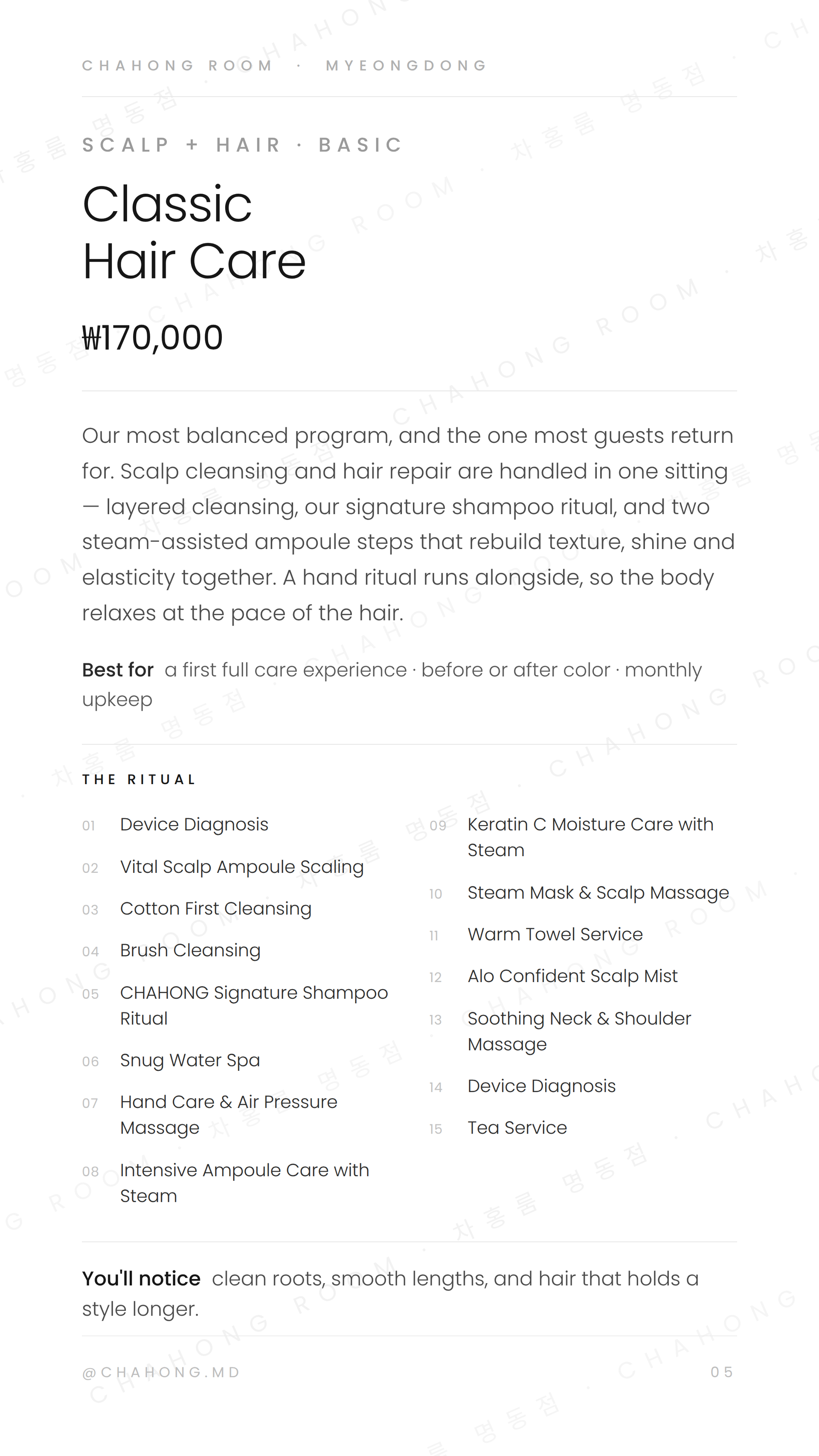
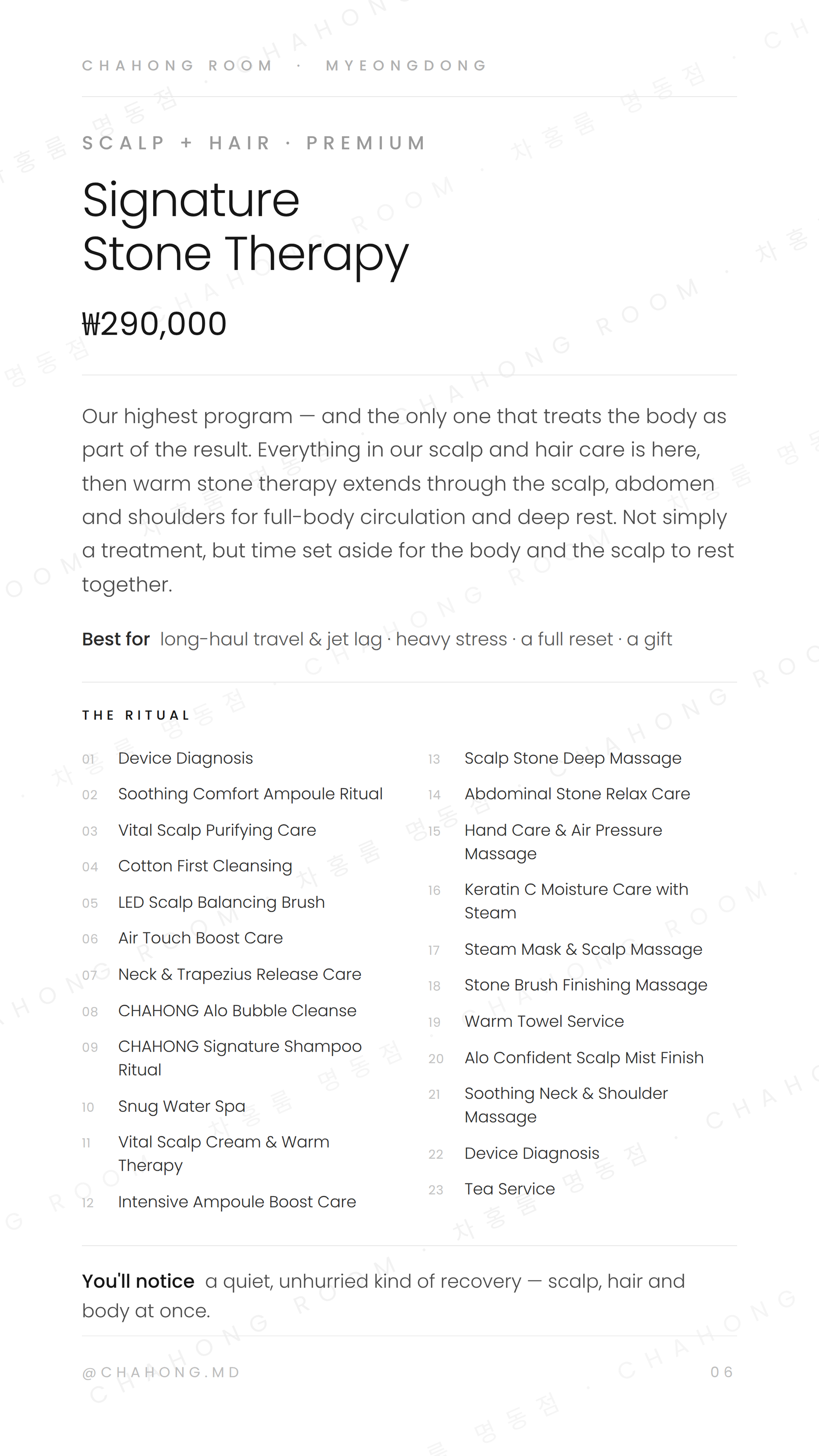
A treatment may combine scalp analysis, scaling, cleansing, massage, and conditioning. The exact service varies between providers.
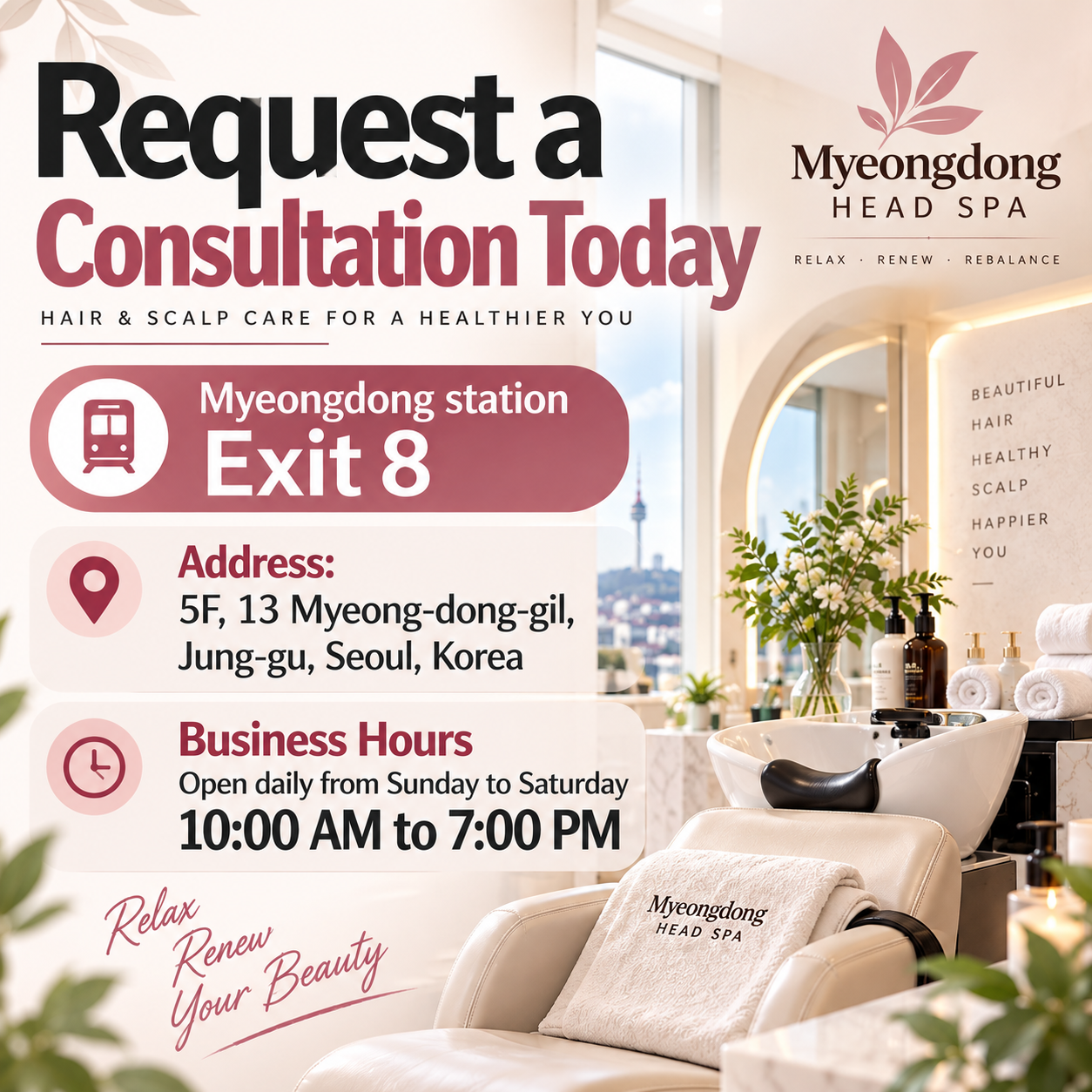
If you are specifically looking for a scalp buildup treatment in Seoul, check whether the menu includes dedicated cleansing or scaling rather than assuming every head spa package provides the same level of cleansing.
When Greasy Hair May Need Medical Attention
Greasy hair by itself is usually a cosmetic concern. However, persistent oiliness accompanied by other symptoms can sometimes indicate a scalp condition.
Signs to Take Seriously
Consider medical evaluation if excessive oiliness occurs alongside:
- Persistent or severe itching
- Significant redness
- Inflammation
- Thick or recurring scales
- Painful areas or sores
- Unexplained hair loss
- Persistent symptoms despite an appropriate hair-care routine
Conditions such as seborrheic dermatitis can cause oily or flaky scalp symptoms and may require medical management.
A cosmetic head spa should not be used as a substitute for diagnosis or treatment of a scalp disorder.
Choosing a Head Spa for Greasy Hair in Seoul
If you are visiting Seoul and want a head spa specifically for oily or greasy hair, look beyond the treatment name.
Check What Is Actually Included
Before booking, ask:
- Is scalp analysis included?
- Does the program include deep cleansing?
- Is scalp scaling or exfoliation used?
- Which products are applied to oily roots?
- How long does the cleansing portion take?
- Is massage included?
- Is blow-drying included?
- Is the service cosmetic rather than medical?
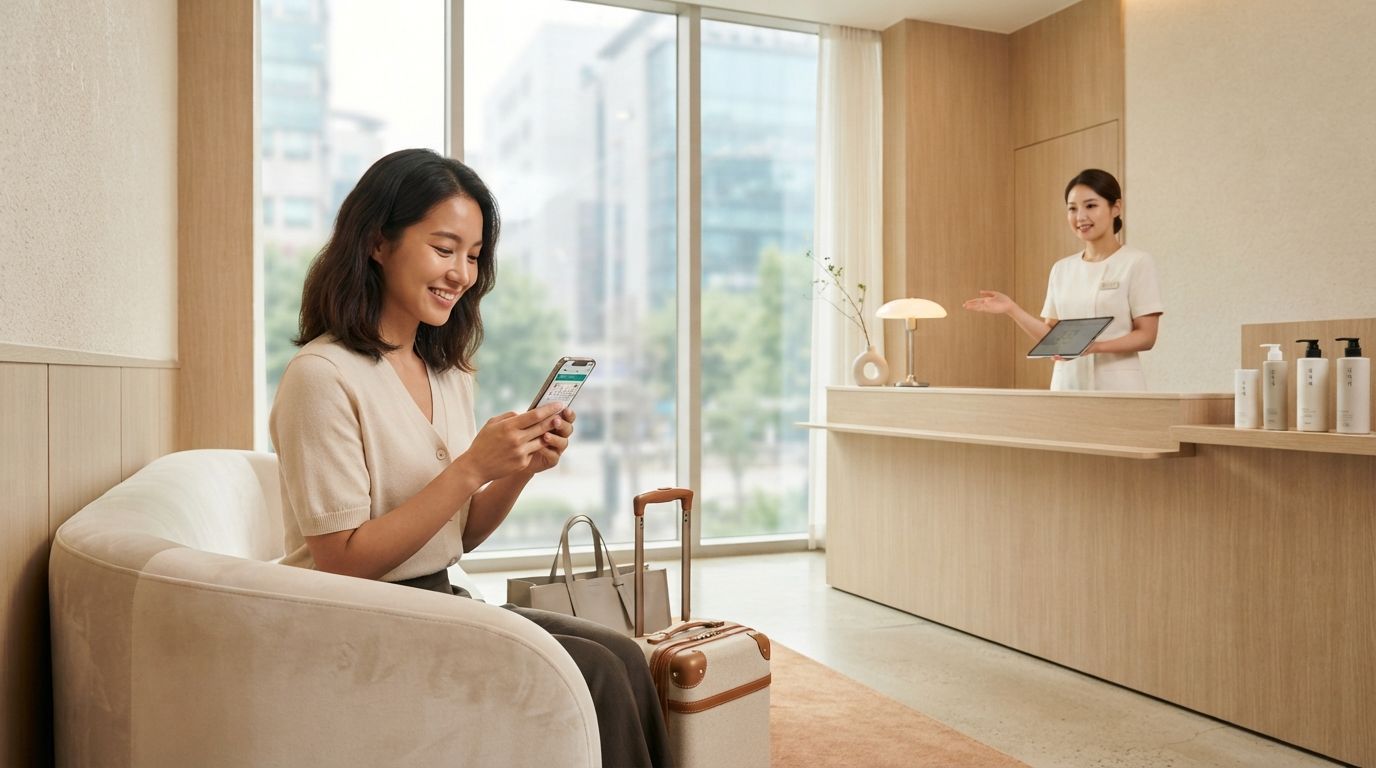
For international visitors, also check whether English-language consultation is available and allow enough time for the full appointment.
Conclusion
A head spa for greasy hair can provide deeper cosmetic cleansing than a routine wash and may temporarily remove excess oil and scalp buildup. Korean head spa programs may combine cleansing, scaling, massage, and conditioning for a more comprehensive experience.
However, a head spa does not permanently regulate sebum production. Regular hair care remains important between treatments, and aggressive cleansing is not necessarily better.
If greasy hair is accompanied by persistent itching, inflammation, heavy scaling, or unexplained hair loss, consider seeing a qualified medical professional to determine whether an underlying scalp condition is involved.
FAQs
Is a head spa good for greasy hair?
A cleansing-focused head spa may help remove excess surface oil and product buildup, leaving the scalp feeling cleaner. The effect is generally temporary.
Can a head spa stop my scalp from producing oil?
No. A head spa cleanses existing oil but does not permanently stop the sebaceous glands from producing sebum.
How often should I get a head spa for oily hair?
There is no universal schedule. Frequency depends on your scalp, hair-care routine, and the intensity of the treatment. Excessive exfoliation may irritate the scalp.
Should I wash greasy hair every day?
Washing frequency varies between individuals. People with oily scalps may need more frequent washing, while others may need less. Choose a routine that keeps the scalp clean and comfortable without causing irritation.
Does scalp scaling help greasy hair?
Scalp scaling may help loosen surface buildup and product residue. It should be performed appropriately because excessive exfoliation can irritate the scalp.
Can greasy hair be caused by dandruff?
Some scalp conditions, including seborrheic dermatitis, can involve both oiliness and flaking. If these symptoms persist, medical evaluation may be more appropriate than relying on cosmetic cleansing alone.