Excess Sebum Scalp Treatment in Korea
Excess Sebum Scalp Treatment in Korea
An excessively oily scalp can make hair look greasy soon after washing and may be accompanied by buildup, itching, flakes, or scalp irritation. Excess sebum scalp treatment in Korea generally depends on why the scalp is producing or retaining excess oil. For some people, improved scalp cleansing and hair-care habits are enough; for others, persistent oiliness may be associated with dandruff, seborrheic dermatitis, folliculitis, or another scalp condition that requires medical assessment.
The most appropriate treatment is therefore not simply to remove as much oil as possible. A dermatologist can assess the scalp and determine whether the problem is primarily excess sebum, product buildup, inflammation, or another condition.
What Is Excess Sebum on the Scalp?
Sebum is an oily substance produced by sebaceous glands attached to hair follicles. It helps protect the skin, but excessive oil production or accumulation can leave the scalp visibly greasy.
An oily scalp may present with:
- Hair that becomes greasy quickly after shampooing
- A heavy or coated feeling on the scalp
- Visible scalp buildup
- Oily or yellowish flakes
- Itching or irritation
- Scalp odor
- Small bumps or inflamed follicles in some cases
Importantly, an oily scalp does not necessarily mean poor hygiene. Sebum production is influenced by factors including hormones, individual skin characteristics, and scalp conditions.
When Excess Oil May Indicate a Scalp Condition
Excess oil accompanied by persistent itching, redness, greasy scaling, or inflammation may be associated with seborrheic dermatitis. This condition commonly affects oily areas such as the scalp and can cause greasy or dry scales and inflammation.
Dandruff can also occur with oily skin. If routine washing does not improve persistent flaking, a dermatologist may need to determine whether the problem is dandruff, seborrheic dermatitis, psoriasis, eczema, or another condition.
Excess Sebum Scalp Treatment Options in Korea
Treatment depends on the scalp findings and the underlying cause. A Korean dermatology or scalp-care consultation may begin with an examination of the scalp before recommending a treatment approach.
Medical Scalp Treatment
If excessive oil is related to dandruff or seborrheic dermatitis, treatment may include a medicated shampoo or topical medication.
Commonly used active ingredients for dandruff and seborrheic dermatitis include ketoconazole, selenium sulfide, salicylic acid, zinc pyrithione, and other ingredients selected according to the condition.
The goal is generally to control symptoms and inflammation rather than permanently eliminate sebum production.
Scalp Cleansing and Buildup Removal
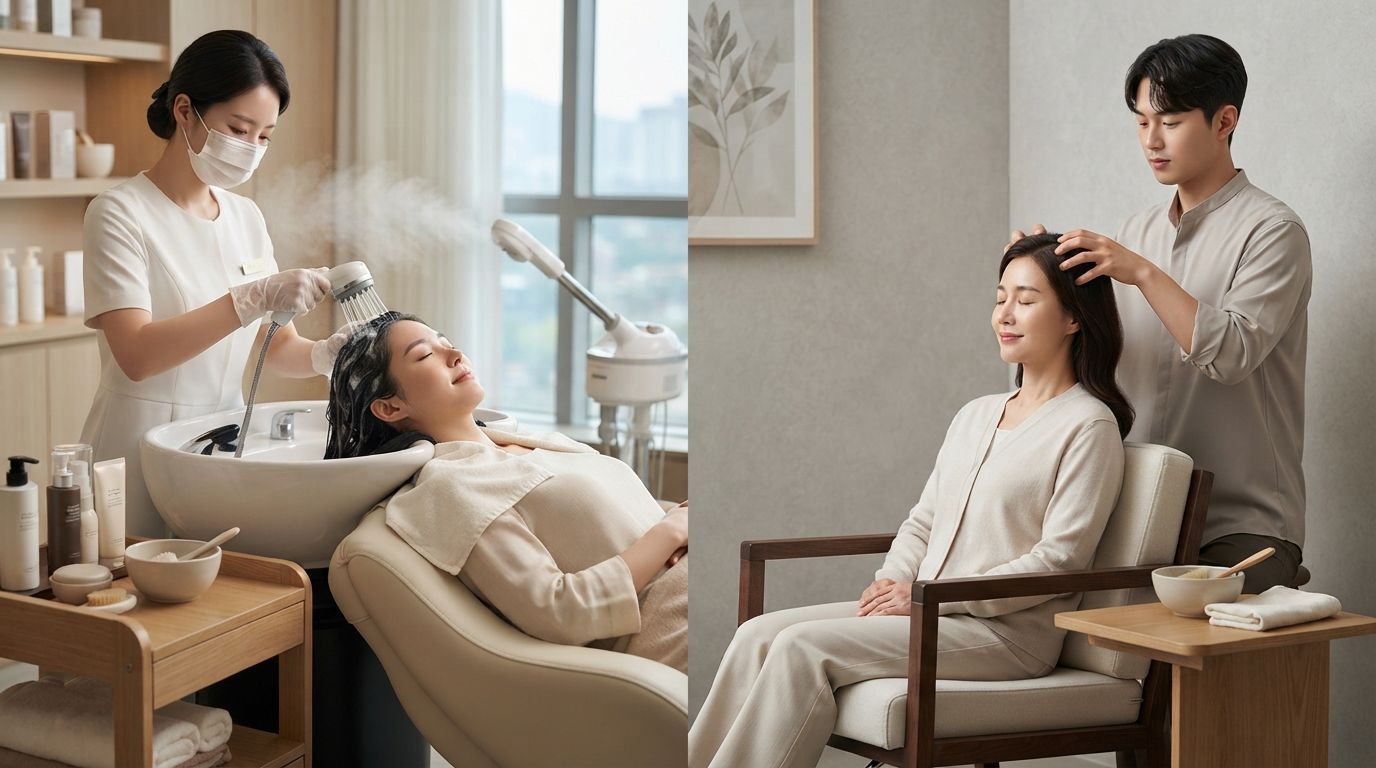
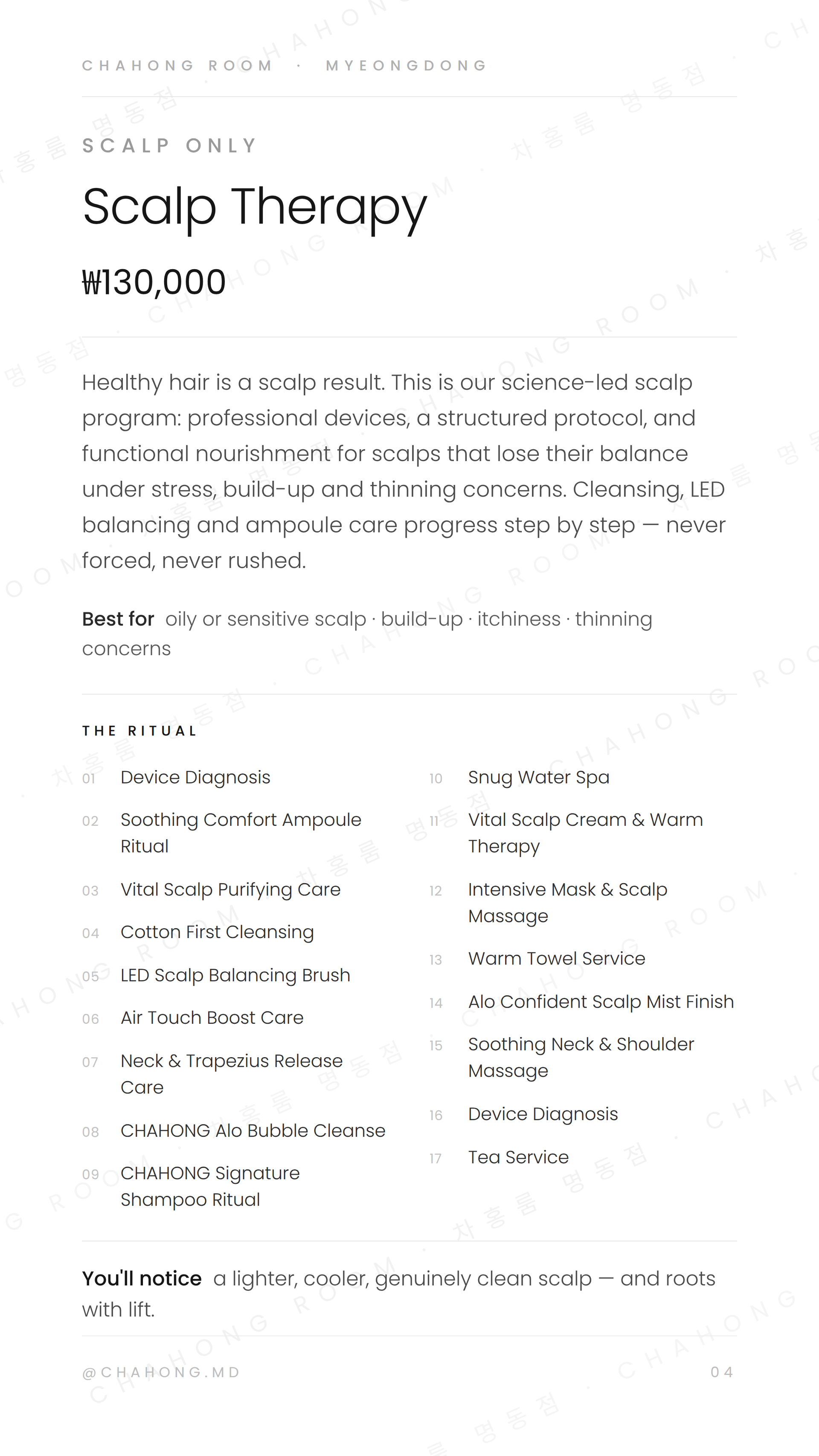
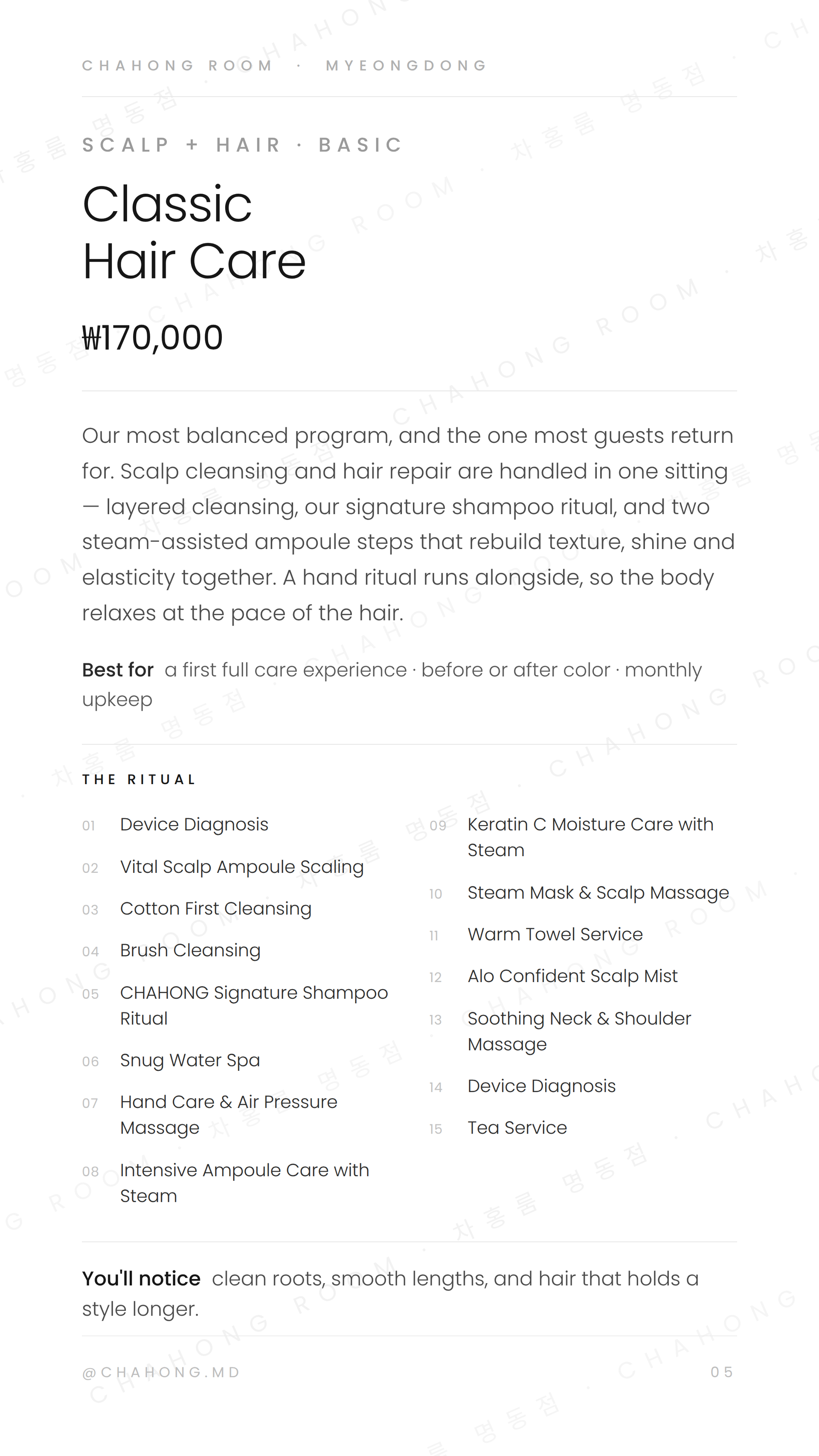
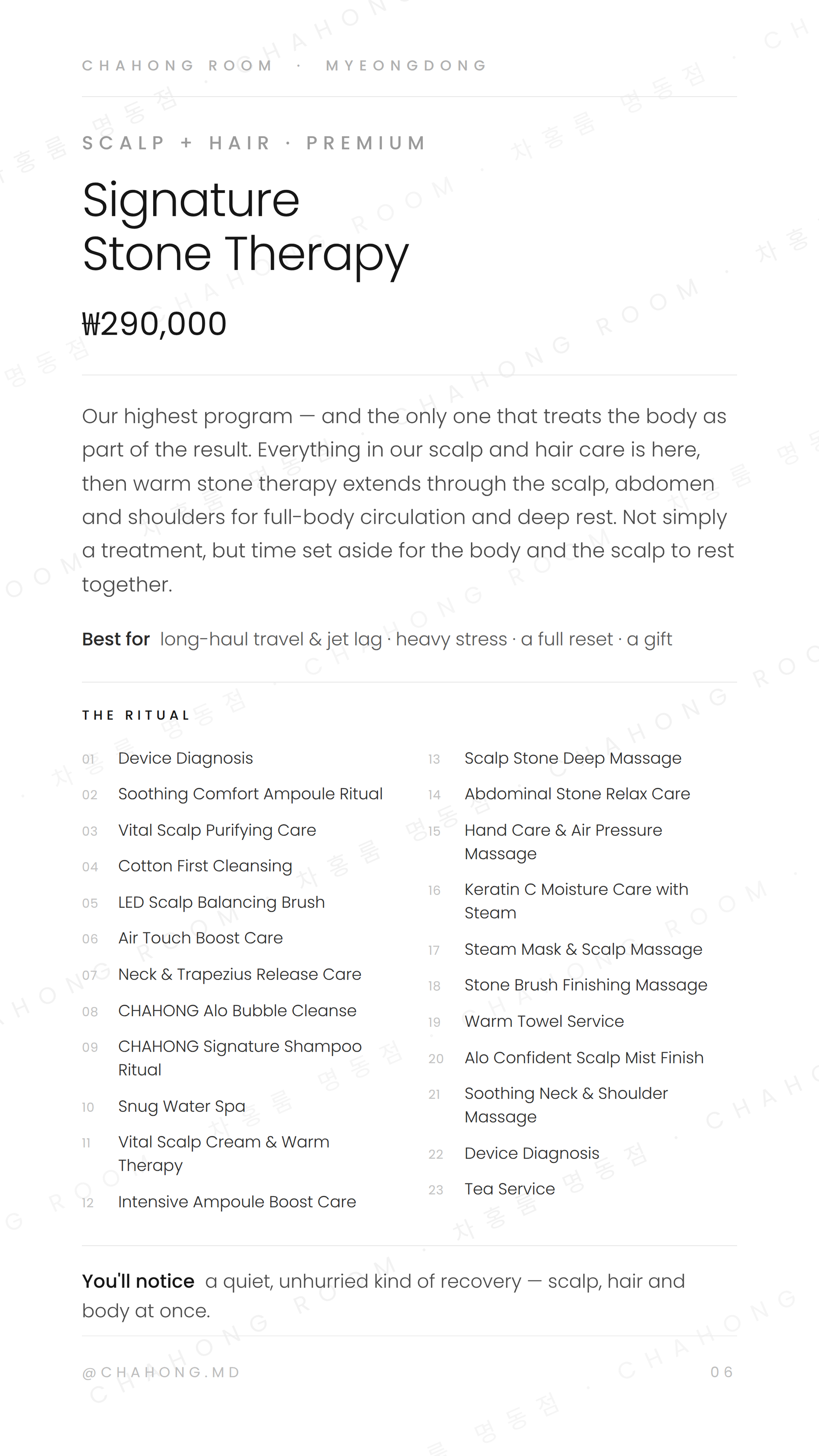
For people whose main concern is oil and cosmetic buildup rather than an inflammatory scalp disorder, professional scalp cleansing may be considered.
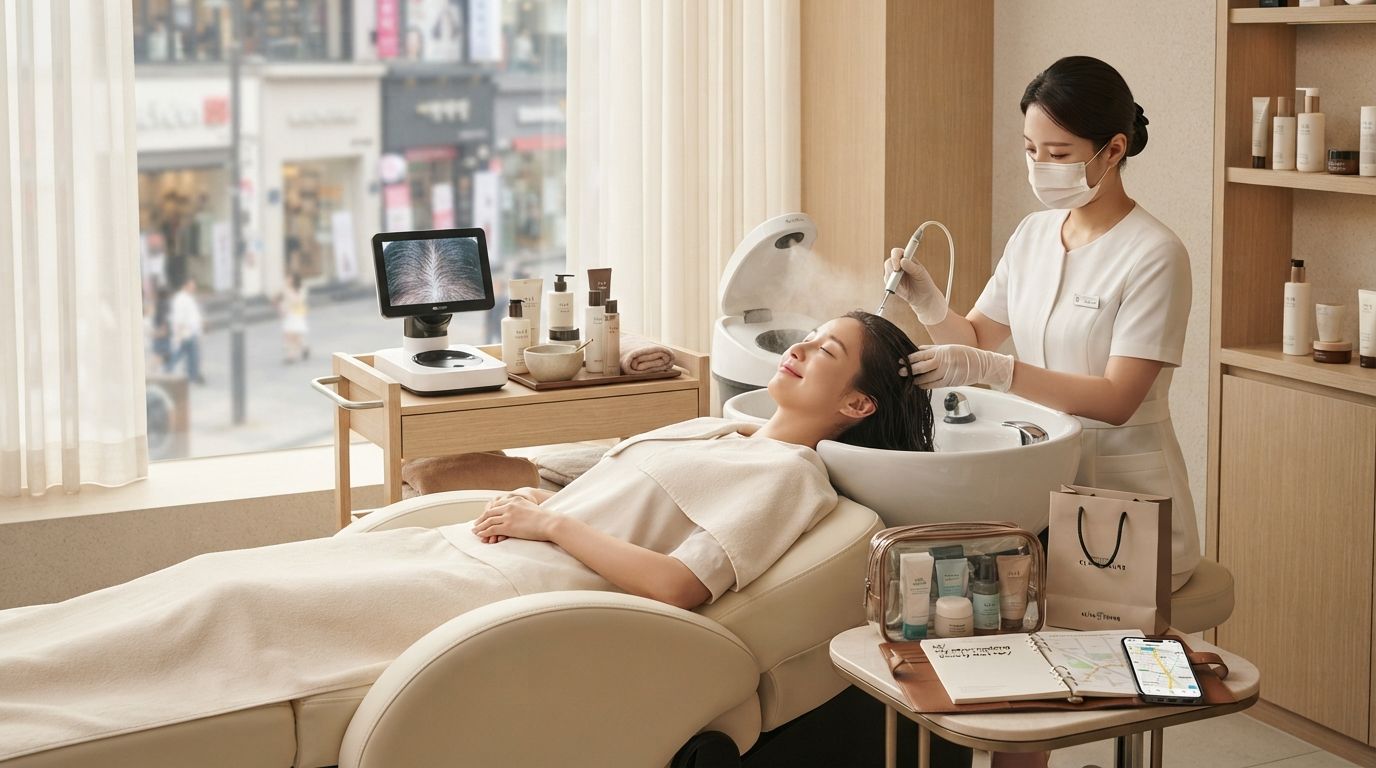
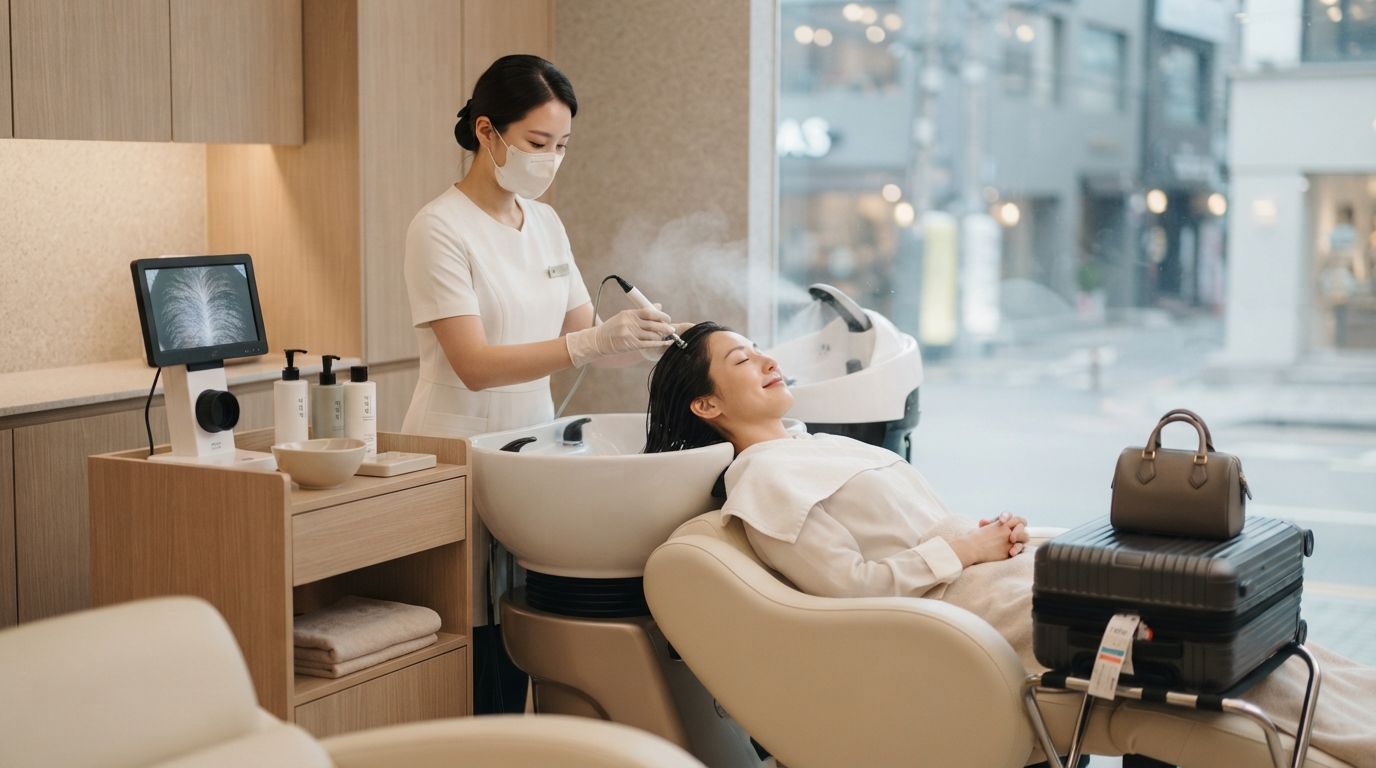
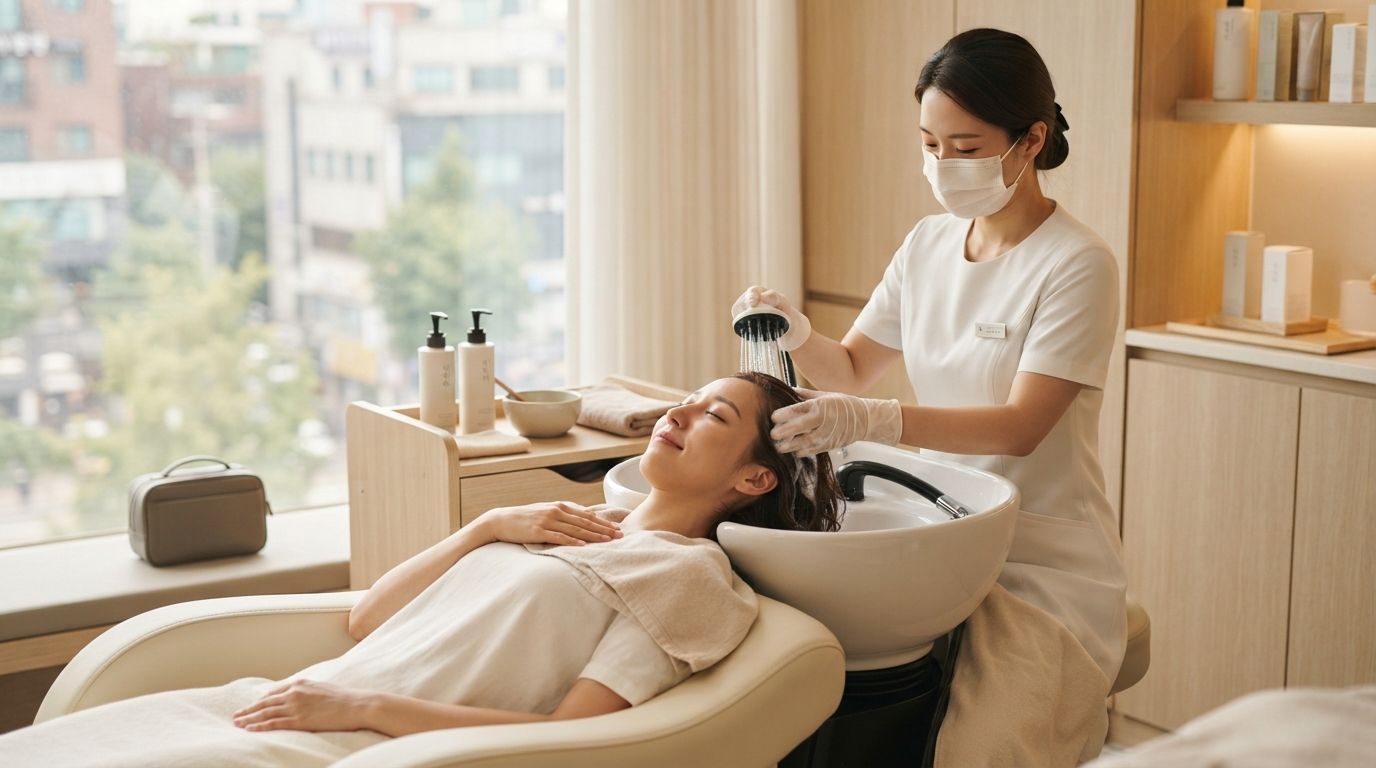
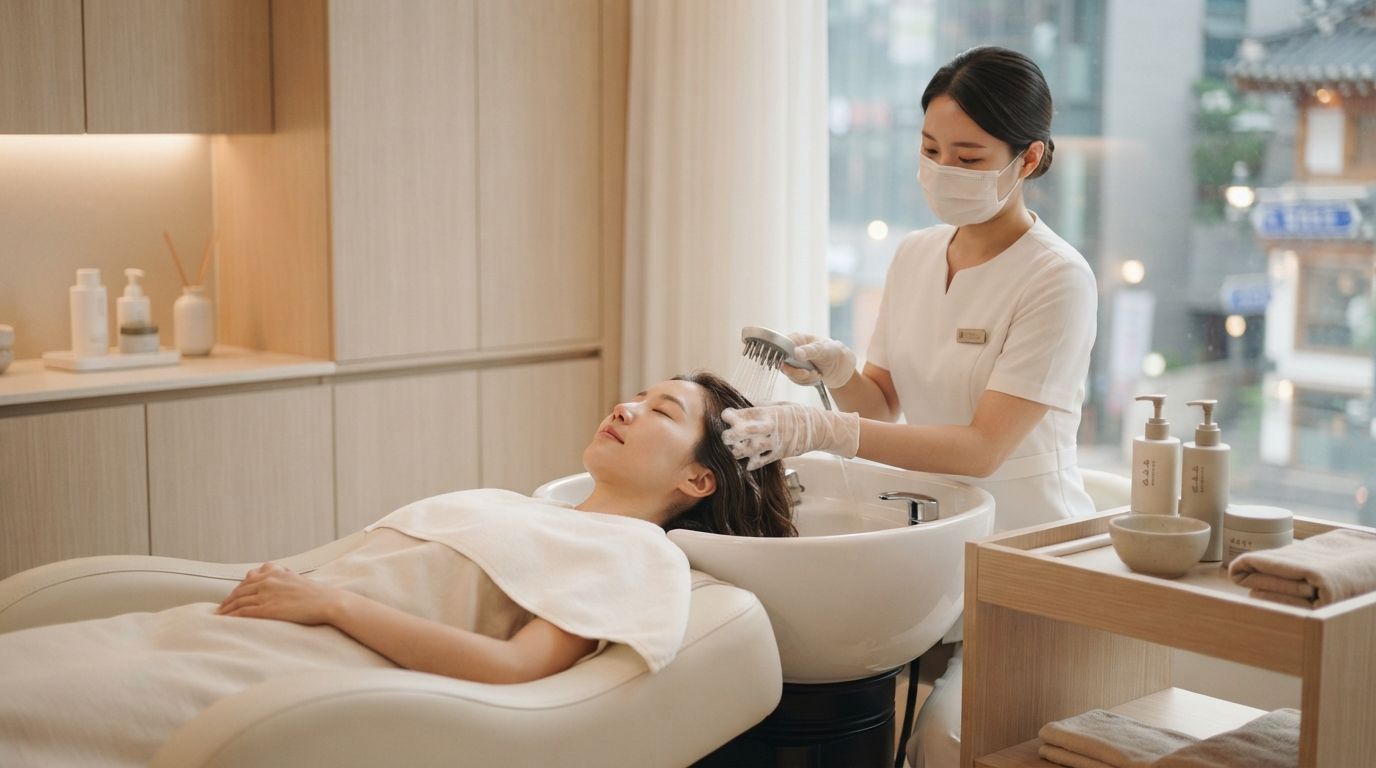
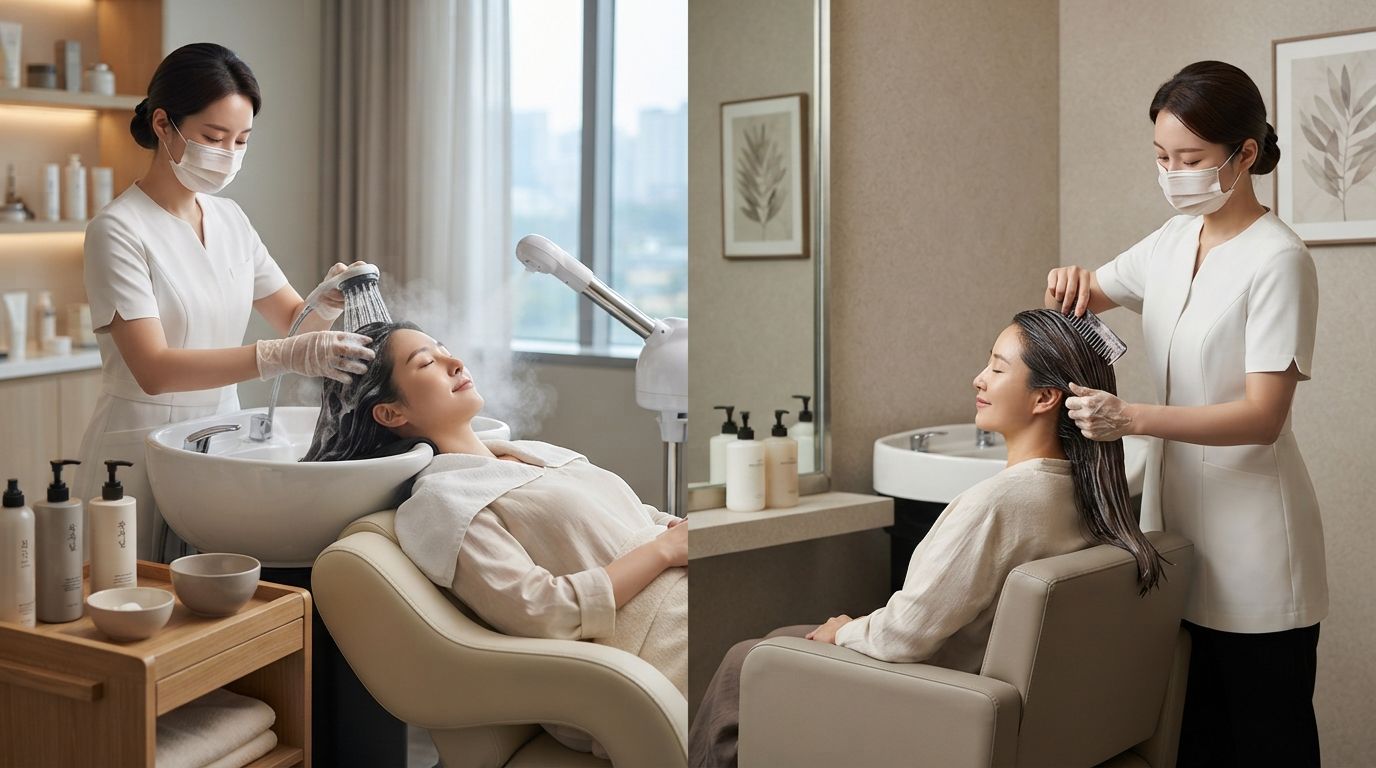
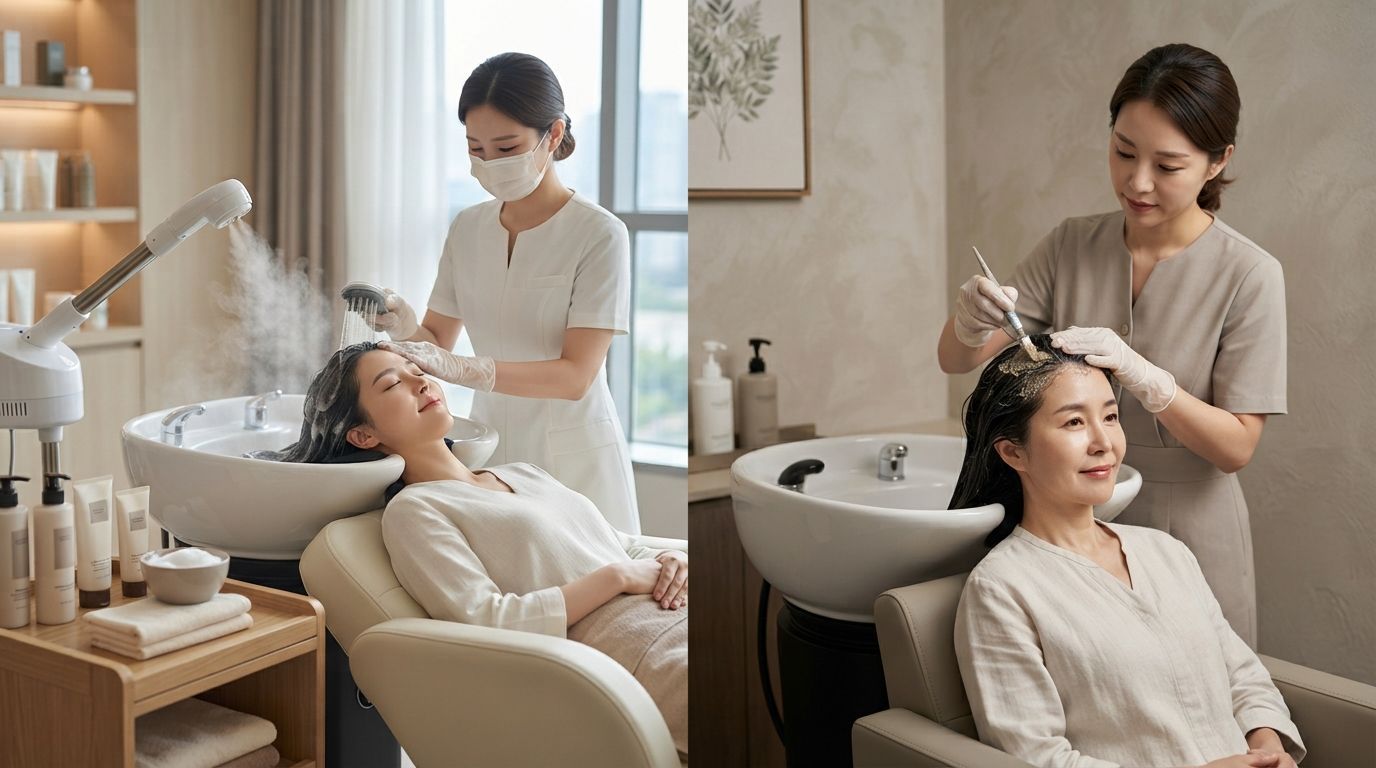
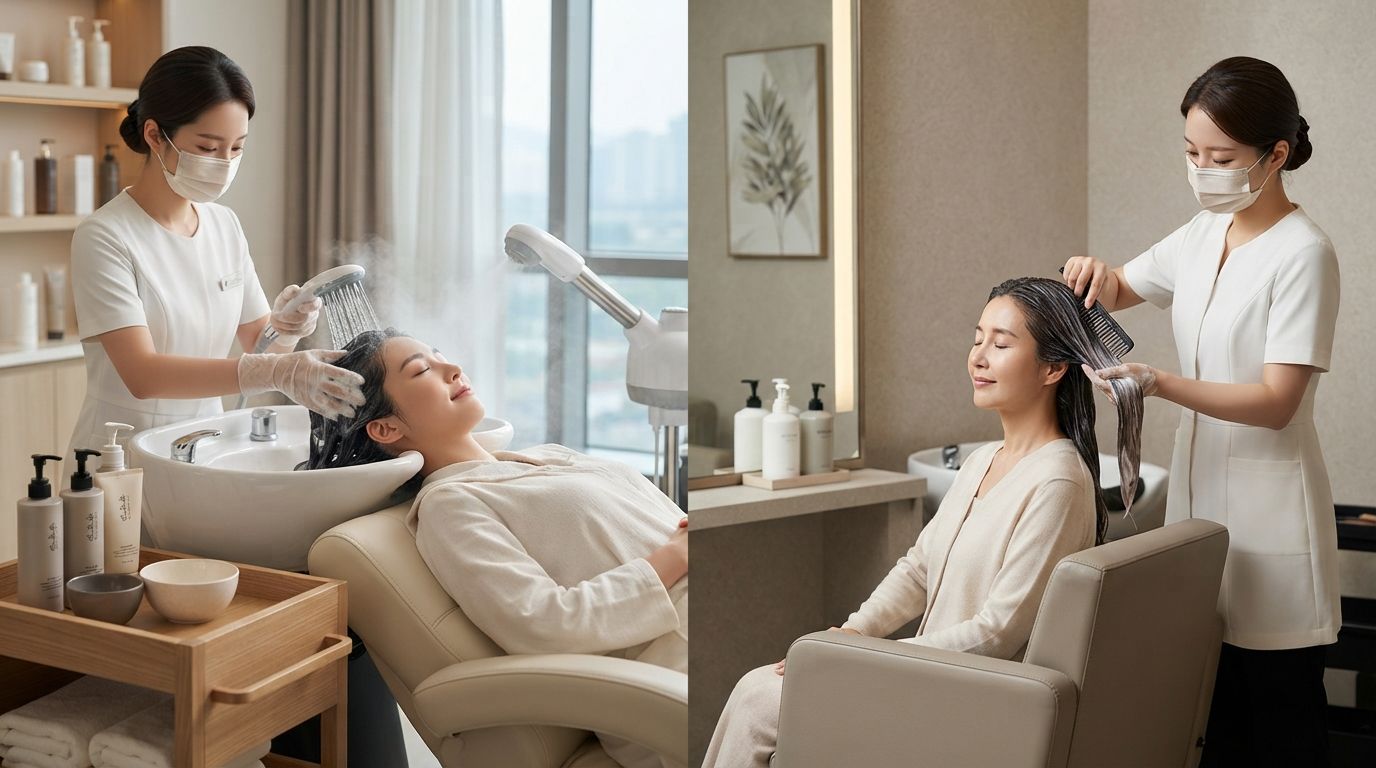
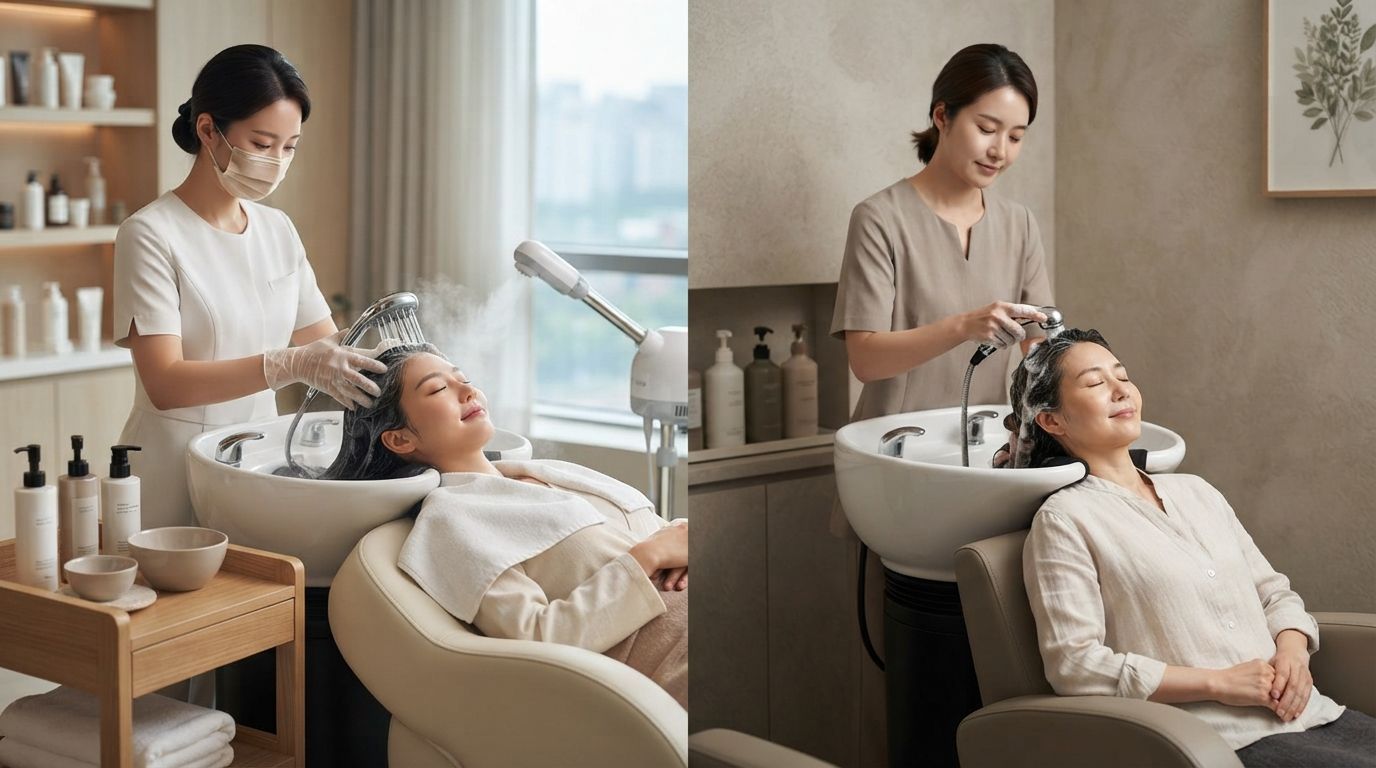
A scalp-care session may focus on removing accumulated sebum, dead skin cells, and styling-product residue. The exact process varies between providers and should be appropriate for the individual's scalp sensitivity.
Aggressive scrubbing is not necessarily better. Excessive mechanical cleansing or irritating products can aggravate an already sensitive scalp.
Treatment for Seborrheic Dermatitis
When excess sebum occurs alongside greasy scales, itching, or inflammation, treating the underlying seborrheic dermatitis may be more appropriate than repeatedly performing cosmetic scalp cleansing.
Dermatologists may use medicated shampoos and, when necessary, topical antifungal or anti-inflammatory treatments. Treatment is often aimed at controlling flare-ups and maintaining the scalp rather than providing a permanent cure.
Patients interested in a broader Korean scalp treatment can also explore treatment options based on their specific scalp condition rather than choosing a cleansing procedure solely because the scalp feels oily.
How Is Excess Sebum Scalp Treatment Performed?
The exact process depends on whether the treatment is medical or cosmetic, but an assessment may involve:
- Scalp examination – The provider evaluates oiliness, scaling, redness, irritation, and other visible findings.
- History and hair-care review – Recent products, washing habits, previous treatments, and symptoms may be discussed.
- Cause assessment – The provider determines whether the issue appears consistent with simple oiliness, buildup, dandruff, seborrheic dermatitis, or another condition.
- Treatment selection – A suitable cleansing, medicated, or combination approach can then be considered.
- Aftercare planning – The provider may recommend an appropriate washing routine or maintenance treatment.
Not every oily scalp requires a medical procedure. The treatment should match the underlying problem.
How Often Should an Oily Scalp Be Washed?
There is no single schedule that works for everyone. People with oily scalps may need to wash more frequently than people with dry or coarse hair. The American Academy of Dermatology notes that people with oily scalps may need frequent shampooing, while medicated dandruff shampoos are generally used according to their specific instructions.
Using dry shampoo as a substitute for regular washing can also allow oil, dead skin cells, and product residue to accumulate. Regular shampooing with water remains important for scalp cleansing.
Risks and Limitations
Scalp treatments are not completely risk-free. Possible problems depend on the treatment and may include temporary dryness, irritation, burning, sensitivity, or worsening of an existing scalp condition.
Medicated products can also cause irritation in some individuals. For example, topical ketoconazole can cause burning, stinging, or irritation in treated areas.
Professional cleansing may improve the feeling and appearance of a buildup-heavy scalp, but it does not necessarily reduce the biological production of sebum. If oiliness repeatedly returns, identifying the underlying cause is more useful than continually increasing the intensity of cleansing.
Choosing a Scalp Treatment in Korea
When considering treatment in Korea, international patients should look beyond the name of the procedure. Useful questions include:
- Will my scalp be examined before treatment?
- Is the treatment cosmetic or medically indicated?
- What is causing the excess oil?
- Could dandruff or seborrheic dermatitis be involved?
- What products or active ingredients will be used?
- Could the treatment irritate sensitive skin?
- How often would treatment normally be needed?
- What maintenance care is recommended?
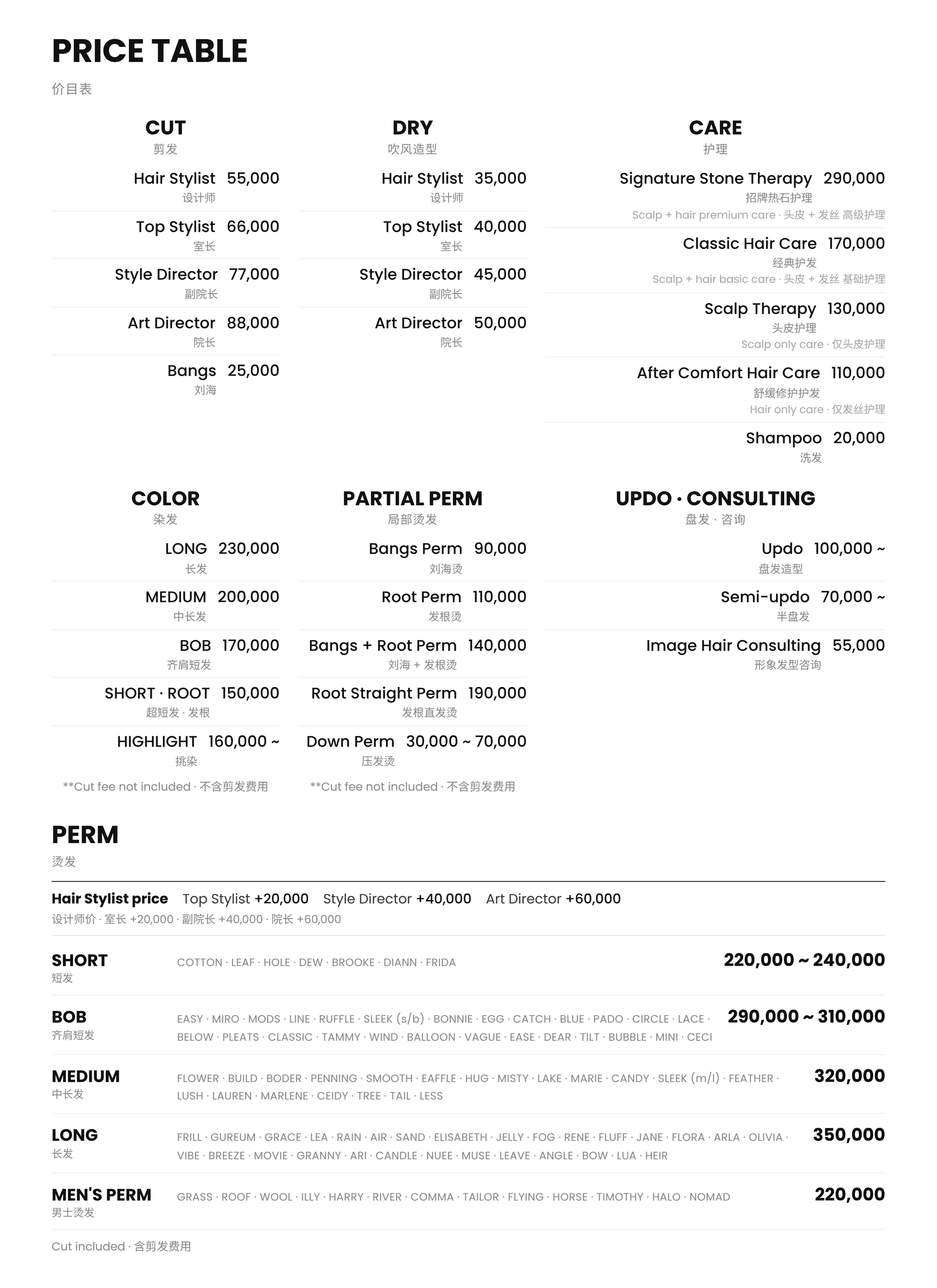
- What is included in the quoted treatment cost?
If you have persistent inflammation, significant scaling, pain, pus-filled bumps, or unexplained hair loss, a dermatology assessment may be more appropriate than a cosmetic scalp-cleaning session.
Conclusion
Excess sebum scalp treatment in Korea can range from professional scalp cleansing to medically supervised treatment for conditions such as dandruff or seborrheic dermatitis. The right approach depends on whether the primary problem is oil accumulation, product buildup, inflammation, or another scalp disorder.
For international patients, a scalp assessment before treatment can help prevent unnecessary procedures and ensure that persistent symptoms are evaluated appropriately. Results and treatment frequency vary, so expectations should be discussed with a qualified professional.
FAQs
Is excess sebum on the scalp a medical condition?
Not always. Some people naturally have an oily scalp. However, persistent oiliness with itching, inflammation, or greasy scaling can occur with conditions such as seborrheic dermatitis and may warrant professional assessment.
Can scalp treatment permanently stop excess sebum?
Generally, scalp cleansing does not permanently stop sebum production. Treatment is usually focused on managing oiliness and addressing any underlying scalp condition.
What treatment is used for oily scalp with dandruff?
Depending on the diagnosis, a dermatologist may recommend a medicated dandruff shampoo or other topical treatment. Ingredients such as ketoconazole, selenium sulfide, salicylic acid, and zinc pyrithione may be used in appropriate products.
How often should oily hair be washed?
People with oily scalps may need more frequent washing, sometimes daily or every other day, depending on their hair and scalp characteristics. Medicated shampoos should be used according to their instructions or professional advice.
Is professional scalp cleansing suitable for everyone?
No. If the scalp is inflamed, painful, severely itchy, or affected by a medical condition, aggressive cleansing may be inappropriate. A professional assessment can help determine whether cleansing or medical treatment is more suitable.