Scalp Analysis for Dry Scalp
Scalp Analysis for Dry Scalp
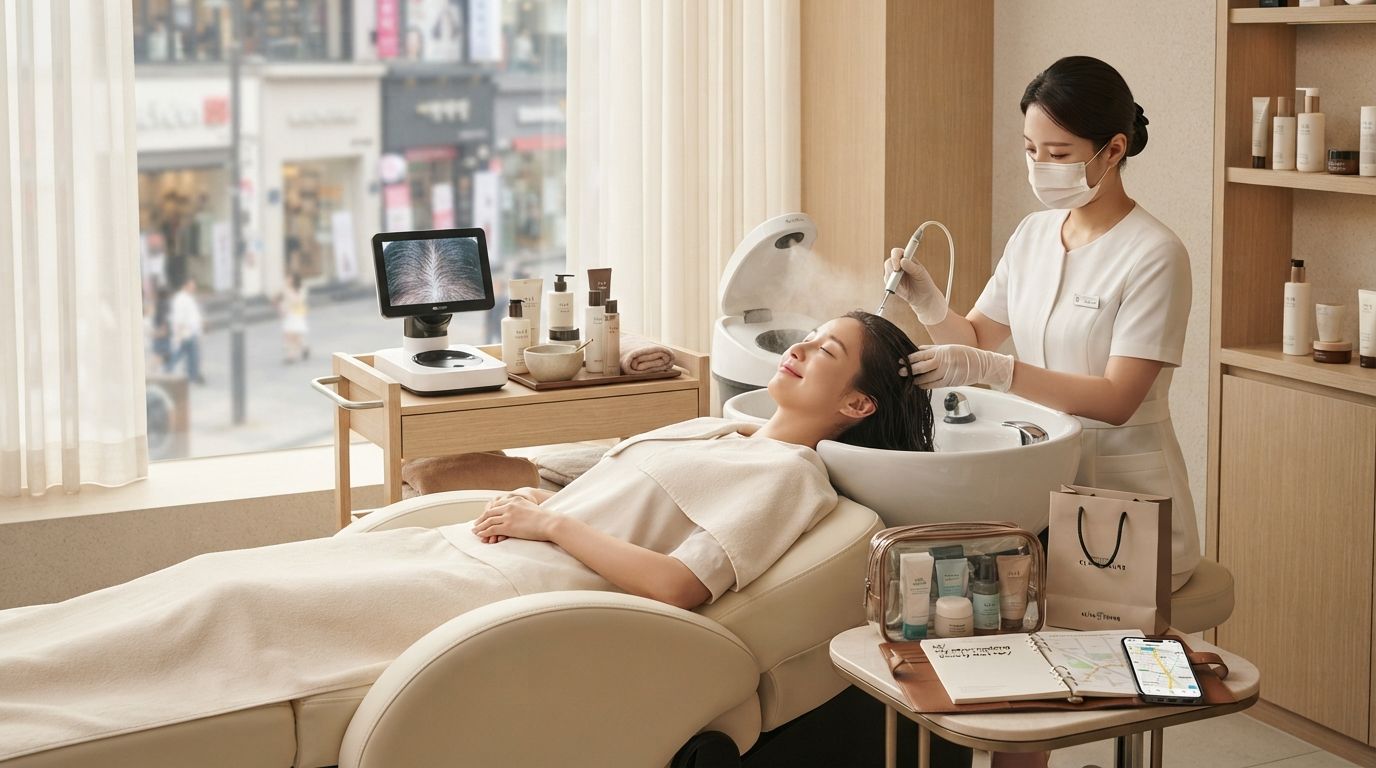
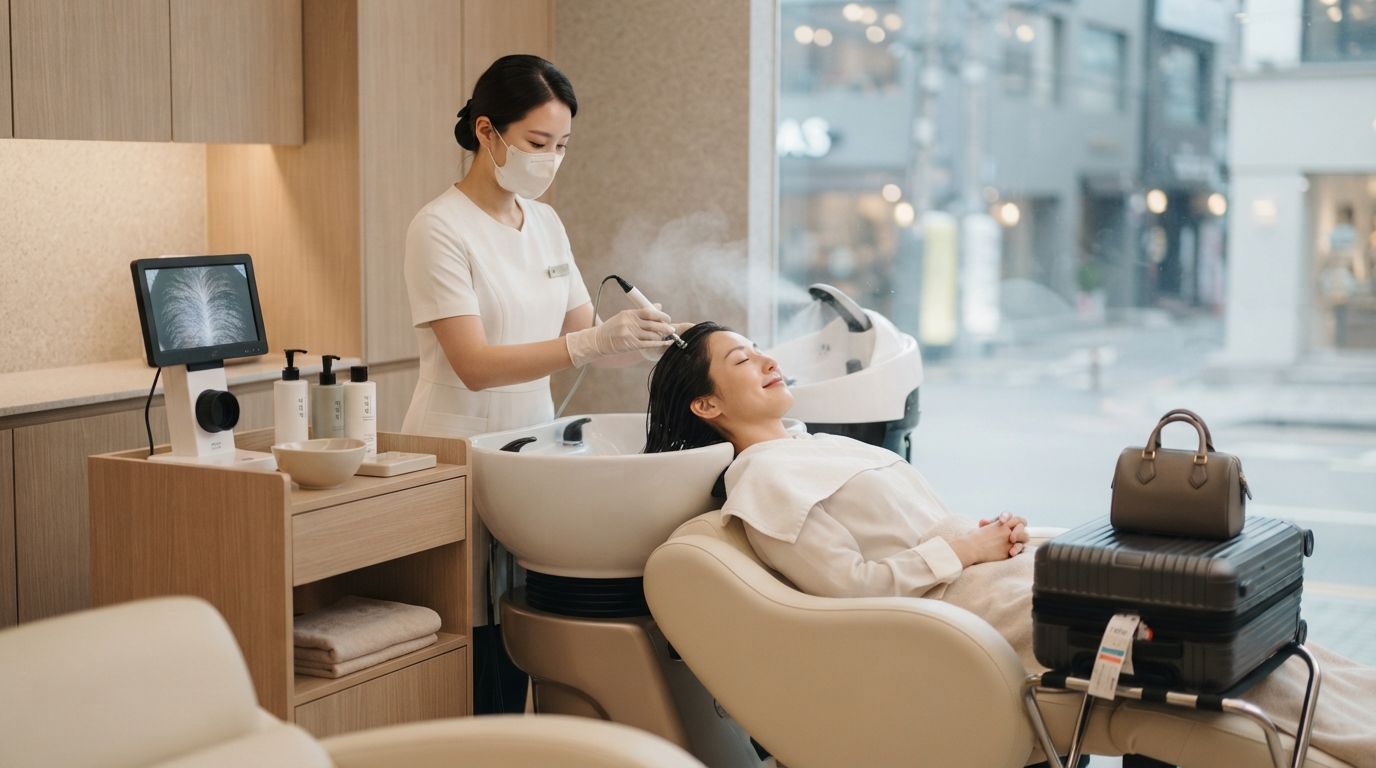
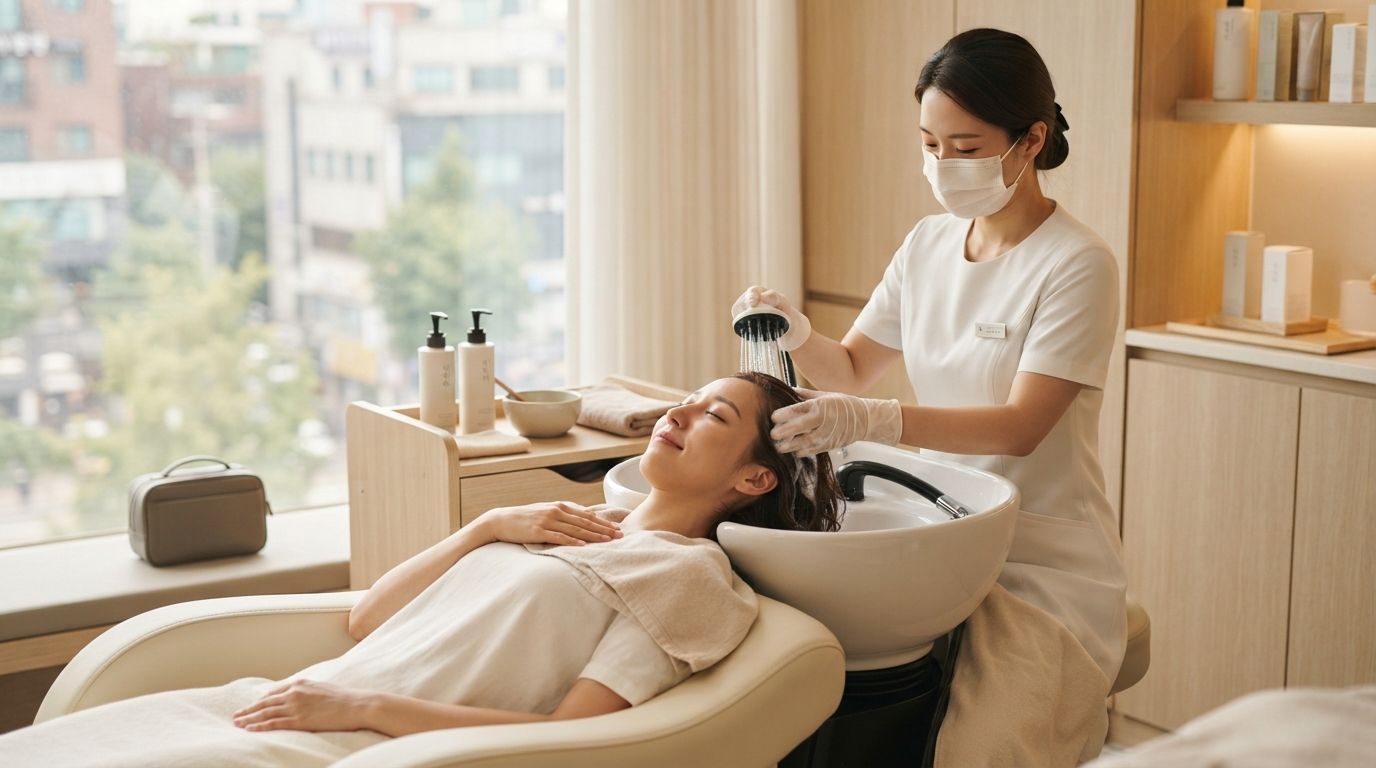
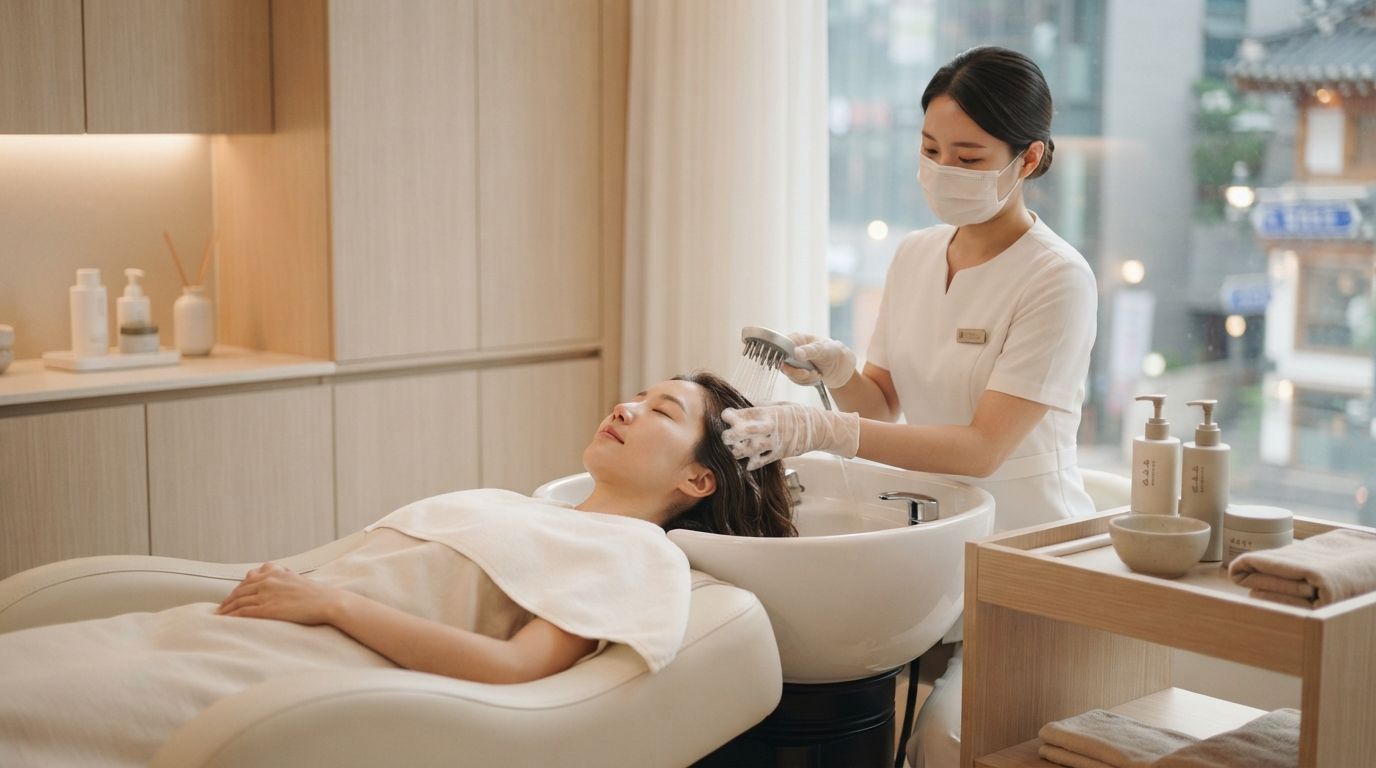
Scalp analysis for dry scalp uses magnified imaging or digital scalp-analysis equipment to examine visible dryness, flaking, redness, buildup, and other scalp characteristics. Depending on the device, it may also assess oiliness or hydration-related measurements.
For people experiencing a tight, dry, or flaky scalp, a camera-based analysis can provide a closer look at the scalp surface before choosing a Korean head spa or cosmetic scalp-care treatment. However, a scalp camera cannot independently diagnose the cause of dryness or determine whether a medical condition is present.
What Does Scalp Analysis Show for Dry Scalp?
A scalp camera magnifies areas of the scalp so that details difficult to see with the naked eye become easier to examine.
Depending on the equipment, a dry-scalp analysis may highlight:
- Visible flakes or scaling
- Areas that appear dry
- Redness or visible irritation
- Oil and sebum distribution
- Product or dead-skin buildup
- Follicle openings and surrounding skin
Some advanced systems use digital imaging or software-assisted measurements to assess several scalp characteristics. The available features vary by device and provider.
Can a Scalp Camera Detect Dryness?
A scalp camera can show visual features that may be associated with dryness, such as flaking or a rough-looking scalp surface.
However, visible dryness is not the same as a direct measurement of skin hydration. A camera image alone may not establish how much moisture the scalp contains.
Some specialized devices include separate sensors or measurements intended to assess hydration or related skin characteristics. Ask the provider whether the equipment actually measures hydration or simply displays magnified images.
What Do Dry Scalp Flakes Look Like?
Magnified imaging may make small flakes and scaling easier to see.
A practitioner may examine whether flakes appear in particular areas, whether there is visible buildup around hair roots, and whether redness is also present.
But flakes can have different causes. Dry skin, dandruff, irritation from hair products, and certain scalp disorders may produce overlapping symptoms.
A scalp camera can show what is visible; it cannot reliably determine the cause of flaking on its own.
Can a Dry Scalp Also Be Oily?
Yes. Dryness and oiliness are not always mutually exclusive.
A scalp may show visible oil while also having flakes or irritation. Different areas can also appear different from one another.
This is why an assessment that looks at multiple characteristics can be more informative than simply labeling the scalp as “dry” or “oily.”
A provider should explain which features are actually visible and avoid assuming that all flakes indicate the same problem.
Can Scalp Analysis Detect Irritation?
Some scalp cameras and imaging systems can make visible redness or changes in the scalp surface easier to examine.
This may help identify areas that look irritated and support a discussion about whether a gentle cosmetic treatment is appropriate.
However, imaging cannot independently establish the cause of irritation. If you experience persistent itching, burning, pain, sores, or significant redness, consider a medical assessment instead of relying only on a head-spa consultation.
What Happens During a Dry Scalp Analysis in Korea?
The process varies between scalp-care centers, but a typical session may include the following steps.
1. Scalp Consultation
The practitioner may ask about dryness, flaking, washing habits, hair products, recent chemical treatments, and any discomfort.
Be sure to mention itching, burning, tenderness, or other symptoms rather than focusing only on the appearance of your scalp.
2. Digital Imaging
A magnifying camera or scalp-analysis device is used to examine selected areas.
Depending on the equipment, the practitioner may capture images of flakes, visible redness, oil distribution, or other scalp features.
3. Results Explanation
The practitioner reviews the images and explains what can be observed.
Ask whether any hydration-related result is an actual measurement or an estimate based on the images.
4. Scalp-Care Discussion
For cosmetic concerns, recommendations may include gentle cleansing, avoiding unnecessary exfoliation, or choosing products suitable for your scalp.
A responsible provider should consider sensitivity and explain the purpose of each recommended step.
Is Scalp Analysis Useful Before a Korean Head Spa?
It can be helpful if you want to understand the visible condition of your scalp before treatment.
For example, if your scalp appears dry or sensitive, you can discuss whether a gentler service is more appropriate than intensive cleansing or exfoliation.
However, scalp analysis is not essential for everyone. The value depends on the equipment, the quality of the explanation, and whether the findings meaningfully inform your care.
A scalp scan should not be used to pressure you into buying a treatment or imply that normal variations are medical problems.
What Should You Avoid if Your Scalp Is Dry?
If your scalp feels dry or sensitive, consider discussing the following with your provider:
- Whether intensive exfoliation is appropriate
- Whether strongly fragranced products could irritate your scalp
- Whether hot water or vigorous scrubbing should be avoided
- Whether your current hair-care routine may be contributing to discomfort
- Whether symptoms warrant medical assessment
Avoid assuming that stronger cleansing will solve dryness. Excessive washing, harsh products, or aggressive scalp treatments may worsen irritation for some people.
When Should You See a Dermatologist?
A cosmetic scalp analysis may be sufficient for someone simply curious about visible scalp characteristics. Persistent or concerning symptoms deserve a different approach.
Consider medical evaluation if you experience:
- Severe or ongoing itching
- Persistent redness or burning
- Painful areas, sores, or crusting
- Significant or worsening flaking
- Sudden or progressive hair loss
- Symptoms that do not improve with routine care
A dermatologist can assess your history and examine your scalp to determine whether further investigation or treatment is appropriate.
Scalp Analysis for International Visitors in Seoul
Visitors to Seoul may encounter scalp analysis as part of a Korean head-spa or scalp-care experience. Before booking, check what the service actually includes.
Useful questions include:
- Is the analysis based on a camera, a sensor, or both?
- Does the device measure hydration or only show magnified images?
- Can I see and receive an explanation of the images?
- Is the service cosmetic or medical?
- Are the recommended treatments optional?
- Is English-language support available?
These details can help you choose a service that matches your needs without confusing cosmetic scalp care with medical assessment.
Final Thoughts
Scalp analysis for dry scalp can provide a closer view of visible flakes, scaling, redness, oil distribution, and other scalp characteristics. Some devices may also offer hydration-related measurements, depending on their technology.
For a Korean head spa, this information can help guide a discussion about gentle scalp care. But a scalp camera cannot independently diagnose the cause of dryness, flaking, or irritation.
If symptoms are persistent, severe, or accompanied by hair loss or painful inflammation, seek appropriate medical advice.
Frequently Asked Questions
Can a scalp camera detect dry scalp?
It can show visible features associated with dryness, such as flakes or scaling. Whether a device measures hydration directly depends on its equipment.
Can scalp analysis tell the difference between dry scalp and dandruff?
Not reliably by itself. Both may involve visible flakes, and determining the cause may require a clinical assessment.
Can a dry scalp have excess oil?
Yes. Oiliness and visible dryness or flaking can occur together, so several scalp characteristics may need to be considered.
Should I get scalp analysis before a head spa?
It may be useful if you want to see your scalp more closely or discuss a suitable treatment. It is not necessary for everyone.
Is scalp analysis painful?
Standard camera-based scalp analysis is non-invasive and generally painless.
When should I seek medical advice for a dry scalp?
Consider medical evaluation if dryness is persistent or severe, or if it occurs with ongoing itching, burning, painful areas, sores, significant inflammation, or hair loss.