Scalp Analysis for Oily Scalp
Scalp Analysis for Oily Scalp
Scalp analysis for an oily scalp uses magnified imaging or digital scalp-analysis equipment to examine oil and sebum levels, buildup, follicle openings, visible flakes, redness, and other scalp characteristics. Some advanced systems can also measure scalp oiliness and sebum distribution in different areas.
For people who feel that their hair becomes greasy quickly, a scalp analysis can help show whether excess surface oil or buildup is visible and whether different areas of the scalp have different characteristics. It can also help guide cosmetic scalp-care treatments. However, an oily scalp analysis is not the same as a medical diagnosis.
What Does a Scalp Analysis Show for Oily Scalp?
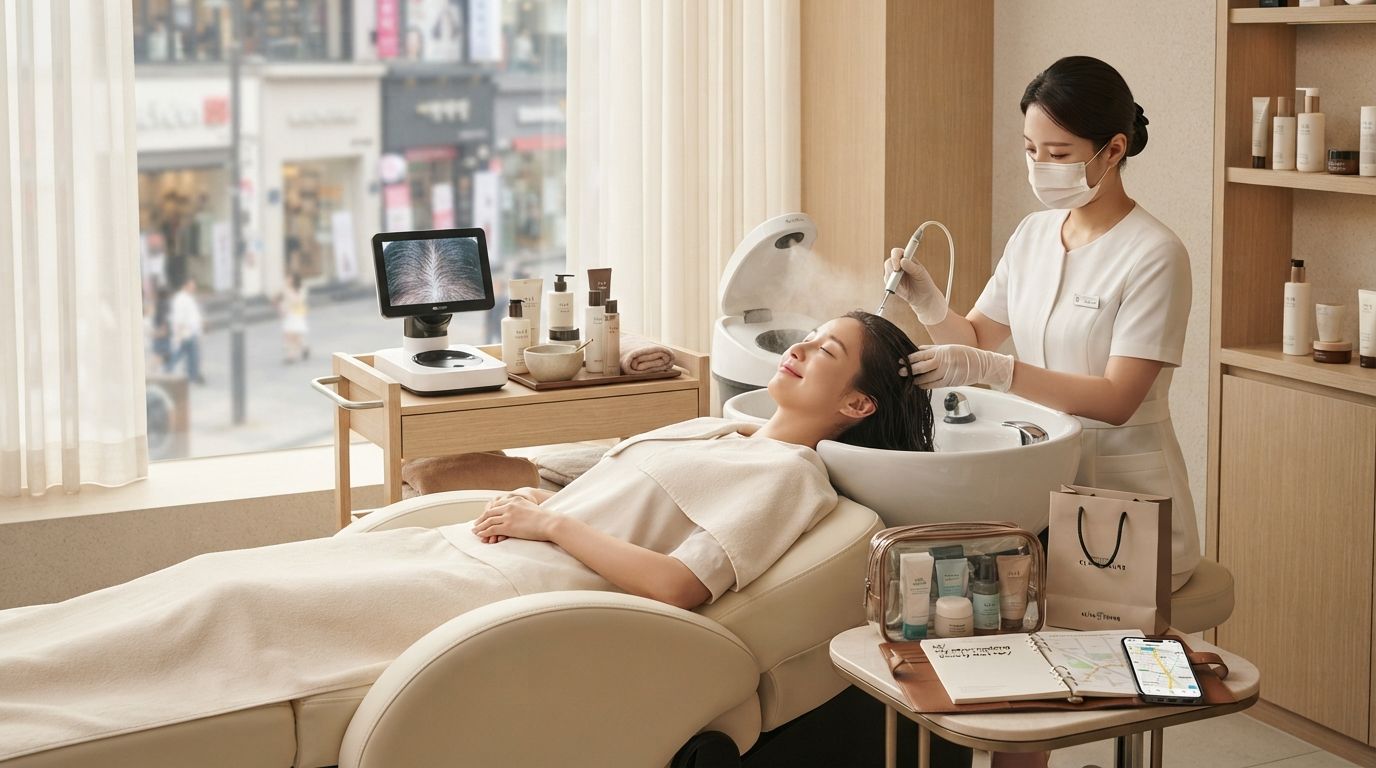
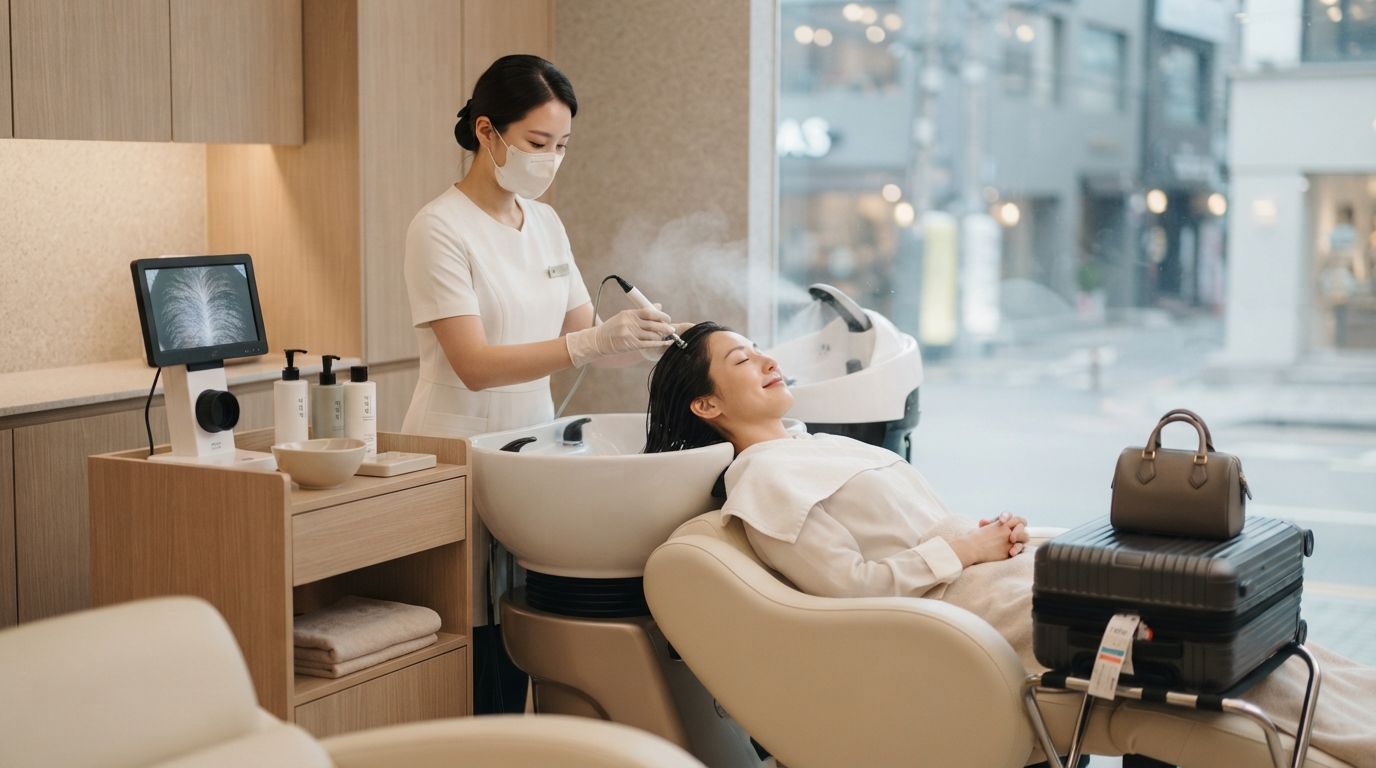
A digital scalp camera can magnify the scalp and hair roots so that features that are difficult to see normally become easier to examine.
Depending on the equipment, the analysis may look at:
- Visible oil and sebum
- Sebum accumulation around follicle openings
- Product and dead-skin buildup
- Dryness or visible flakes
- Redness or irritation
- Follicle appearance
- Hair density and thickness
Advanced Korean scalp-analysis systems can use different lighting and magnification levels to examine oiliness, dryness, dandruff, dead skin, redness, and other visible characteristics.
How Can a Scalp Camera Detect Oiliness?
Oiliness can be difficult to judge accurately just by touching your hair or looking in the mirror.
A magnified camera can show the scalp surface and hair roots in greater detail. Some systems specifically assess reflected light, shine, and patterns of sebum accumulation to evaluate scalp oiliness.
The results may help identify whether oil appears concentrated in particular areas or is more evenly distributed across the scalp.
This can be useful when deciding whether a cleansing-focused scalp treatment is appropriate.
What Does Excess Sebum Look Like?
Under magnification, excess sebum may appear as oily or shiny areas around the scalp and follicle openings.
Some digital systems specifically analyze sebum accumulation around pores and hair roots.
A scalp with excess oil may also be associated with:
- Hair becoming greasy soon after washing
- Flat or weighed-down hair
- Visible buildup around the roots
- Scalp odor
- Oily flakes
These observations can help describe the current condition of the scalp, but they do not necessarily indicate a scalp disease.
Can Scalp Analysis Show Buildup?
Yes. One of the practical uses of magnified scalp imaging is identifying visible buildup.
A camera may reveal accumulated:
- Sebum
- Dead skin
- Styling-product residue
- Other surface deposits
This can be particularly useful for people who frequently use styling products, dry shampoo, hair oils, or other products that may leave residue.
A provider may use these observations when deciding whether a cleansing or scalp-scaling treatment is appropriate.
Can an Oily Scalp Also Be Dry?
Yes. Oiliness and dryness are not always mutually exclusive.
A scalp may have visible oil while also showing flakes or signs of surface dryness. Different areas of the scalp can also have different characteristics.
This is one reason scalp analysis can be more useful than simply classifying someone as having an "oily scalp." Advanced analysis systems can examine multiple parameters, including sebum, hydration, redness, and other characteristics.
Does an Oily Scalp Mean You Need Deep Cleansing?
Not necessarily.
If your scalp appears oily, the appropriate level of cleansing depends on the overall condition of the scalp and how sensitive it is.
Aggressive cleansing is not automatically better. The goal of cosmetic scalp care is generally to remove excess oil and buildup without unnecessarily irritating or drying the scalp.
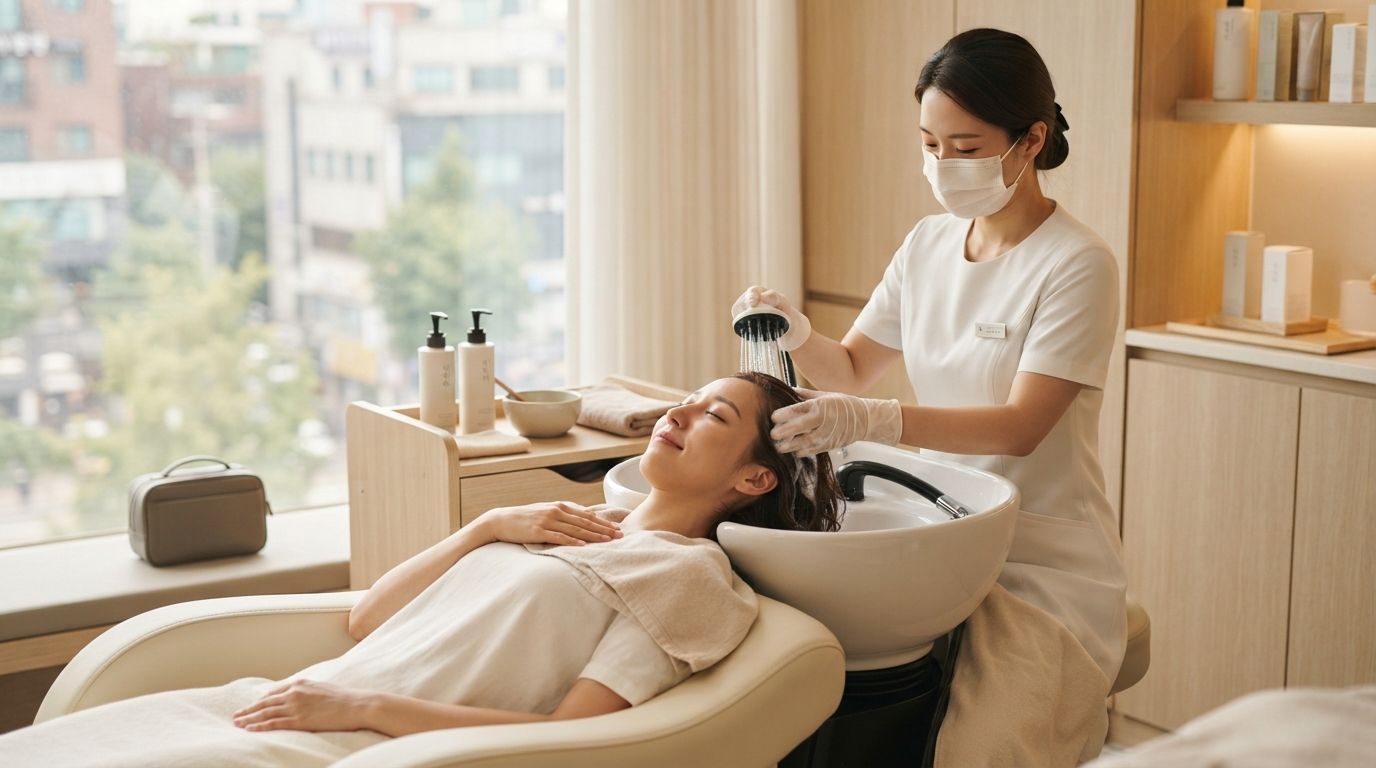
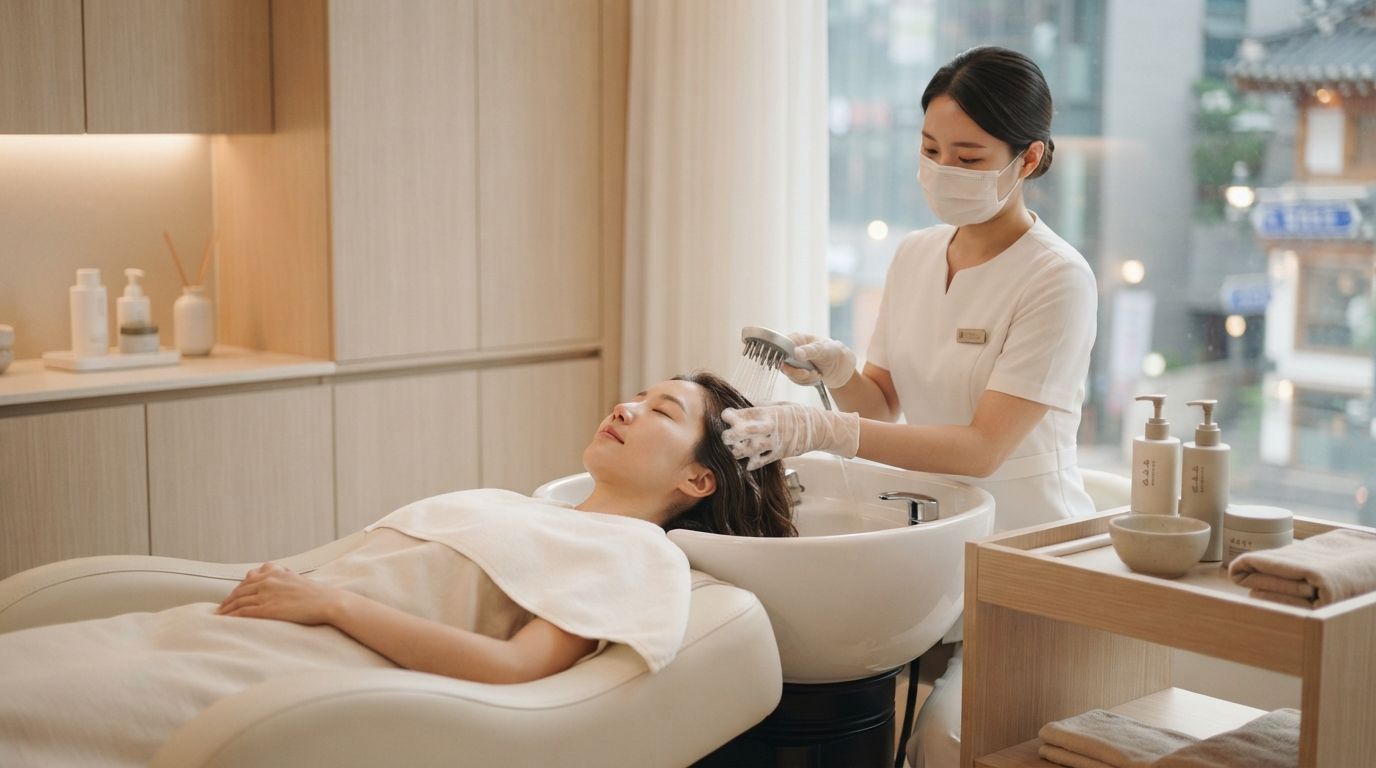
Some Korean head-spa programs use scalp analysis before treatment to determine whether cleansing, scaling, or other care is appropriate for the individual's scalp.
What Happens During an Oily Scalp Analysis?
The process varies by provider, but a typical assessment may include several steps.
1. Scalp Consultation
You may be asked about how quickly your hair becomes oily, how frequently you wash it, which products you use, and whether you experience flakes, itching, or discomfort.
2. Digital Scalp Imaging
A magnifying camera is used to photograph selected areas of the scalp.
Some systems use different magnifications and lighting conditions to highlight oiliness, flakes, dryness, redness, or other features.
3. Results Review
The practitioner explains what can be seen in the images and identifies areas with more visible oil or buildup.
4. Scalp-Care Recommendation
Depending on the findings, recommendations may include cleansing, exfoliation, hydration, or other cosmetic scalp-care steps.
The recommendation should be based on the observed scalp condition rather than simply assuming that every oily scalp requires intensive treatment.
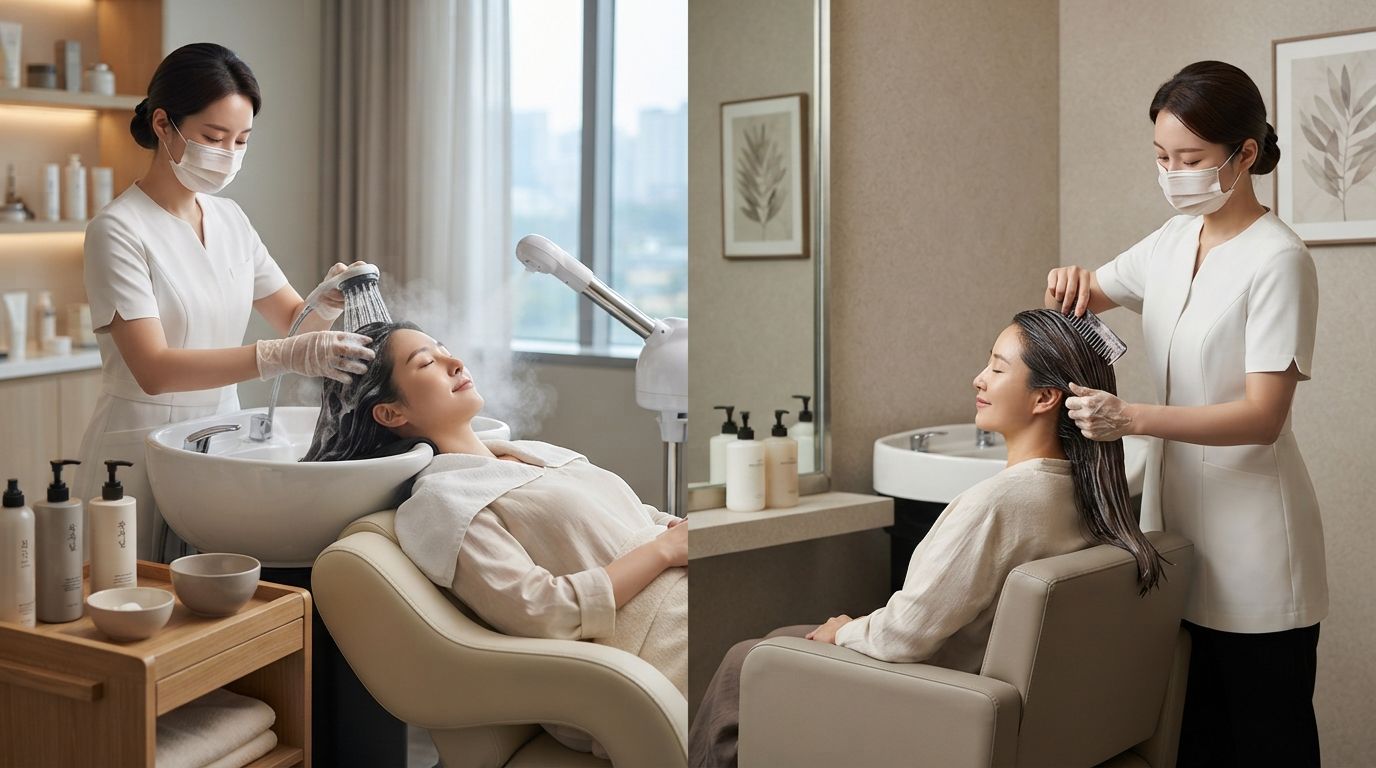
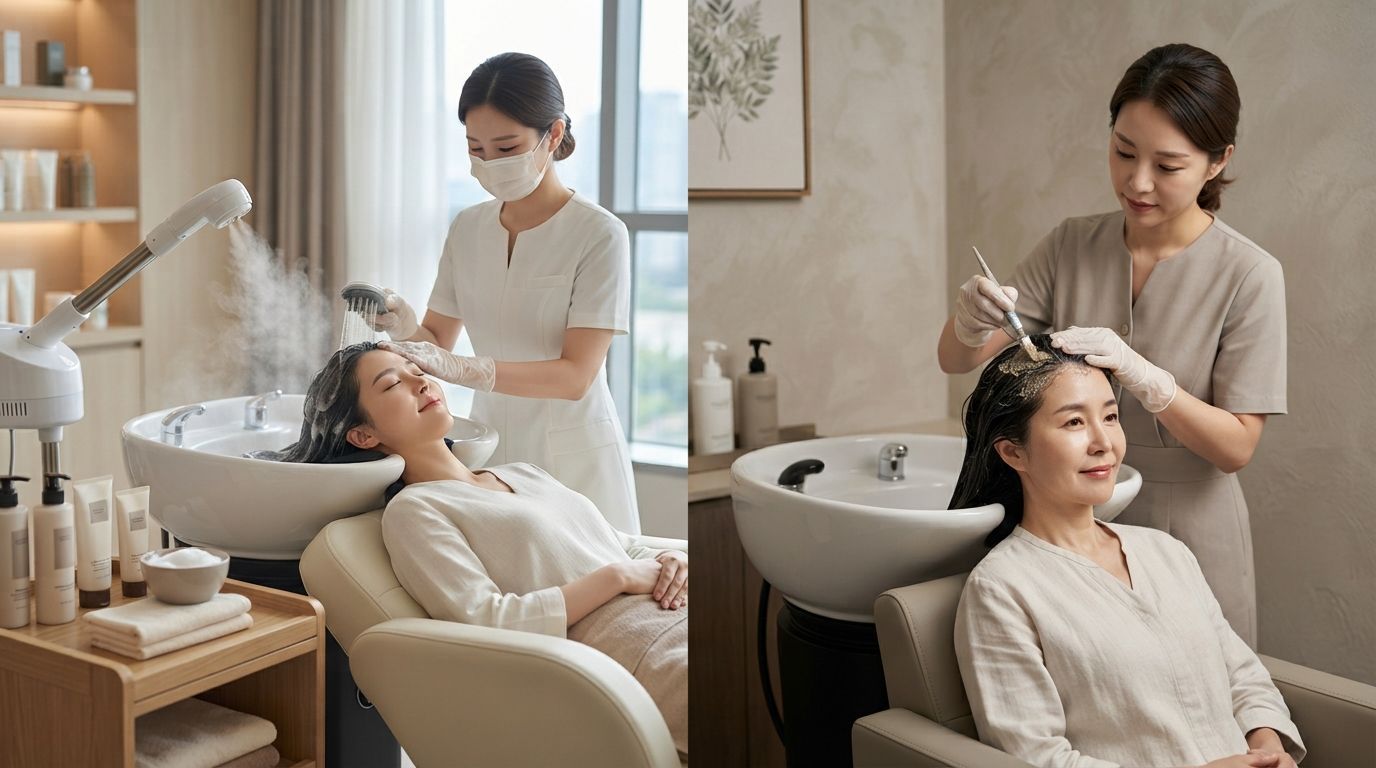
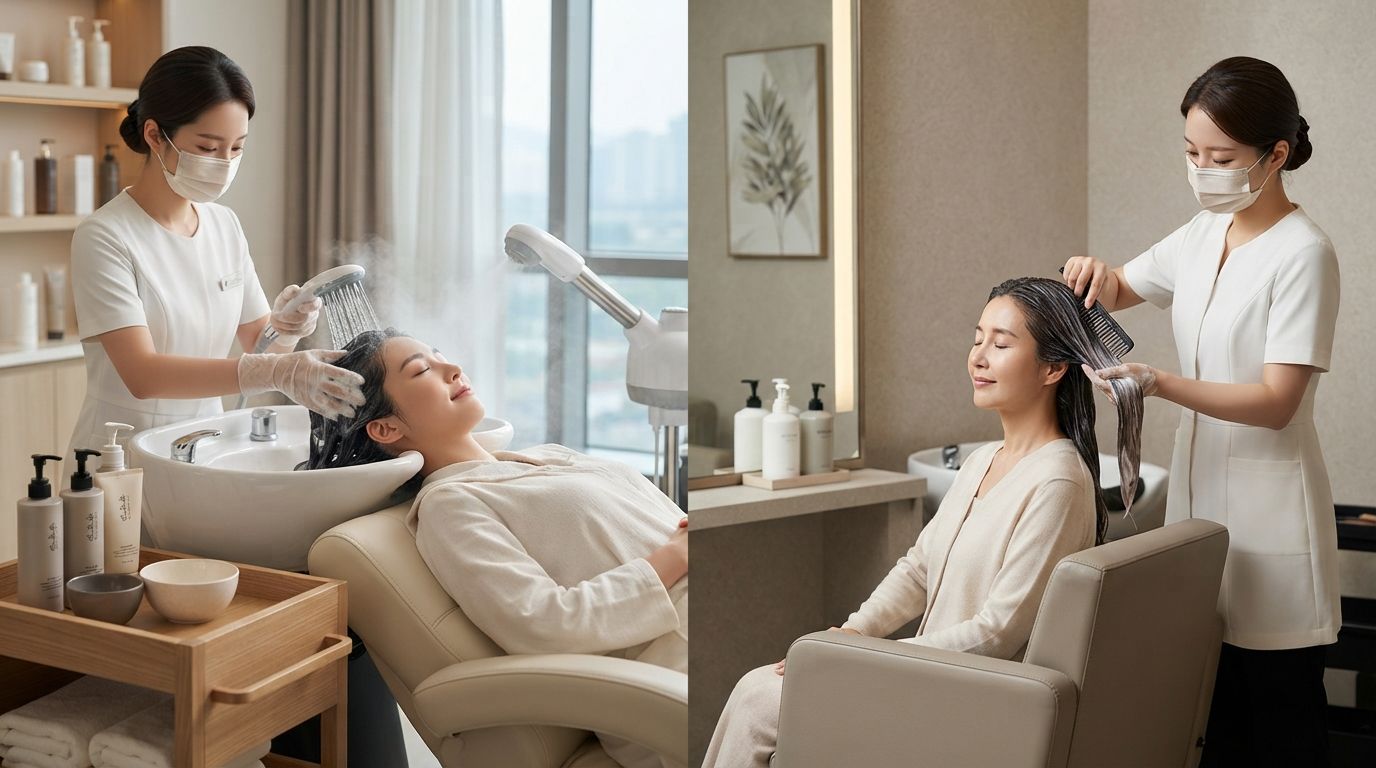
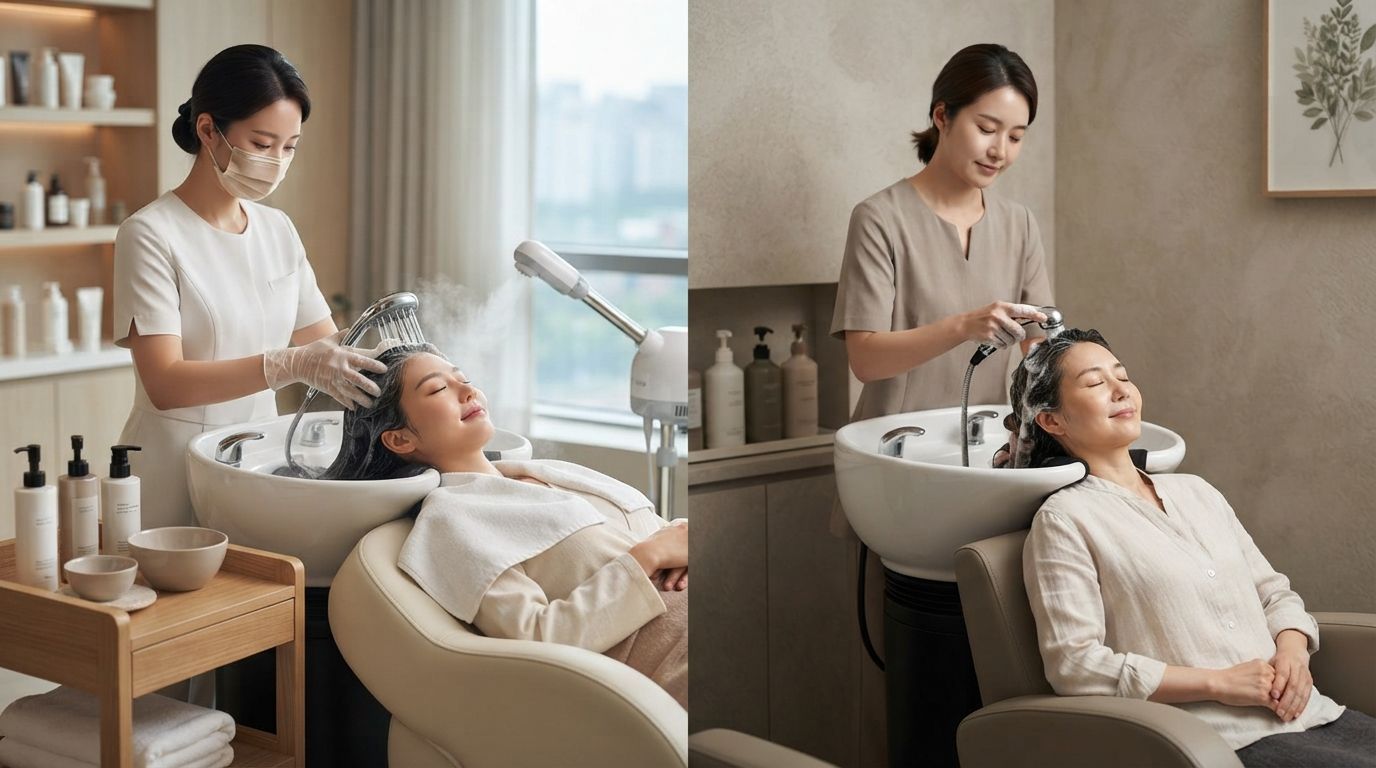
Oily Scalp Analysis Before a Korean Head Spa
Scalp analysis can be particularly useful before a head spa because it provides a visual starting point.
Instead of choosing a treatment solely because your hair feels greasy, you can see whether there is visible oil or buildup and discuss the findings with the practitioner.
Some Korean head-spa programs specifically use scalp cameras to examine oiliness, dead skin, and redness before beginning treatment.
This can make the treatment more personalized, although the exact services and equipment differ between providers.
Is Scalp Analysis for Oily Scalp a Medical Diagnosis?
Usually not.
A cosmetic scalp analysis can document visible oil, buildup, flakes, and other surface characteristics. It does not automatically determine the medical cause of excessive oil production.
If your oily scalp is accompanied by persistent itching, significant redness, painful areas, sores, severe scaling, or other ongoing symptoms, consider a medical evaluation.
A camera can provide useful visual information, but clinical diagnosis requires appropriate professional assessment.
What Should You Ask During the Analysis?
If you are having an oily-scalp analysis, consider asking:
- How much visible oil or sebum is present?
- Is the oil evenly distributed?
- Is there buildup around the follicles?
- Are there also signs of dryness or flaking?
- Does my scalp appear sensitive or irritated?
- What type of treatment is being recommended and why?
- Is the recommendation cosmetic or medical?
These questions can help you understand the difference between what the camera shows and what the practitioner recommends.
Final Thoughts
Scalp analysis for an oily scalp can provide a closer look at sebum, oil distribution, buildup, follicle openings, flakes, redness, and other visible scalp characteristics. More advanced digital systems can quantify or compare certain measurements.
For people interested in Korean head spas, the analysis can be a useful way to understand an oily or congested scalp before selecting a cleansing or scalp-care treatment.
However, an oily scalp is not automatically a medical condition, and digital imaging alone cannot determine the cause of persistent scalp symptoms. When symptoms are ongoing or severe, professional medical assessment may be more appropriate.
Frequently Asked Questions
Can a scalp camera detect excess oil?
Yes. Magnified and digital scalp-analysis systems can show visible oiliness and, depending on the equipment, assess sebum accumulation and distribution.
Can scalp analysis show clogged follicles?
It can show visible buildup or material around follicle openings. However, the term "clogged follicles" should not automatically be interpreted as a medical diagnosis.
How often should an oily scalp be analyzed?
There is no universal schedule. For cosmetic scalp care, analysis may be useful when your scalp condition changes or before selecting a new treatment. Routine repeated imaging is not necessarily required for everyone.
Can an oily scalp cause hair thinning?
An oily scalp and hair thinning can occur together, but visible oiliness alone does not establish the cause of hair loss. Persistent or progressive thinning should be assessed appropriately.
Should I wash my hair before an oily scalp analysis?
Follow the provider's preparation instructions. Avoid deliberately making your scalp excessively oily, but do not assume that you need to wash immediately before the appointment unless the provider recommends it.
Is scalp analysis for oily scalp available in Seoul?
Yes. Seoul has head spas and scalp-care providers that use scalp cameras or digital analysis to examine oiliness, buildup, and other scalp characteristics. The equipment and scope of assessment vary by provider.